Table of Contents
Indoor Playgrounds: A Growing Investment Opportunity
In recent years, indoor playgrounds have become more than just play areas—they are thriving entertainment hubs attracting families worldwide. Modern parents prioritize safe, engaging, and educational environments where their children can explore and learn. For entrepreneurs and investors, indoor playgrounds offer a unique opportunity to combine fun with a profitable business model.
With the rise of urban living, parents are seeking year-round activities that keep children active and stimulated. This shift has fueled global growth in the indoor playground market, with more investors recognizing its potential as a long-term venture.
Explore our blog on playground trends to learn about emerging designs and popular themes.
What Makes an Indoor Playground Unique?
Unlike outdoor playgrounds, indoor playgrounds provide a controlled environment where children can safely enjoy physical activity regardless of weather conditions. They can be tailored to suit a variety of age groups, from toddlers to teenagers, and often combine fun, learning, and fitness.
Common features include:
Ball pits and soft foam zones for toddlers
Climbing towers, slides, and obstacle courses
Trampoline areas and interactive games
Role-play zones like mini supermarkets, kitchens, or hospitals
Arcade sections or VR experiences for older children
Partnering with manufacturers like EPARK Soft Playground Factory ensures high-quality, customized designs that meet international safety standards (CE, ISO, ASTM).
Why Indoor Playgrounds Are Experiencing Rapid Growth
Rising Demand for Child-Centric Entertainment
Families are increasingly willing to spend on experiences that balance education and entertainment. Indoor playgrounds provide a solution by combining learning with physical activity, helping children develop motor, social, and cognitive skills.
Safety and Reliability
Soft play materials, padded flooring, and certified equipment make indoor playgrounds trusted environments for parents. This reliability makes indoor playgrounds an attractive choice compared to outdoor parks, especially in urban areas.
Multiple Revenue Streams
Operators benefit from consistent income through:
Entry fees or membership programs
Birthday parties and private events
Cafés, snack bars, and merchandise sales
Arcade machines, VR attractions, and interactive games
Many businesses recover their initial investment within 1–2 years, depending on size and location.
Flexible Business Models
Indoor playgrounds can be integrated into:
Shopping malls or retail centers
Restaurants and cafés
Family entertainment centers (FECs)
Schools, gyms, and daycare facilities
Read our article on playground business models for strategies to maximize profits.
Types of Indoor Playgrounds
Soft Play Areas: Safe zones for toddlers with ball pits, tunnels, and climbing nets.
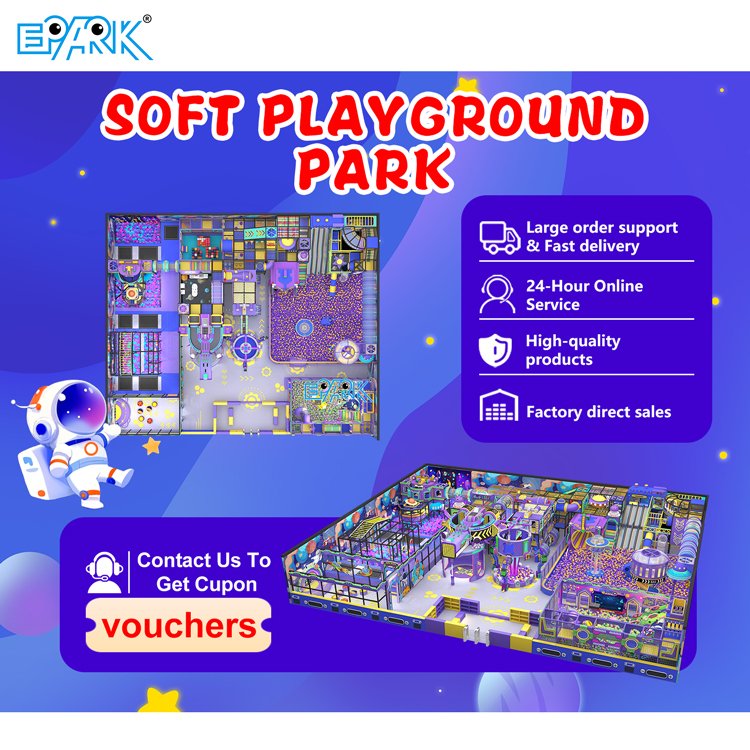
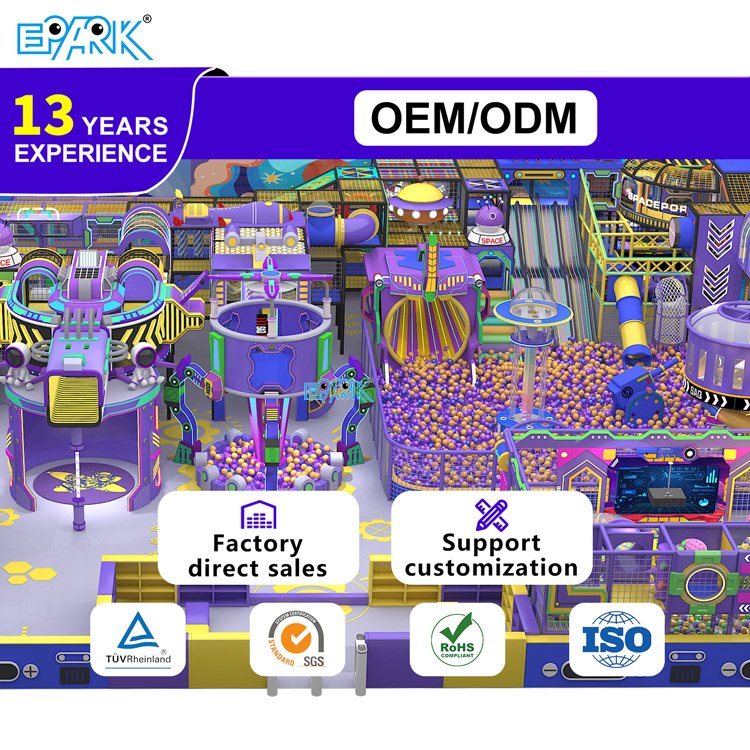
Themed Playgrounds: Immersive designs such as space stations, jungle adventures, or pirate ships.
Adventure & Obstacle Zones: Rope climbing, zip lines, and challenging courses for older children.
Trampoline Parks: Combine fun and fitness for teenagers and children.
Role-Play Zones: Encourage creativity and social skills through pretend play.
Each type can be customized according to your space, budget, and target audience.
Step-by-Step Process for Creating an Indoor Playground
Consultation and Planning
Discuss your vision, available space, and budget with a professional playground manufacturer.
Custom Design
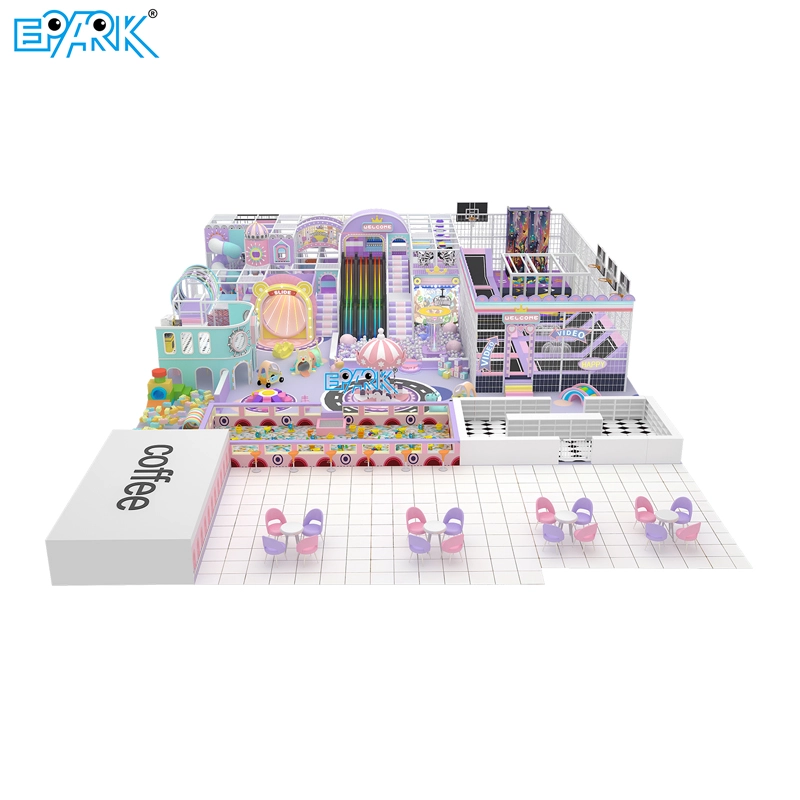
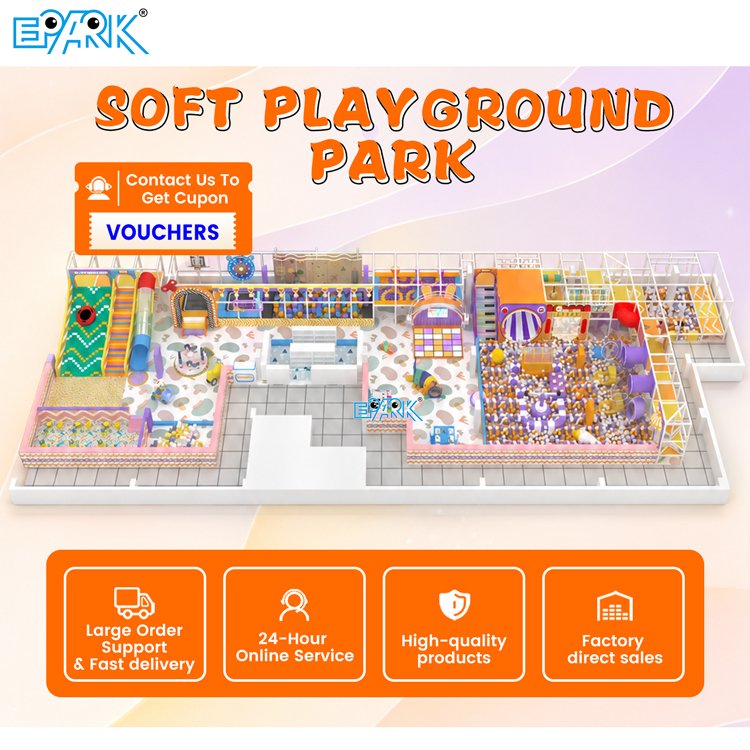
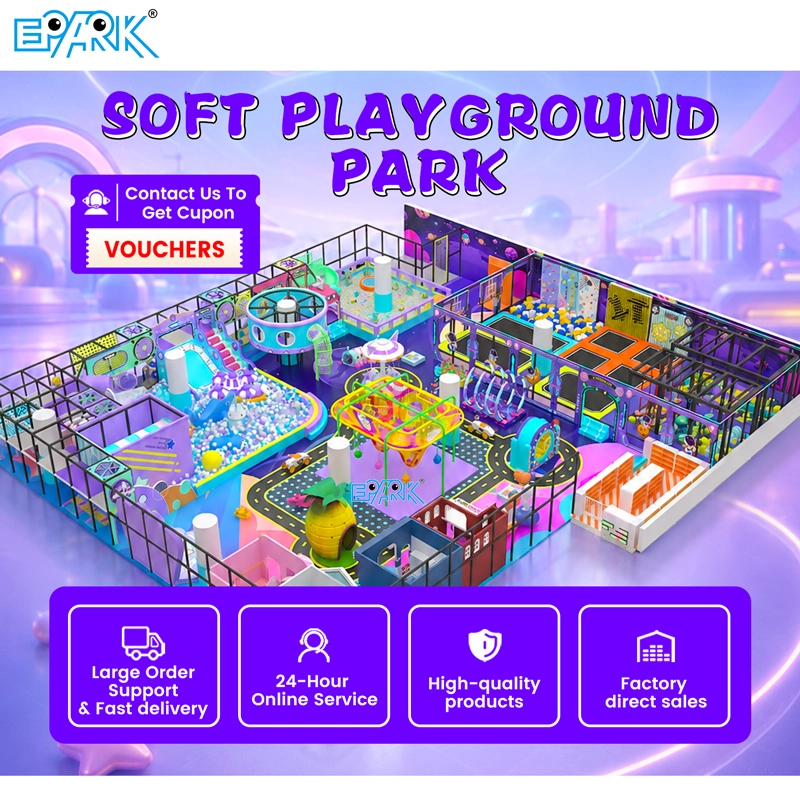
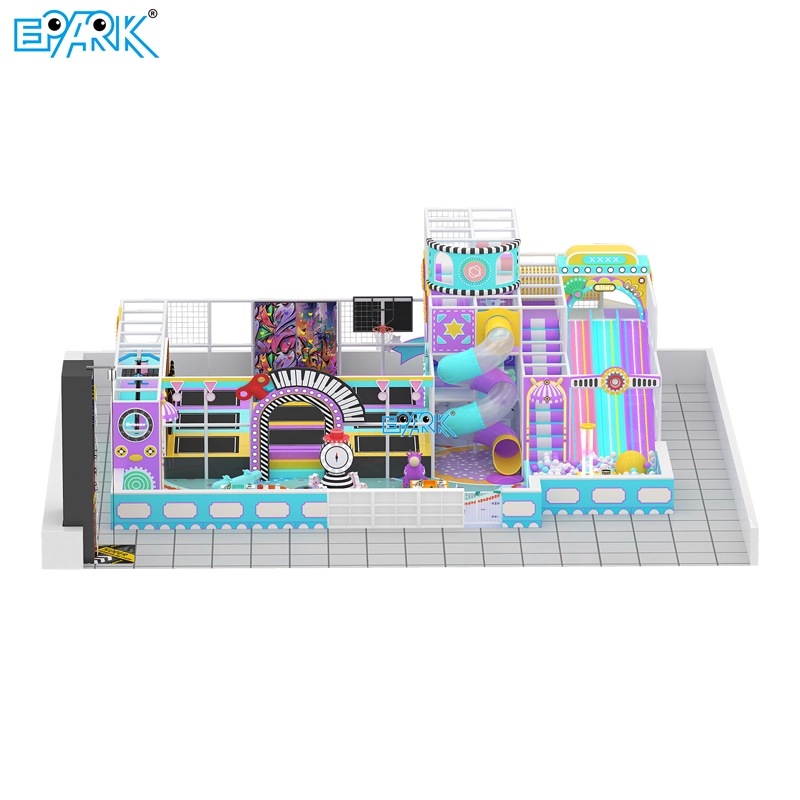
EPARK offers CAD/3D design services, allowing investors to visualize layouts, themes, and equipment placement before production.
Manufacturing and Quality Control
Materials are eco-friendly, durable, and tested to meet CE, ISO, and ASTM standards.
Logistics and Shipping
Efficient worldwide delivery ensures minimal delays and damage.
Professional Installation
Door-to-door assembly guarantees a smooth setup process and operational readiness.
Ongoing Support
Manufacturers provide spare parts, maintenance guidance, and operational support for long-term success.
Cost Considerations
| Playground Size | Estimated Investment |
|---|---|
| Small (50–100 sqm) | $20,000–$50,000 |
| Medium (200–500 sqm) | $80,000–$200,000 |
| Large (1000+ sqm) | $300,000+ |
Additional expenses may include:
Rent and utilities
Staff salaries
Marketing and promotional campaigns
Insurance and safety certifications
Check our blog on playground investment ROI for detailed case studies.
-2.jpg)
Marketing and Growth Strategies
Digital Marketing: Leverage SEO, social media, and video content to attract families.
School Partnerships: Offer group discounts or educational programs.
Birthday Parties and Events: Promote customized packages for recurring revenue.
Loyalty Programs: Encourage repeat visits through memberships or reward cards.
Collaborations: Bundle services with cafés, malls, or fitness centers to expand reach.
Why Choose EPARK Soft Playground Factory
Full-service solution: Planning, design, and installation
Free CAD/3D visualization for better planning
Custom themes and layouts
Door-to-door professional installation
Certified materials for maximum safety
13+ years of experience serving clients in over 100 countries
Conclusion
The indoor playground industry is expanding rapidly, driven by parental demand for safe, engaging, and educational play spaces. With proper planning, a well-designed indoor playground can provide long-term profits while enriching children’s lives.
Partnering with an experienced manufacturer like EPARK Soft Playground Factory ensures access to high-quality equipment, professional design services, and global support. Whether you aim to start a small neighborhood playground or a large-scale entertainment center, indoor playgrounds remain a smart investment choice in 2025.
Get started with your indoor playground project today and turn your vision into reality.