Table of Contents
Ensuring Safety in Your Indoor Playground: A Practical Guide for Managers
Introduction
In recent years, indoor playgrounds have become a popular choice for families seeking fun, engaging, and safe play environments for children. With the rise in demand, managing an indoor playground is not just about bright colors or exciting equipment—it’s about creating a secure space where kids can explore freely.
For operators, prioritizing safety is essential. Not only does it protect children, but it also builds parental confidence, enhances your reputation, and contributes to long-term business success.
Why Safety Should Be Your Top Concern
Children are naturally active and curious. Even minor hazards in an indoor playground can result in injuries. Operators must see safety as a core value, not an afterthought.
Benefits of prioritizing safety:
Encourages parents to trust your facility and return frequently.
Reduces the risk of accidents, liability claims, and negative publicity.
Supports sustainable growth and profitability for your indoor playground business.
Global Standards for Playground Safety
Compliance with recognized safety standards is vital. International benchmarks include:
ASTM F1918 – U.S. standard for soft-contained playground equipment.
EN 1176 & EN 1177 – European standards for playground structures and impact surfaces.
CSA Z614 – Canadian guidelines for safe play environments.
GB/T 27689-2011 – Chinese safety regulations for indoor amusement facilities.
Meeting or exceeding these standards demonstrates professionalism and ensures your indoor playground is legally compliant.
Designing an Indoor Playground with Safety in Mind
A well-designed playground prevents accidents before they happen. Key considerations include:
Age-Specific Zones: Keep toddlers separate from older children to reduce collisions.
Open Sightlines: Design spaces so staff and parents can easily monitor activity.
Impact-Absorbing Flooring: Soft mats, rubber tiles, or foam padding can minimize injuries.
Rounded Corners and Enclosed Structures: Avoid sharp edges and exposed metal parts.
Safe Heights for Equipment: Slides, climbing frames, and platforms must match the age of the users.
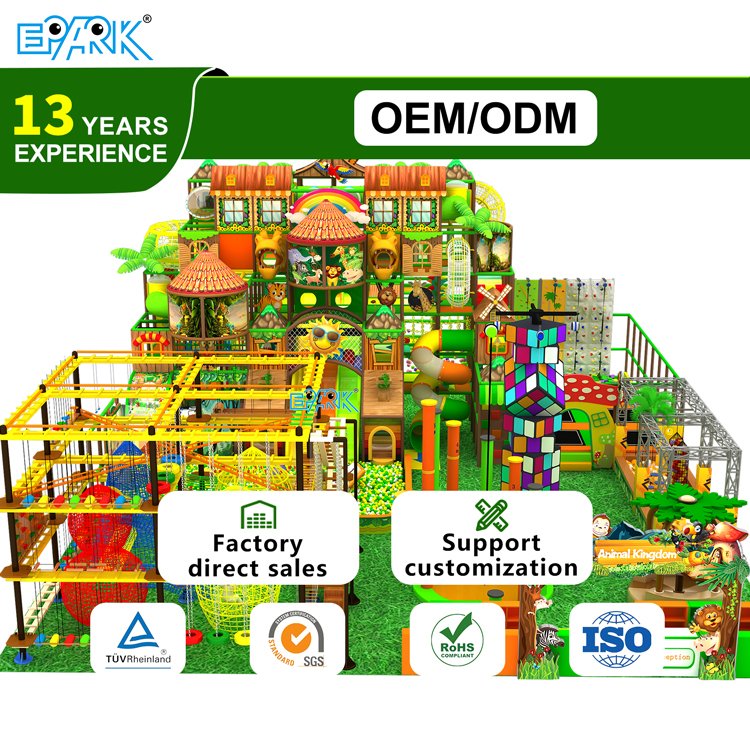
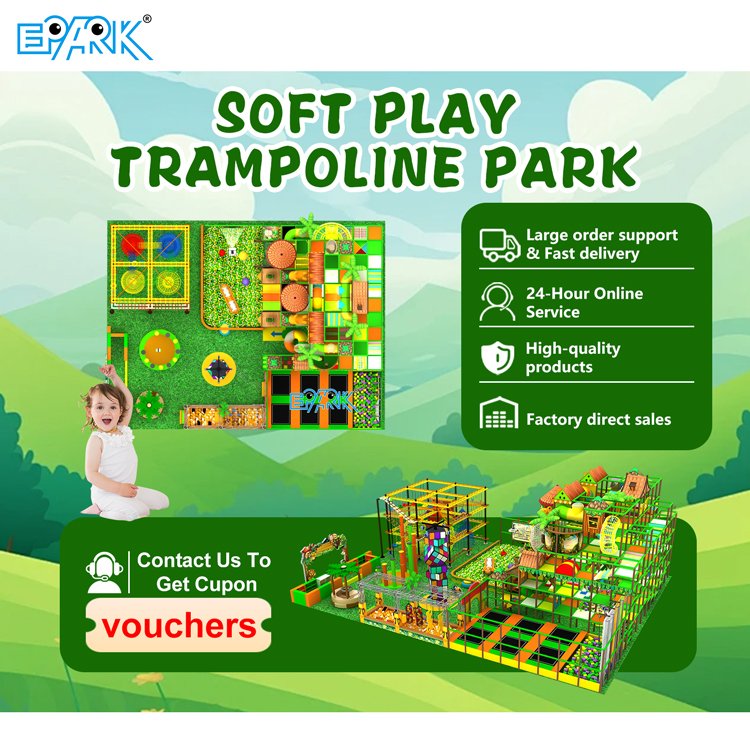
Working with an experienced manufacturer ensures that safety and play value are integrated from the start.
Choosing High-Quality Playground Equipment
Durable, certified equipment is crucial for minimizing accidents. When selecting products, consider:
Materials: Non-toxic, fire-resistant fabrics and sturdy steel or wood frameworks.
Certification: Ensure equipment meets international safety standards.
Regular Inspections: Check for loose bolts, frayed ropes, or torn padding.
Immediate Repairs: Replace or repair any damaged items without delay.
High-quality equipment protects children and reduces long-term maintenance costs.
Staff Training and Emergency Preparedness
Even the safest playground requires trained staff to maintain safety. Essential training includes:
First Aid Skills: Ability to handle minor injuries promptly.
Emergency Evacuation Procedures: Preparation for fire or other emergencies.
Daily Equipment Checks: Routine inspections and immediate reporting.
Behavior Monitoring: Preventing rough play and conflicts among children.
Regular drills ensure your team can respond confidently in critical situations.
Maintaining Hygiene in Indoor Play Areas
Cleanliness is part of safety. Indoor playgrounds are high-traffic spaces where germs can spread quickly. Effective hygiene measures include:
Disinfecting surfaces, slides, and soft play areas daily.
Using child-safe cleaning agents.
Encouraging handwashing or hand sanitization before and after play.
Enforcing a “no shoes” policy in play zones.
Maintaining a clean and sanitary environment reassures parents and protects children’s health.
Weekly Maintenance Checklist
Consistent maintenance helps prevent accidents and extends the life of your indoor playground:
Tighten all screws and fasteners.
Inspect mats, padding, and climbing nets for wear.
Test slides, tunnels, and interactive equipment.
Verify emergency lighting, alarms, and exits.
Record findings in a maintenance log for accountability.
Routine upkeep ensures your indoor playground remains safe, functional, and inviting.
-12.jpg)
Building Parental Trust
Parents are the most important stakeholders. Visible indicators of safety encourage confidence:
Display certification labels for equipment safety.
Show signs that cleaning and sanitation are performed daily.
Provide a feedback system for parents to report concerns.
A trustworthy, transparent approach builds loyalty and generates positive word-of-mouth marketing.
Financial Advantages of Safety
Investing in safety is also a smart business decision:
Prevents costly accidents, lawsuits, and insurance claims.
Attracts more families, increasing bookings and revenue.
Encourages positive online reviews, improving visibility and reputation.
A safe indoor playground is not just responsible—it is profitable.
Partnering with Reliable Suppliers
Choosing the right equipment supplier ensures long-term safety and quality. Trusted manufacturers, like EPARK, provide:
Certified, durable indoor playground equipment.
Professional installation and post-sale maintenance support.
Guidance on safety compliance and operational best practices.
Working with reputable suppliers reduces risk and ensures your playground is both safe and fun.
Conclusion
Safety is the foundation of any successful indoor playground. From equipment quality and staff training to hygiene and maintenance, every aspect contributes to a secure, enjoyable environment for children.
When operators prioritize safety, they not only protect kids but also earn parental trust, strengthen their brand, and ensure long-term profitability. A visually appealing playground attracts families—but a safe indoor playground keeps them coming back.