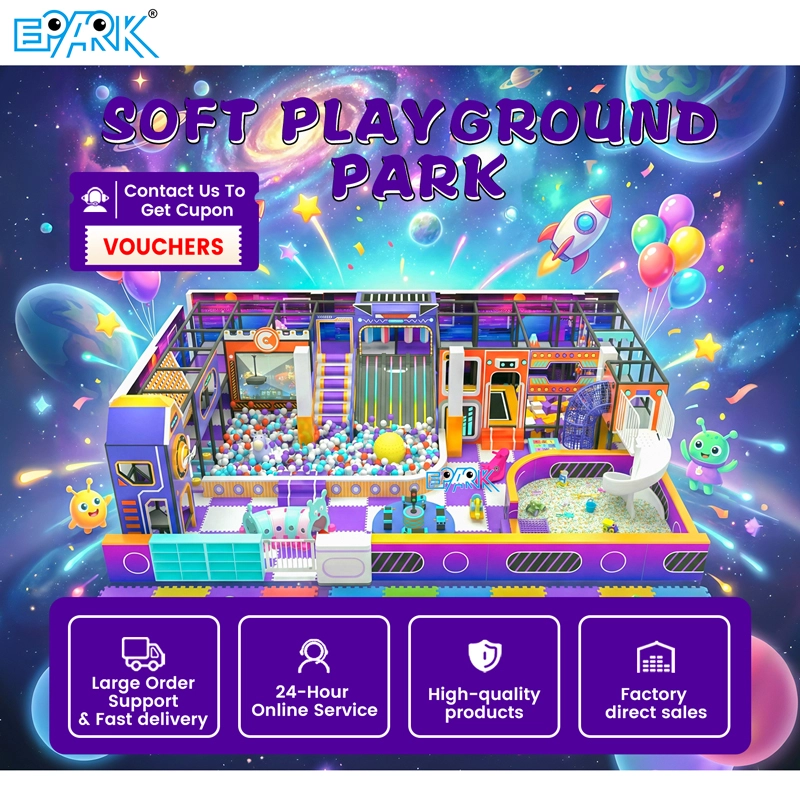
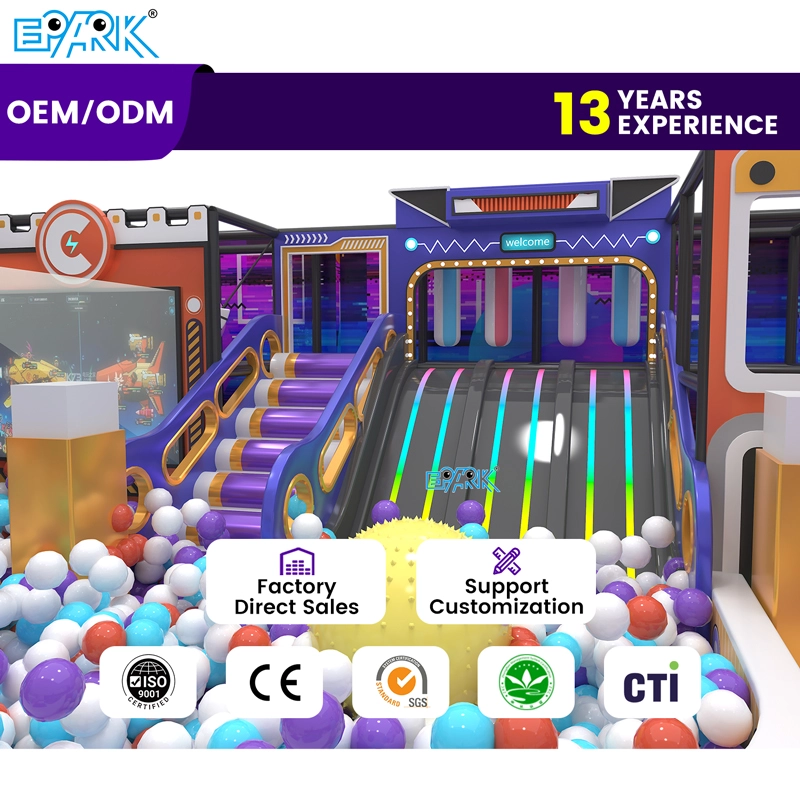
Indoor Playground Manufacturer

Table of Contents

Introduction

Large indoor playgrounds and indoor amusement parks across the United States are becoming essential assets for commercial developers, family entertainment center (FEC) operators, and investors. As consumer behavior shifts toward immersive, weather-independent experiences, indoor entertainment venues provide stable, year-round revenue opportunities and strong customer retention.

For B2B buyers, indoor playgrounds are no longer just children’s attractions—they are strategic anchor tenants for shopping malls, mixed-use developments, and entertainment complexes. This article provides a professional, data-driven overview of major indoor amusement parks in the U.S., compares different indoor playground formats, and explains how to evaluate them from a procurement and investment perspective.

What Are Large Indoor Playgrounds and Indoor Amusement Parks?

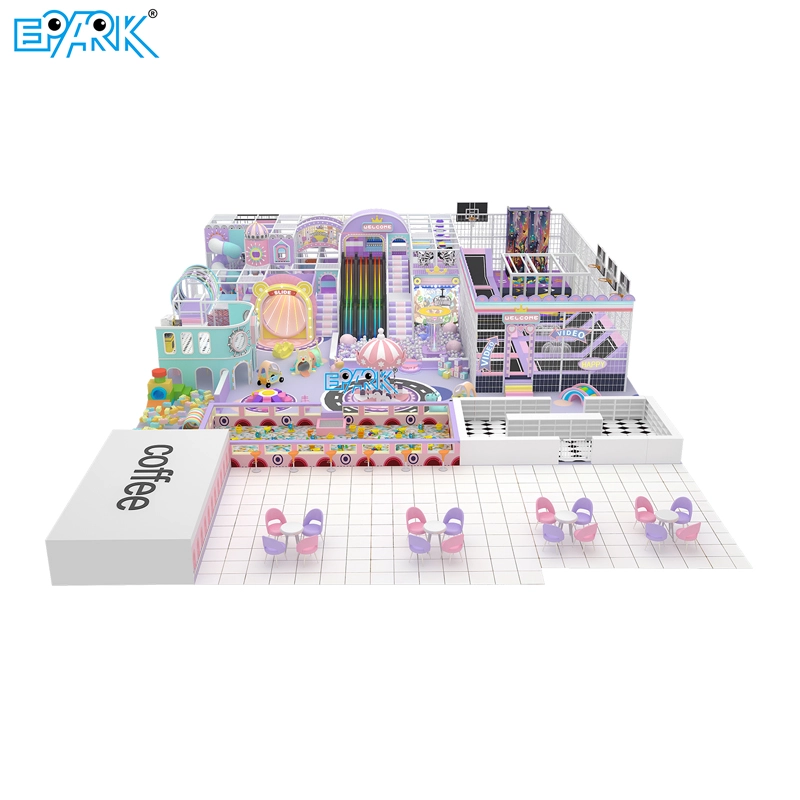
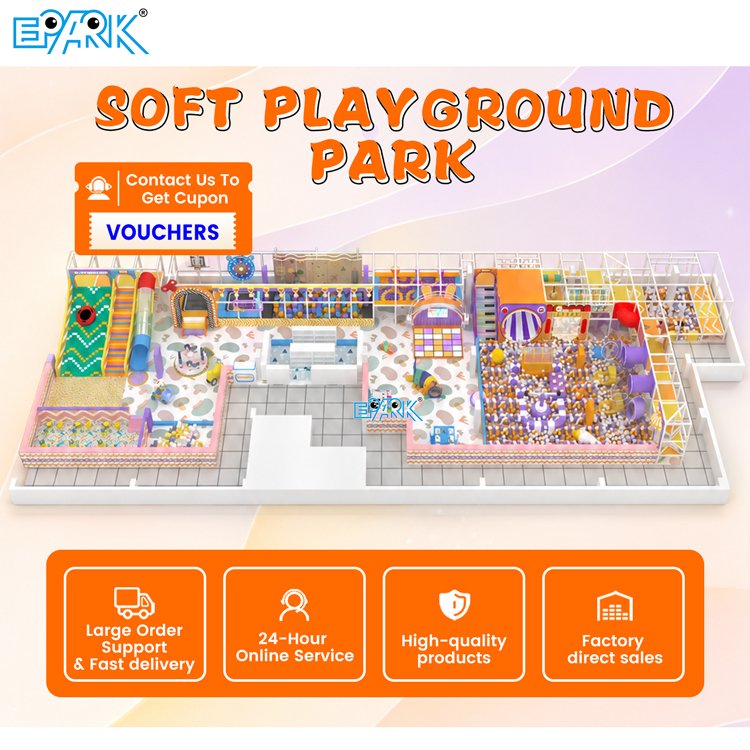
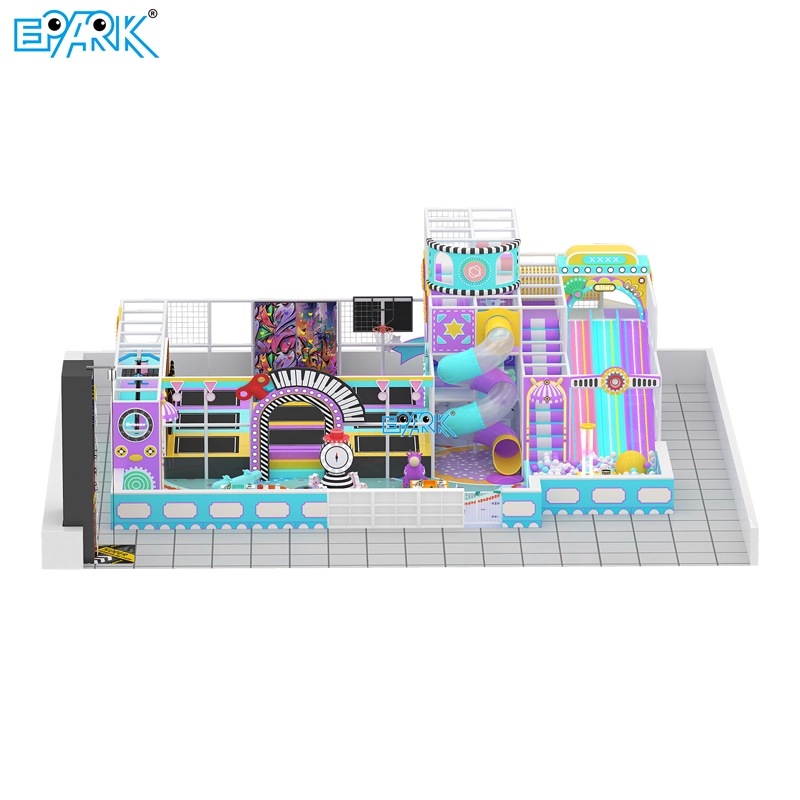
Large indoor playgrounds are commercial indoor entertainment facilities designed to accommodate high visitor volumes in a controlled environment. These venues typically integrate soft play areas, climbing structures, slides, interactive games, and themed attractions, making them suitable for families with children of different age groups.

Indoor amusement parks go a step further by incorporating mechanical rides, branded intellectual property (IP), indoor water attractions, or high-tech experiences such as VR and electric go-karting. From a business standpoint, these facilities maximize space efficiency and offer predictable operational costs compared to outdoor parks.

For developers and procurement teams, indoor playground equipment can be modular and scalable, allowing customization based on venue size, target audience, and budget.
 Related reading: Commercial Indoor Playground Equipment Solutions

Why Indoor Playgrounds Are a Strategic Investment for B2B Buyers

Indoor playgrounds and indoor amusement parks offer several advantages that appeal directly to B2B decision-makers.

First, year-round operation eliminates weather dependency, ensuring consistent foot traffic and stable cash flow. This is particularly valuable in regions with extreme seasonal conditions.

Second, indoor facilities allow for standardized safety compliance, including ASTM and local U.S. building regulations. Fire-retardant materials, impact-absorbing flooring, and enclosed play systems reduce liability risks for operators.

Third, indoor playgrounds increase dwell time and cross-consumption, especially when integrated into malls or entertainment hubs. Parents spend more time onsite, which directly benefits food, retail, and adjacent attractions.

indoor playground manufacturer

Major Large Indoor Amusement Parks in the United States

Nickelodeon Universe – New Jersey

Nickelodeon Universe is one of the largest indoor amusement parks in the United States and a flagship example of IP-driven indoor entertainment. Located inside the American Dream complex, it features over 30 rides themed around globally recognized Nickelodeon characters.

The park serves a wide demographic, from young children to adults, by offering family rides, thrill rides, and interactive attractions. Its tiered ticket pricing system allows operators to balance peak demand and visitor flow.

From a B2B perspective, Nickelodeon Universe demonstrates how branded indoor playgrounds can significantly enhance visitor trust and regional tourism appeal.

DreamWorks Water Park – New Jersey

DreamWorks Water Park represents the premium segment of indoor amusement parks. As the largest indoor water park in North America, it integrates advanced HVAC, humidity control, and water filtration systems.

The facility includes wave pools, large slides, and dedicated children’s play zones, making it suitable for families with children aged four and above. While capital expenditure is high, indoor water parks often generate strong per-capita spending due to premium ticket pricing.

This model is particularly attractive for destination-based developments and large-scale entertainment investors.

Andretti Indoor Karting & Games – Nationwide

Andretti Indoor Karting & Games operates multiple indoor amusement centers across the U.S., combining electric karting, arcade games, VR, and food services. Unlike traditional indoor playgrounds, these venues target teens, adults, and corporate groups.

The business model focuses on high-margin attractions and longer dwell times. Electric karting systems are energy-efficient and require less maintenance than traditional fuel-based alternatives.

For developers, Andretti’s concept highlights how indoor amusement parks can diversify beyond children’s play and attract higher-spending audiences.

Slick City Action Park – Indoor Slide Parks

Slick City Action Park is a fast-growing franchise specializing in large indoor slide parks. These facilities emphasize physical activity while maintaining relatively low operational complexity.

Slide parks require less mechanical infrastructure than ride-based amusement parks, reducing maintenance costs and downtime. They are particularly suitable for mid-sized cities and suburban markets.

For investors, franchise indoor playground models offer scalability, standardized layouts, and predictable returns.

Regional Indoor Playgrounds and Family Entertainment Centers

In addition to large destination parks, regional indoor playgrounds play a critical role in local family entertainment markets. Chains such as Kids Empire, Catch Air, and Star Park Indoor Playground focus on soft play, climbing structures, and toddler-friendly zones.

These indoor play centers usually operate with hourly or all-day passes, making them accessible to a broad customer base. From a procurement standpoint, they represent a strong demand for modular indoor playground equipment and repeatable design solutions.

Recommended article: How to Start an Indoor Playground Business

indoor playground manufacturer

Comparison of Indoor Playground and Amusement Park Formats

Facility TypeTypical SizeTarget Age GroupInvestment LevelOperational Complexity
Soft Play Indoor Playground500–3,000 sqm1–10 yearsLow–MediumLow
Indoor Theme Park10,000+ sqmAll agesVery HighHigh
Indoor Water Park8,000+ sqm4+ yearsVery HighVery High
Indoor Karting Center4,000–8,000 sqm7+ yearsHighMedium
Indoor Slide Park2,000–5,000 sqm5+ yearsMediumLow

This comparison helps B2B buyers align investment goals with suitable indoor amusement formats.

Safety Standards and Compliance for Indoor Playgrounds

Safety is a non-negotiable factor in indoor playground projects. Most commercial indoor playgrounds in the U.S. follow ASTM F1918 standards for soft play systems, along with local fire and building codes.

Key safety considerations include impact-absorbing flooring, enclosed climbing structures, anti-slip surfaces, and fire-retardant materials. Choosing certified manufacturers and experienced installers significantly reduces long-term operational risks.

Further reading: Indoor Playground Safety Standards Explained

Conclusion

Large indoor playgrounds and indoor amusement parks across the United States offer scalable, weather-resistant, and highly profitable entertainment solutions. Whether investing in a branded theme park, a regional indoor play center, or a hybrid amusement concept, B2B buyers must evaluate format suitability, safety compliance, and long-term operational efficiency.

With the right strategy and equipment partner, indoor playground projects can deliver strong returns while meeting the evolving expectations of modern families.

Call to Action

Planning a large indoor playground or indoor amusement park project?
Contact us today for professional consultation, custom indoor playground equipment solutions, and end-to-end support for your U.S. market projects.
Get a free layout proposal and budget estimate now.

Need an Instant Quote for Your Indoor Playground Projects?

You may also find these topics interesting

Ask for Quote Now