Introduction
Over the past decade, the indoor playground industry has experienced rapid growth worldwide. Shopping malls, family entertainment centers (FECs), and community recreation venues are increasingly investing in indoor play facilities to attract families and increase customer traffic.
For commercial investors, distributors, and entertainment venue operators, understanding why indoor playgrounds are becoming so popular is essential before starting a project. Today’s parents are actively searching for safe and engaging environments where children can play, learn, and socialize.
At the same time, indoor play areas provide a stable and profitable business model because they operate year-round and generate multiple revenue streams. This article explores the key factors driving the popularity of indoor playgrounds and offers practical insights for buyers planning to invest in playground equipment.
If you are new to the industry, you may also want to read our guide:
Internal Link: How to Start an Indoor Playground Business
What Is an Indoor Playground?
Definition and Key Features
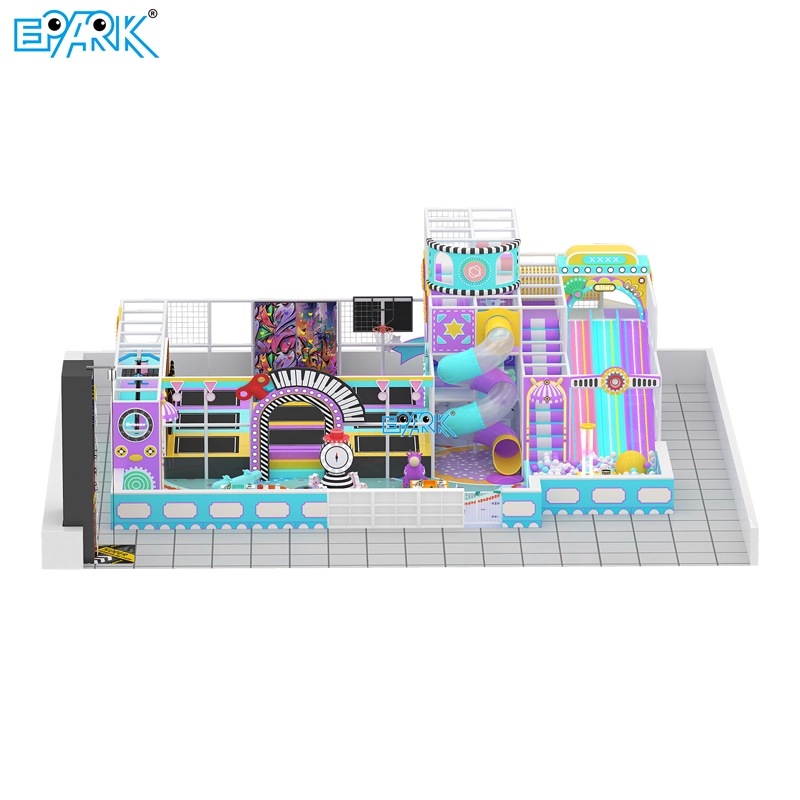
An indoor playground is a structured play environment designed for children within a controlled indoor space. Unlike traditional outdoor playgrounds, these play areas use modular soft play systems, protective padding, and durable materials to ensure safety and long-term commercial use.
Most indoor play centers include several integrated attractions, such as:
Multi-level soft play structures
Ball pits and foam zones
Slides and climbing obstacles
Rope courses and tunnels
Interactive play panels
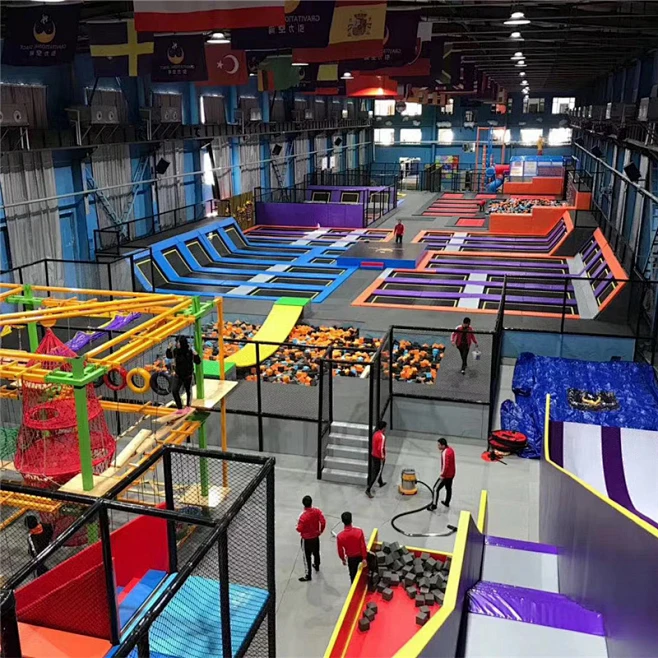
Trampoline areas
These systems are typically built with galvanized steel frames, high-density foam padding, and PVC-coated materials, ensuring durability and safety for daily use.
Modern playground designs are not only entertaining but also support children’s physical development, balance, coordination, and social interaction.
For more information about equipment types, see:
Internal Link: How Much Does It Cost to Build a Commercial Indoor Playground
Where Indoor Playgrounds Are Commonly Installed
Indoor playgrounds can be installed in a wide variety of commercial environments. Because they attract families, they significantly increase visitor dwell time and customer engagement.
Common locations include:
Shopping malls
Family entertainment centers (FEC)
Children’s activity centers
Indoor theme parks
Restaurants with kids’ play areas
Community recreation facilities
Retail industry reports show that family attractions can increase average mall dwell time by 20–40%, which directly boosts surrounding retail sales.
Indoor playground projects are also highly scalable. Small play areas may occupy 100–200 square meters, while large entertainment venues can exceed 2000 square meters with multiple play zones.
Why Indoor Playgrounds Are Becoming So Popular
Growing Demand for Family Entertainment
Consumer behavior has shifted significantly toward experience-based entertainment. Instead of passive activities such as watching TV, families now prefer interactive environments where children can stay active and engaged.
Indoor playgrounds provide several benefits for families:
Safe physical exercise
Social interaction with other children
Creative and imaginative play
Educational development
Because they cater mainly to children aged 2–12 years, indoor playgrounds meet the needs of families with younger kids who require safe and supervised play environments.
This demand has made indoor playgrounds a core attraction in many family entertainment centers around the world.
Weather-Independent Entertainment
One of the biggest advantages of an indoor playground is that it operates independently of weather conditions. Outdoor play areas are often limited by rain, extreme temperatures, or seasonal changes.
Indoor facilities provide several operational advantages:
| Benefit | Impact on Business |
|---|---|
| Year-round operation | Stable revenue |
| Climate-controlled space | Comfortable customer experience |
| Consistent visitor flow | Predictable business performance |
| Lower weather damage | Reduced maintenance costs |
For investors, this means a more reliable and sustainable business model compared with seasonal outdoor attractions.
High Profit Potential
Indoor playground businesses typically generate revenue from multiple sources, making them a highly flexible entertainment investment.
Common revenue streams include:
Admission tickets
Membership packages
Birthday parties and events
Food and beverage sales
Arcade machines and redemption games
Merchandise sales
Below is a simplified revenue distribution example:
| Revenue Source | Estimated Share |
|---|---|
| Entry tickets | 40–50% |
| Birthday parties | 20–30% |
| Food & beverage | 10–15% |
| Arcade machines | 5–10% |
| Merchandise | 3–5% |
Many operators combine soft play areas with arcade games to create a complete family entertainment center that maximizes revenue per visitor.
Improved Safety Standards
Safety plays a crucial role in the success of any children’s play center. Over the years, indoor playground manufacturers have significantly improved product safety through better materials and stricter compliance standards.
Common international safety standards include:
| Safety Standard | Region |
|---|---|
| ASTM F1918 | United States |
| EN 1176 | European Union |
| ISO 9001 | Global quality management |
| EN 71 | Toy safety |
Modern playground equipment also includes:
Soft protective padding
Anti-slip climbing surfaces
Enclosed structures
Impact-absorbing flooring
These improvements have helped build parental trust, making indoor playgrounds one of the safest recreational options for children.
Flexible Design and Custom Themes
Another reason for the rapid growth of indoor playground projects is their high level of customization. Unlike many amusement rides, playground systems can be designed according to the venue size, budget, and target audience.
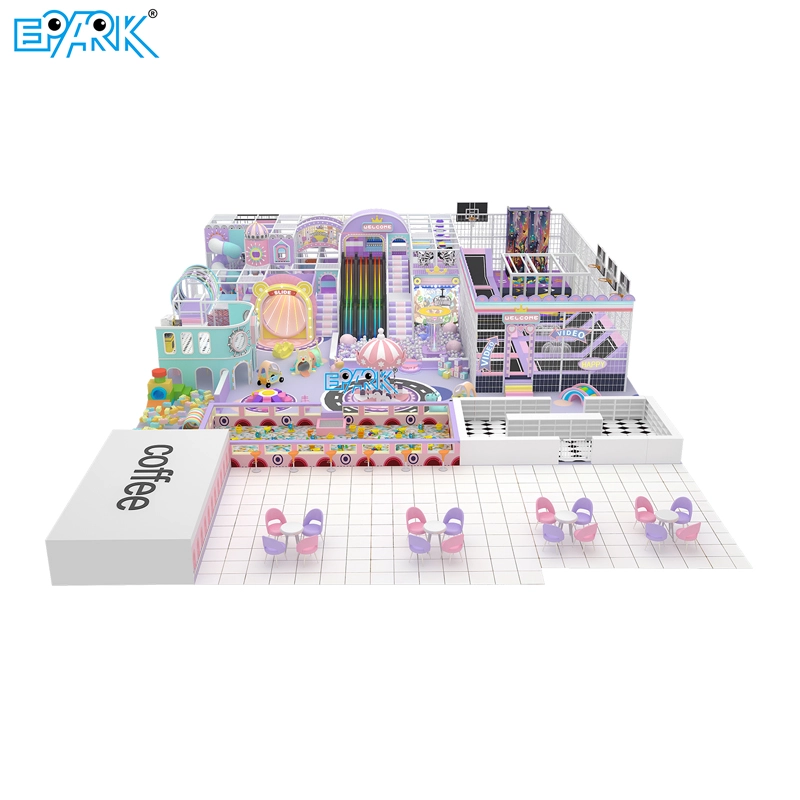
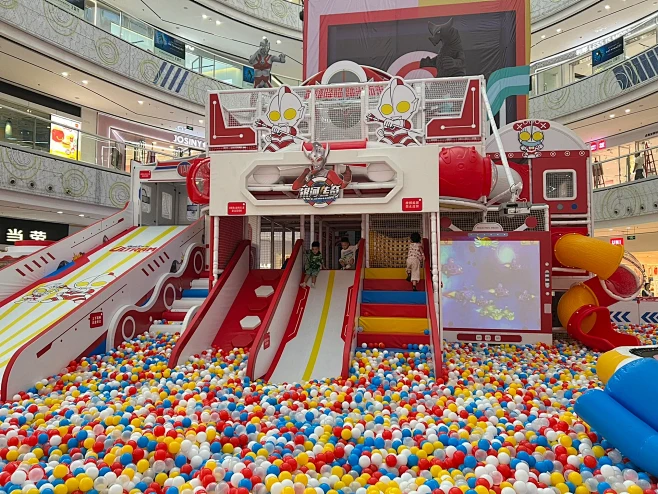
Popular themed playground concepts include:
Themed environments create immersive experiences that make play centers more memorable and shareable on social media.
Additionally, modular playground systems allow designers to efficiently use irregular spaces within malls or commercial buildings.
Indoor Playground vs Other Family Entertainment Options
Indoor Playground vs Trampoline Park
Both attractions are popular in family entertainment venues, but they differ in investment requirements and target audiences.
| Feature | Indoor Playground | Trampoline Park |
|---|---|---|
| Target Age | 2–12 years | 6–25 years |
| Safety Risk | Low | Medium |
| Investment Cost | Medium | High |
| Space Requirement | Flexible | Large area required |
Trampoline parks typically require specialized flooring systems and higher safety supervision. In contrast, indoor playgrounds are easier to install and operate.
Indoor Playground vs Arcade Centers
Arcade centers focus mainly on electronic gaming, while indoor playgrounds emphasize physical activity and interactive play.
Many successful venues combine both attractions to create a hybrid family entertainment center.
Typical FEC layout:
Indoor playground zone
Arcade machine area
Redemption prize counter
Birthday party rooms
Café or snack bar
This combination increases both visitor retention and overall revenue.