Table of Contents
How to Set Up a Safe and Engaging Indoor Playground for Kids (Professional Guide)
Creating a well-planned indoor playground requires more than simply selecting fun equipment. A high-quality play space must balance safety, functionality, age suitability, and operational efficiency. This guide provides a structured, professional approach based on industry standards, practical experience, and child-development principles to help you design a durable, safe, and commercially valuable indoor playground.
Assess the Available Space
Before selecting any equipment, thoroughly assess the physical environment. Measure the total usable square meters and evaluate ceiling height, which affects whether you can install climbing frames, slides, or multi-level play structures. Inspect the area for potential hazards, including pillars, corners, and electrical outlets. Ensure the flooring surface can support shock-absorbing materials such as EVA foam tiles or EN1177-certified safety flooring. A clear site assessment helps avoid design mistakes and ensures compliance with safety guidelines.
Determine Your Budget and Cost Breakdown
Your budget should reflect both upfront equipment costs and long-term operating expenses. Indoor playground investments typically range from USD 5,000–200,000+, depending on size, theme, and structure complexity. Allocate funds for equipment, flooring, installation, and future maintenance.
| Category | Typical Range | Notes |
|---|---|---|
| Soft Play Zone | $3,000–$15,000 | Suitable for toddlers |
| Medium Climbing Structure | $10,000–$50,000 | Requires safety certification |
| Large Multi-Level Playground | $30,000–$150,000 | Popular in commercial centers |
| Flooring | $8–$25/m² | Choose certified impact-absorbing materials |
A clear budget helps you plan long-term and avoid overspending.
Identify the Target Age Group
Different age groups have distinct safety requirements and play behaviors. Toddlers (1–3 years) require soft play materials, enclosed areas, and low climbing structures. Children aged 4–7 need balance beams, low slides, and simple interactive panels that support early motor development. Kids aged 8–12 prefer more dynamic play experiences such as rope nets, trampolines, or obstacle challenges. Defining your target age range ensures equipment selection follows appropriate industry standards such as ASTM F1918 and EN1176.


Select High-Quality Play Equipment
Choose equipment that combines entertainment value with certified safety. A diversified indoor playground commonly includes climbing walls, slides, ball pits, adventure bridges, soft blocks, and sensory activity panels. Verify that the materials are non-toxic, fire-retardant, and compliant with international safety regulations. When possible, request supplier certificates, load-capacity data, and product testing reports. Selecting durable and safe equipment significantly reduces long-term maintenance costs.
Plan a Functional and Safe Layout
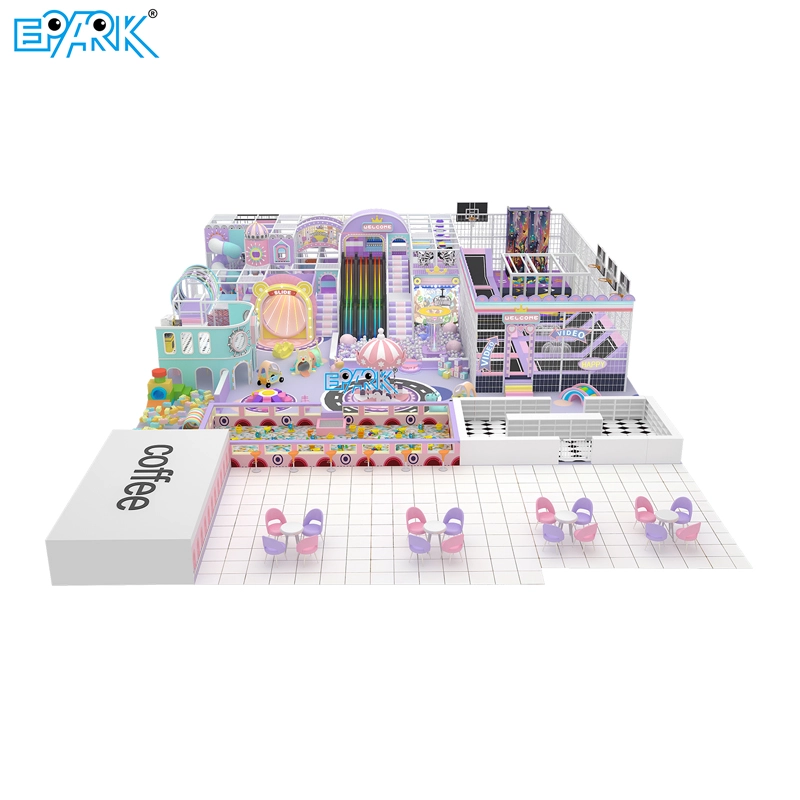
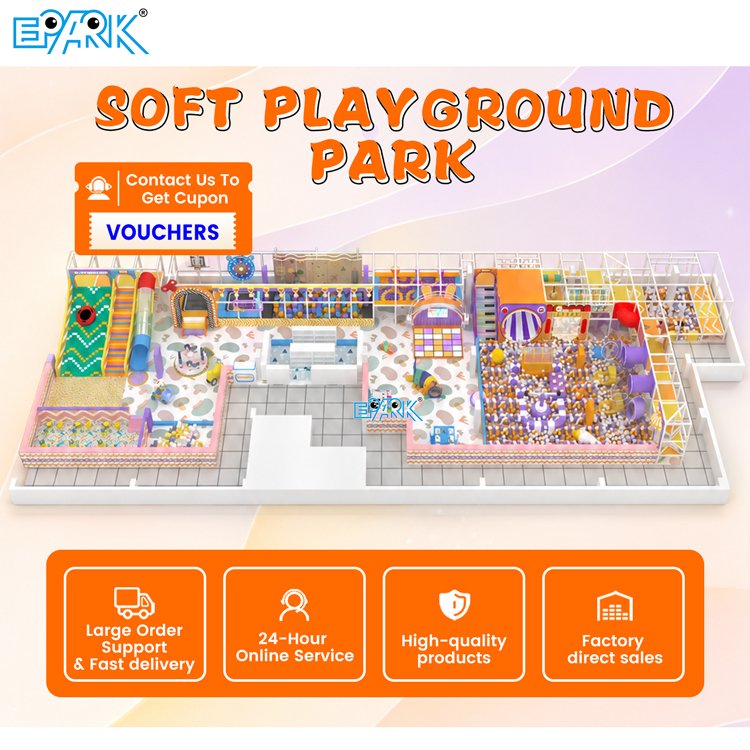
A professional indoor playground layout balances free movement, functional zoning, and crowd flow. Divide the area into separate sections—active play, toddler play, quiet zones, and parent waiting areas—to prevent collisions and overcrowding. Ensure each activity zone has adequate buffer space and clear pedestrian pathways. Proper layout planning increases operational safety, improves supervision efficiency, and enhances overall user experience.
Implement Core Safety Features
Safety is the foundation of any indoor playground. Install EN1177-certified impact-absorbing flooring, corner protectors, and anti-collision padding on all rigid structures. Ensure high-traffic areas such as slides, ball pits, and entrances are equipped with additional safety mats. Conduct daily inspections to check for loose connectors, damaged nets, or worn-out padding. A strong safety system increases parents’ trust and reduces liability risks.
Add Interactive and Development-Focused Elements
Interactive play equipment enhances engagement and supports cognitive development. Consider adding sensory walls, digital reaction games, motion-based panels, trampoline zones, or soft obstacle courses. These features encourage balance, coordination, and problem-solving skills. Modern playgrounds increasingly incorporate STEM-based interactive systems, which improve educational value while keeping children entertained.
Maintain Clear Visibility for Adult Supervision
Ensure the layout allows caregivers to observe all areas without hidden corners. Transparent mesh, open-frame structures, and strategically positioned seating areas improve visibility. For commercial facilities, CCTV cameras can reinforce monitoring and prevent accidents. Good visibility contributes significantly to safety and parental satisfaction.
Decorate with a Cohesive Theme
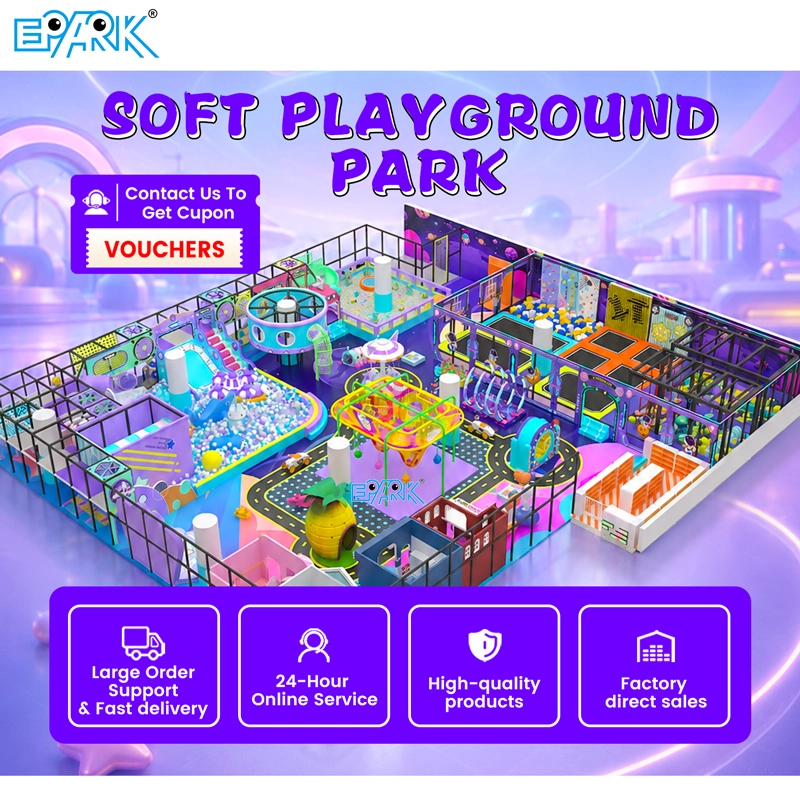
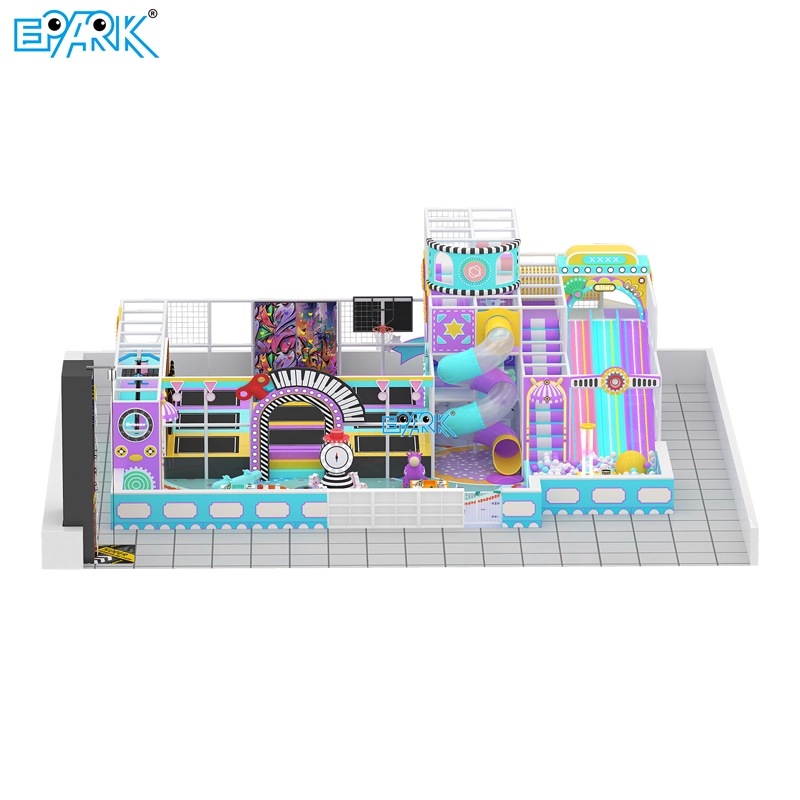
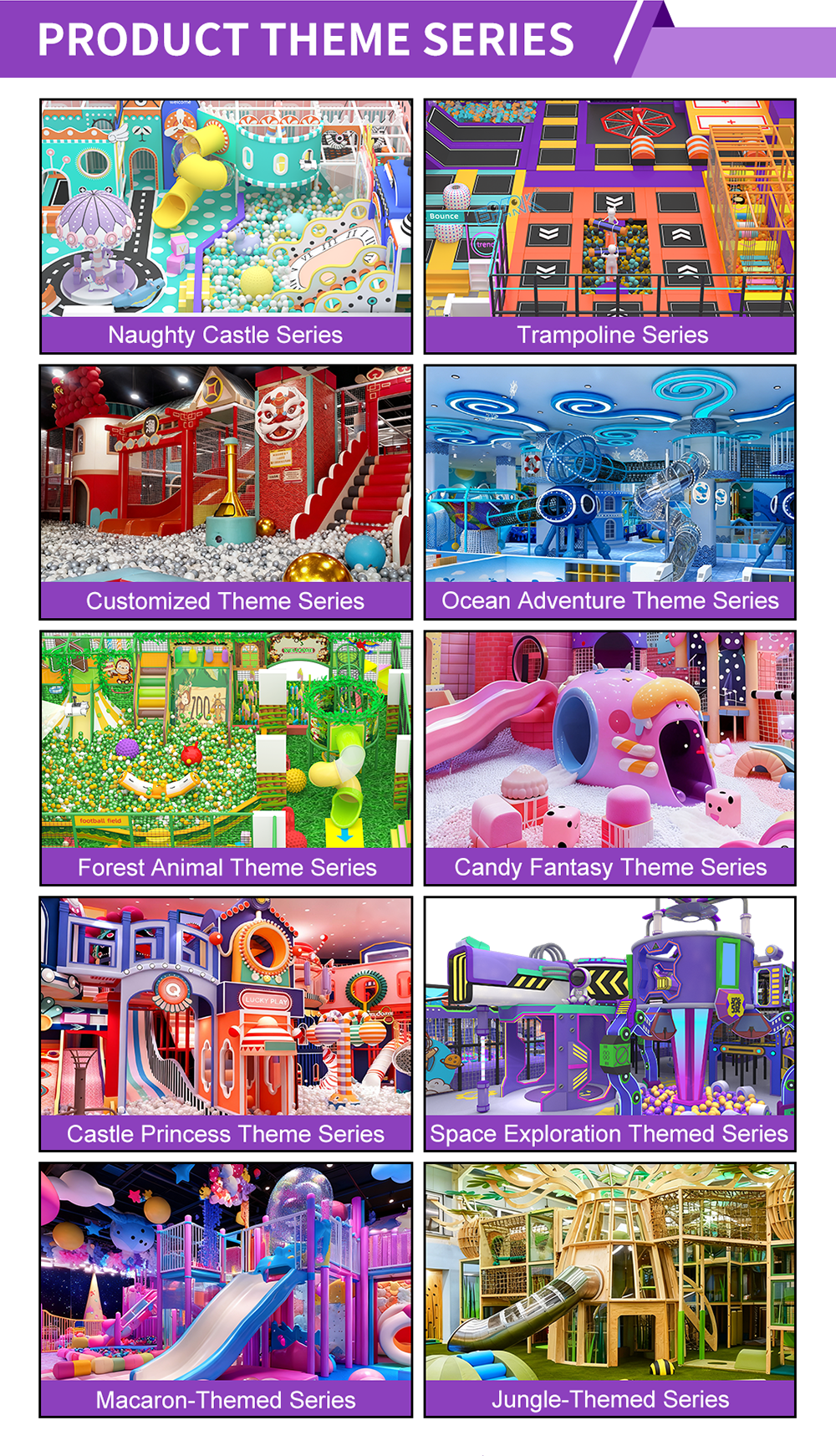
A well-designed theme increases visual appeal and enhances brand identity. Popular themes include jungle, ocean, candy world, space exploration, and sports adventure. Use durable, child-safe materials for wall graphics, lighting, and theme decorations. A consistent theme helps differentiate your playground and enriches the user experience.
Plan for Long-Term Maintenance
Indoor playgrounds require consistent maintenance to ensure safety and longevity. Establish a schedule for daily cleaning, weekly equipment checks, and monthly deep inspections. Choose equipment with removable covers and washable materials to reduce hygiene risks. Document maintenance routines to comply with safety standards and build trust with parents.
Collect Feedback for Continuous Improvement
After opening, gather feedback from children, parents, and staff to identify improvement opportunities. Analyze patterns such as overcrowded zones, unpopular equipment, or safety concerns. Adjust the layout or replace low-performing elements to optimize user experience. Continuous refinement helps maintain competitiveness and customer satisfaction.
Stay Flexible and Adapt to Usage Patterns
Children’s interests and safety requirements change over time. Be prepared to rotate equipment, introduce new interactive elements, or expand zones as your facility grows. A flexible approach ensures the playground stays engaging, safe, and profitable in the long term.