Introduction
Opening a play center or indoor playground can be an exciting business opportunity, promising strong returns in the growing family entertainment industry. However, many B2B buyers focus heavily on visible costs such as playground equipment, installation, or rent, while overlooking hidden expenses that can affect profitability.
Ignoring these costs can lead to cash flow problems, operational inefficiencies, and reduced ROI. Understanding both direct and indirect costs is critical for operators, distributors, and B2B buyers planning a successful indoor playground project.
By identifying potential financial pitfalls early, you can ensure your play center operates efficiently, attracts families consistently, and maximizes long-term profitability.
Understanding the True Cost of a Play Center
Direct vs. Indirect Costs
When planning an indoor playground, expenses fall into two main categories:
- Direct Costs: Easily identifiable upfront expenses like playground equipment, installation, interior design, and lease or rent. For a 500 m² modular indoor playground, direct costs typically range from $80,000 to $150,000 depending on complexity and materials.
- Indirect Costs: Often overlooked but essential for realistic budgeting. These include employee training, utilities, insurance, and marketing. Neglecting indirect costs can create unexpected budget overruns.
| Cost Type | Examples | Typical % of Total Budget |
|---|---|---|
| Direct Costs | Equipment, installation, rent | 60-70% |
| Indirect Costs | Staffing, utilities, insurance, marketing | 30-40% |
Understanding this distinction helps operators allocate resources effectively and plan a realistic play center budget.
Commonly Overlooked Expenses
Several hidden costs are frequently underestimated by new operators:
- Licensing & Safety Certifications – Compliance with local safety regulations is mandatory. Play centers may require certification for materials, fire safety, and sanitation. Costs vary by region and can range from $1,500 to $10,000 depending on facility size.
- Utilities & Operational Overhead – Energy costs for lighting, HVAC, and equipment can represent 5-10% of monthly operating expenses.
- Unexpected Repairs or Replacements – High-traffic areas experience wear and tear, requiring ongoing maintenance. A contingency of 5-10% of equipment costs is recommended.
Pro Tip: Allocate a separate budget line for maintenance and unexpected repairs to avoid operational disruptions.
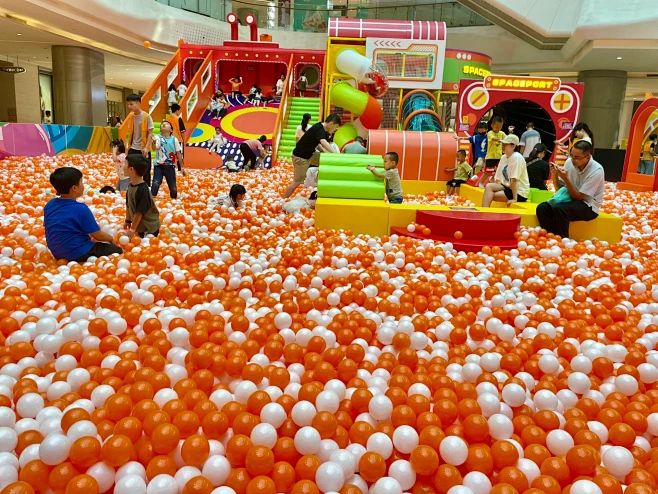 Hidden Costs Explained
Design and Layout Mistakes
Poor play center design leads to costly renovations. Inefficient use of space may require additional construction or equipment rearrangement, increasing project costs by 10-20%.
Using detailed 3D layout plans and consulting experienced designers ensures optimal space utilization and safe traffic flow.
Safety & Compliance Costs
Regulatory compliance is critical. International safety standards to consider include:
- ASTM F1918 (U.S. Indoor Play Equipment Standard)
- EN 1176 (European Playground Safety Standard)
- Local fire and sanitation regulations
Failing to comply can result in fines, insurance disputes, or liability claims. Regular safety inspections and compliance audits should be integrated into your operational budget.
Staffing and Training Pitfalls
Staffing is a hidden cost that directly impacts safety and customer experience. Properly trained employees reduce accidents, improve service, and maintain equipment. Training should include:
- Equipment operation procedures
- Emergency response and first aid
- Customer service best practices
High staff turnover increases recruitment and training expenses. Implementing retention programs ensures consistent service quality.
Marketing and Customer Acquisition
Opening a play center does not guarantee immediate foot traffic. Strategic marketing is essential for attracting and retaining visitors. Consider:
- Local digital marketing campaigns
- Social media engagement
- Birthday party and event promotions
Without a dedicated marketing plan, occupancy rates may fall below projections, impacting revenue.
Seasonal & Miscellaneous Expenses
Play centers often experience seasonal traffic fluctuations. During off-peak months, utilities, staff salaries, and maintenance continue regardless of revenue. Miscellaneous costs like equipment updates or insurance premium increases should also be factored in.
How to Avoid Hidden Costs
Detailed Budget Planning
Comprehensive budgeting is the first step to mitigating hidden expenses. Include both direct and indirect costs, and allocate a contingency fund (10-15% of total costs) for unforeseen issues.
Sample budget for a 500 m² indoor playground:
| Expense Category | Estimated Cost ($) |
|---|---|
| Equipment & Installation | 100,000 |
| Design & Layout | 15,000 |
| Safety Certifications | 5,000 |
| Staffing & Training | 20,000 |
| Marketing | 10,000 |
| Utilities & Maintenance | 8,000 |
| Contingency Fund | 15,000 |
| Total | 173,000 |
Choosing the Right Equipment & Supplier
Investing in high-quality, durable equipment minimizes long-term maintenance costs. Select suppliers who provide warranties, installation guidance, and maintenance support. Learn more in our How Many Square Meters Does Your Indoor Playground Need?
Efficient Layout and Design
A well-planned layout ensures safety, maximizes space, and reduces renovation costs. Key design considerations include:
- Zoning areas for different age groups
- Clear sightlines for staff supervision
- Smooth traffic flow to prevent overcrowding
Proactive Staff Training
Structured staff training reduces accidents, lowers repair costs, and enhances customer experience. Consider scheduling regular refresher courses and implementing safety drills.
Strategic Marketing & Community Engagement
Effective marketing ensures consistent visitor traffic. Successful strategies include:
- Digital advertising targeting local families
- Hosting community events or birthday parties
- Loyalty programs to encourage repeat visits
These initiatives improve occupancy and revenue while making marketing budgets more efficient.
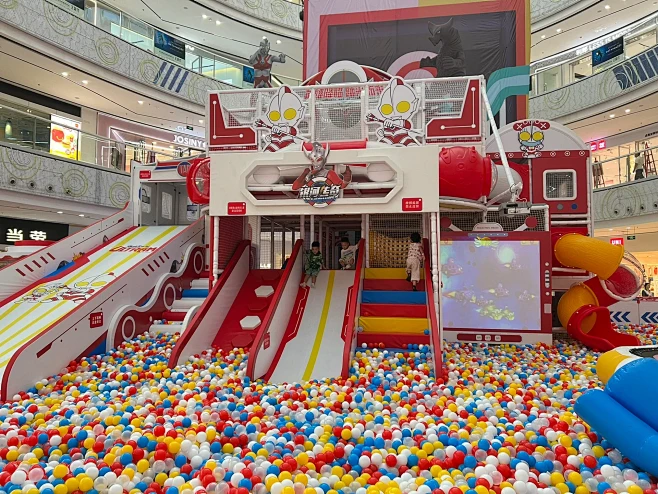 Case Studies / Real-World Examples
Example 1: Undercapitalized Launch
A 400 m² indoor playground in Europe underestimated utility and staff training costs. Unexpected repairs and seasonal traffic fluctuations caused a 20% revenue shortfall in the first year. Revising the budget and increasing the contingency fund stabilized profitability in year two.
Example 2: Strategic Planning Pays Off
A 600 m² facility in Asia invested in premium equipment and detailed layout planning. Initial costs were higher, but operational efficiency and reduced maintenance increased ROI by 15% in the first 12 months.
Key Lessons:
- Early investment in planning and quality resources reduces hidden costs.
- Ongoing staff training and strategic marketing are essential for sustained profitability.
Conclusion
Opening a play center or indoor playground involves more than purchasing equipment and renting a facility. Hidden costs—such as compliance, staff training, marketing, maintenance, and seasonal fluctuations—can impact your bottom line if not planned for.
By implementing proactive strategies like detailed budgeting, high-quality equipment selection, efficient layout planning, staff training, and strategic marketing, operators can reduce risks and maximize ROI. A well-planned indoor playground is not only safer and more enjoyable for children but also a sustainable, profitable business for investors and B2B buyers.
Call to Action
Ready to open your play center without hidden surprises? Contact us today for a detailed cost estimate, expert design consultation, and a free hidden cost checklist. Start planning your indoor playground for long-term profitability now!
For additional guidance, explore our related blogs: