Introduction
The global indoor playground industry is expanding rapidly, driven by increasing demand for safe, weather-independent entertainment spaces. For investors, distributors, and family entertainment center (FEC) operators, entering this market offers strong growth potential. However, one of the most critical decisions is choosing the right size for your project.
Whether you are planning a compact indoor playground or a large-scale commercial indoor play area, the size you choose will directly impact your investment, equipment configuration, and long-term profitability. Many buyers ask the same question: Should I start small or go big?
In this guide, we will break down the differences between 100㎡, 500㎡, and 1000㎡ playgrounds, helping you choose the most profitable option based on your business goals.
Why Indoor Playground Size Matters for Your Business
Investment vs Return
The size of an indoor playground determines both your startup cost and your revenue ceiling. Smaller projects require less capital and are easier to launch, while larger playgrounds involve higher investment but unlock more revenue streams.
For example, a compact project may recover costs within 6–12 months, while a larger commercial indoor play area may take longer but generate significantly higher long-term profits.
Customer Capacity & Experience
A well-planned indoor playground should balance capacity and comfort. Overcrowded spaces can reduce customer satisfaction, while spacious layouts improve user experience and increase repeat visits.
Larger venues allow better zoning and traffic flow, which is essential for safety and operational efficiency in modern indoor play center design.
Equipment Variety & Attraction
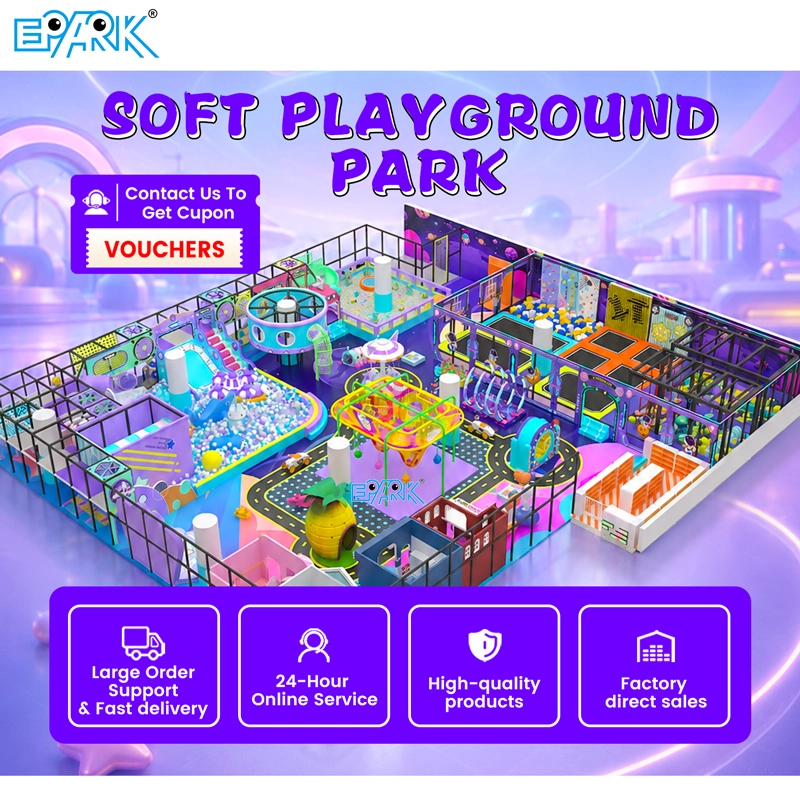
The bigger the space, the more diverse your commercial indoor play area equipment can be. A larger playground can include trampolines, climbing walls, ninja courses, and interactive games, attracting a wider audience.
More attractions also mean higher ticket pricing and longer stay time, both of which directly improve revenue.
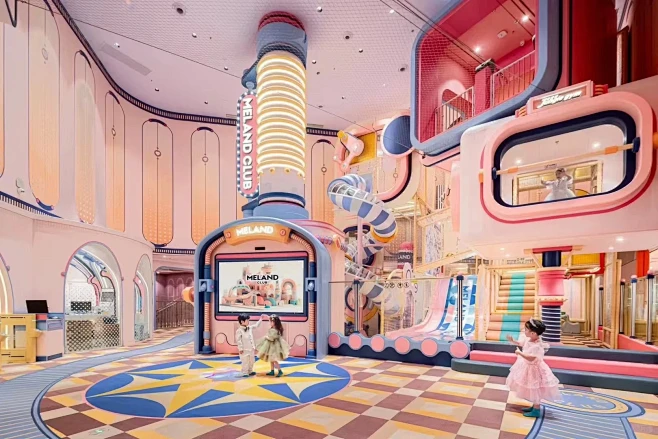
100㎡ Indoor Playground – Compact but Efficient
Ideal For
A 100㎡ indoor playground is perfect for:
- Small investors or startups
- Retail corners in malls
- Community-based locations
This type of project is often used to test market demand before scaling up.
Typical Equipment Configuration
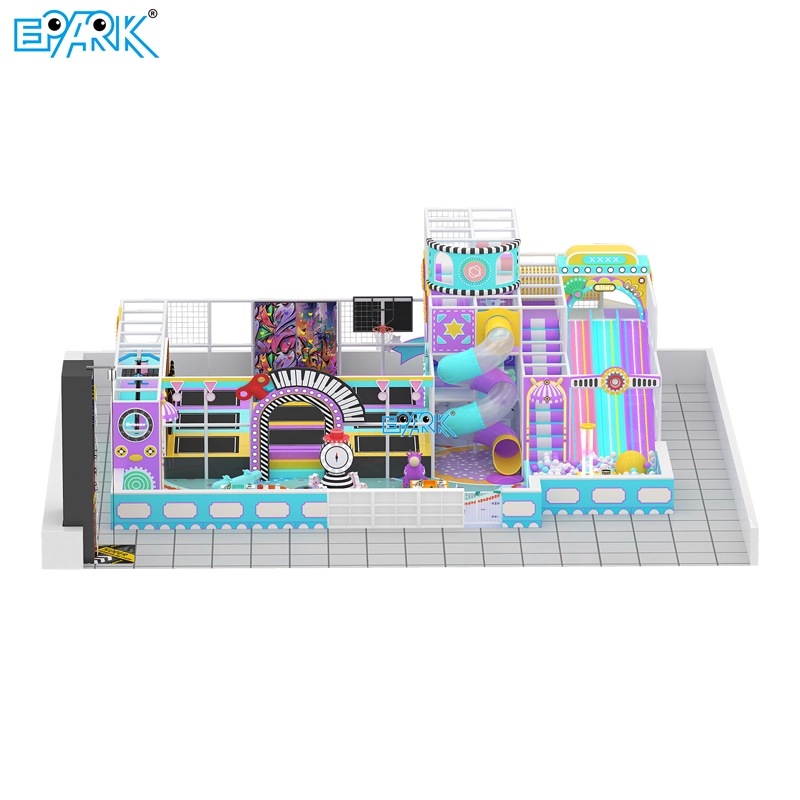
Even with limited space, a compact indoor playground can include:
- Soft play structures
- Ball pits and slides
- Mini climbing elements
- Interactive panels
You can explore similar setups in our internal guide:
How Many Square Meters Does Your Indoor Playground Need?
Target Audience
This setup mainly targets children aged 2–6. Parents in this group prefer safe, simple, and short-duration play experiences.
Business Advantages
- Low initial investment
- Fast installation
- Easy daily operation
- Lower rental pressure
These advantages make it a low-risk entry point into the indoor playground business.
Limitations
- Limited capacity
- Fewer attractions
- Lower ticket pricing
As a result, scaling revenue can be challenging without expansion.
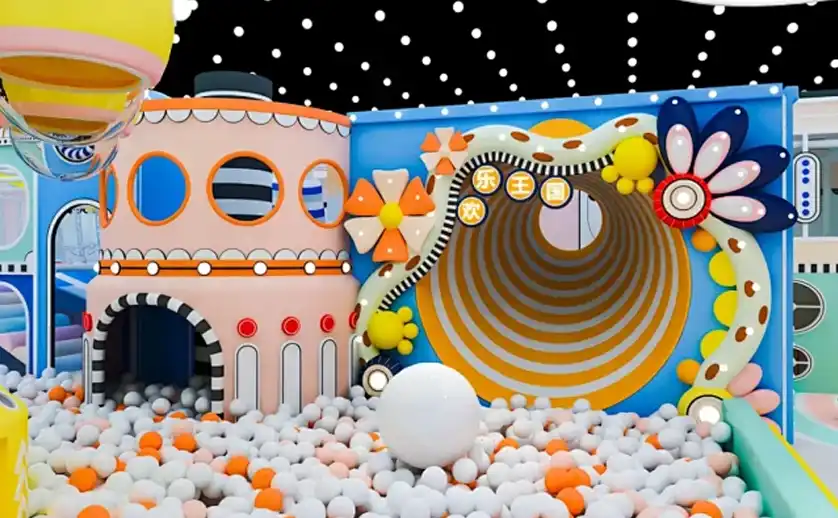
500㎡ Indoor Playground – The Most Popular Choice
Ideal For
A 500㎡ indoor playground is the most common choice for:
- Shopping malls
- Family entertainment centers
- Mid-level investors
It offers a strong balance between cost and return.
Typical Equipment Configuration
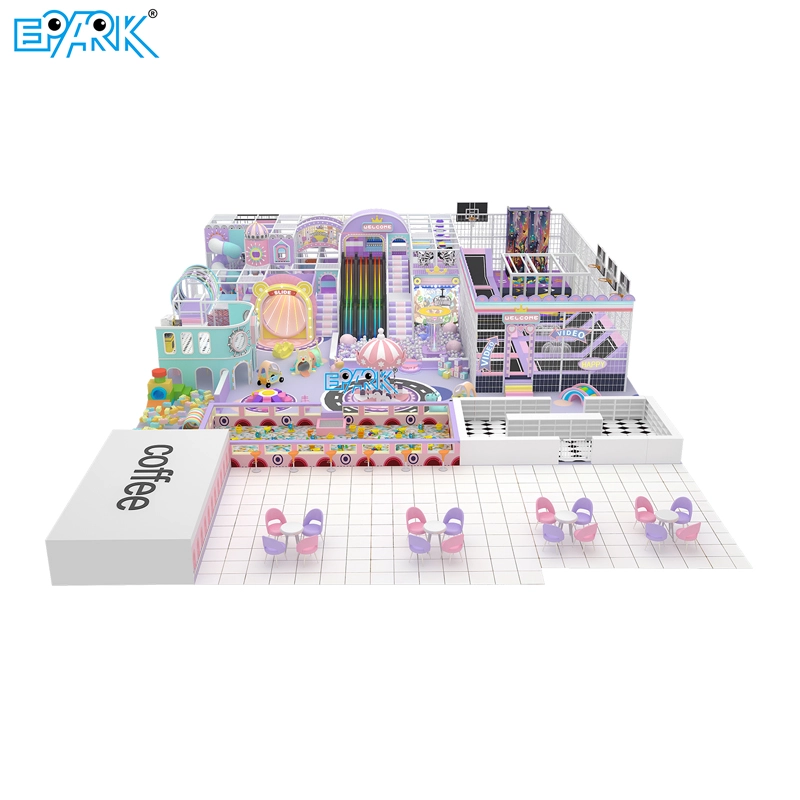
This size allows a more advanced commercial indoor play area layout:
- Multi-level soft play zones
- Trampoline areas
- Ninja obstacle courses
- Interactive digital games
Related product page:
Custom Indoor Playground Solutions
Target Audience
A 500㎡ indoor playground appeals to:
- Children aged 3–12
- Families
- Group visitors
This broader audience increases daily traffic and revenue stability.
Business Advantages
- Balanced investment and ROI
- Multiple income sources (tickets, parties, memberships)
- Strong customer retention
This size is ideal for building a sustainable indoor playground business model.
Revenue Potential
Operators can implement tiered pricing, host birthday events, and introduce add-on services, all of which increase profitability.
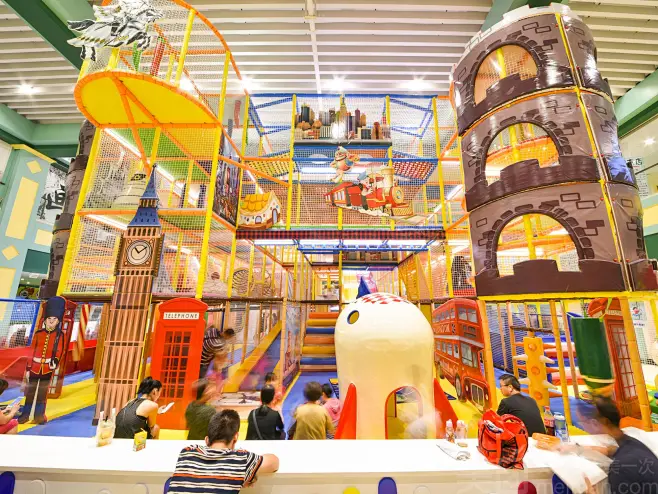
1000㎡ Indoor Playground – High Investment, High Return
Ideal For
A 1000㎡ indoor playground is designed for:
- Large investors
- Chain brands
- Destination entertainment venues
It positions your business as a regional attraction.
Zoning & Equipment Planning
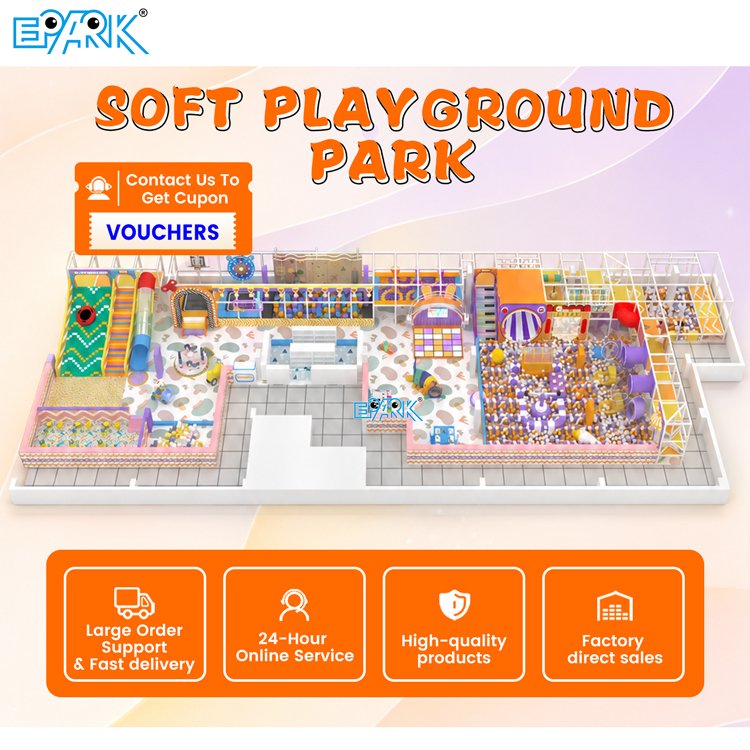
A large commercial indoor play area should include multiple zones:
Toddler Zone
- Soft play equipment
- Sensory games
Adventure Zone
- Multi-level playground structures
- Slides and tunnels
Teen & Adult Zone
- Trampoline park
- Ninja courses
- Climbing walls
Additional Revenue Areas
- Arcade machines
- VR gaming
- Party rooms
- Café
Learn more:
How to Start an Indoor Playground Business
Target Audience
A large-scale indoor playground attracts:
- All age groups
- Families and المدارس
- Corporate events
This diversification significantly boosts revenue opportunities.
Business Advantages
- High capacity
- Strong brand image
- Multiple profit channels
- Longer customer stay time
Revenue Potential
With premium pricing and extended playtime, a 1000㎡ indoor playground delivers the highest return potential, despite higher upfront costs.
100㎡ vs 500㎡ vs 1000㎡ – Quick Comparison
| Size | Investment | Target Users | Equipment Variety | Revenue Potential |
|---|---|---|---|---|
| 100㎡ | Low | Toddlers | Basic | Low–Medium |
| 500㎡ | Medium | Families | Diverse | Medium–High |
| 1000㎡ | High | All ages | Extensive | High |
How to Choose the Right Size
- Choose 100㎡ if you are testing the market
- Choose 500㎡ if you want stable returns
- Choose 1000㎡ if you aim to build a large entertainment brand
Each indoor playground size serves a different strategy, so aligning with your goals is essential.
How to Plan Your Indoor Playground Successfully
Key Considerations
Before launching your indoor playground, evaluate:
- Local demographics
- Rental costs
- Competitor landscape
- Customer preferences
A professional feasibility analysis can significantly reduce risk.
Safety & Technical Standards
All commercial indoor play area equipment should comply with:
- EN1176 (EU safety standard)
- ASTM (US standard)
Using certified materials ensures safety and enhances customer trust.
Why Work with a Professional Manufacturer
An experienced supplier provides:
- Customized design solutions
- Efficient space planning
- Cost-effective production
- Full-service installation
This is crucial for maximizing ROI in a competitive indoor playground market.
Conclusion
Choosing the right indoor playground size is a strategic decision that directly impacts your business success.
- 100㎡ is ideal for quick entry and low risk
- 500㎡ offers the best balance
- 1000㎡ delivers maximum long-term returns
There is no universal solution—your decision should depend on your budget, location, and growth strategy.
Call to Action
Not sure which indoor playground size fits your project?
Get a FREE customized layout and quotation today!
With over 14 years of experience in commercial indoor play area equipment manufacturing, we help clients worldwide build profitable playground businesses.
Contact us now to start your indoor playground project and maximize your investment!