Table of Contents
Introduction
Soft play toys have become a core element in modern parenting and early education environments. From home playrooms to daycare centers and large-scale indoor playground projects, these products are widely used to create safe and engaging play spaces for young children. As demand increases, however, the market is filled with options that vary greatly in quality.
Parents today are more informed and cautious. They care not only about entertainment but also about safety, hygiene, and developmental value. This is where the difference between standard and high-quality soft play toys becomes critical. A poorly made product may look attractive but can pose hidden risks over time.
So, what exactly makes quality so important? The answer lies in how these toys impact child safety, long-term usability, and overall play experience. In this guide, we break down everything you need to know to make smarter decisions—whether you’re a parent or a commercial buyer.
What Are High-Quality Soft Play Toys?
Key Features That Define Premium Soft Play Equipment
High-quality soft play toys are designed with strict safety and durability standards. One of the most important aspects is the use of non-toxic and certified materials, such as high-grade foam and PVC coverings that meet global safety requirements.
Another key feature is high-density foam construction. This ensures better shock absorption and long-term shape retention, especially in high-traffic environments like indoor playgrounds. Unlike low-density alternatives, premium foam does not collapse easily after repeated use.
In addition, well-manufactured soft play equipment includes:
- Smooth edges to prevent injuries
- Reinforced stitching for durability
- Waterproof and easy-to-clean surfaces
Most importantly, these products comply with international certifications such as:
- EN71 (Europe)
- ASTM F963 (USA)
- CPSIA regulations
If you are exploring commercial solutions, you can also check our internal guide on How to Choose Safe Soft Play Equipment for a deeper breakdown.
Commercial-Grade vs Low-Cost Soft Play Toys
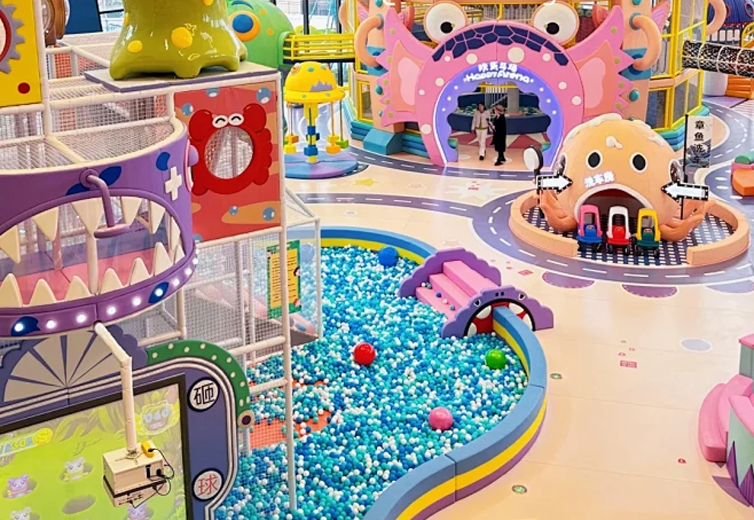
Not all soft play toys are built for the same purpose. Commercial-grade soft play equipment is specifically designed for frequent use in indoor playgrounds, daycare centers, and family entertainment centers. These products are engineered for durability, safety, and long-term ROI.
On the other hand, low-cost toys are typically made for occasional home use. While they may look similar at first glance, they often use inferior materials and lack proper testing. Over time, they are more likely to deform, tear, or become unsafe.
For business owners, this distinction is especially important. Choosing high-quality soft play toys ensures fewer replacements, lower maintenance costs, and a better customer experience.
Why High-Quality Soft Play Toys Are So Important
Safety Is the Foundation of Play
Safety is the number one reason to invest in high-quality soft play toys. Children, especially toddlers, are still developing balance and coordination, making them more prone to falls. High-quality materials provide effective impact absorption, reducing the risk of injury.
In contrast, poorly manufactured soft play products may include hidden hazards such as exposed foam, weak seams, or toxic materials. These risks are not always visible at first but can become serious over time.
For indoor playground operators, safety also directly affects reputation and compliance. Investing in certified equipment is not optional—it’s essential.
Supports Healthy Child Development
Soft play environments play a vital role in early childhood development. Activities like climbing, crawling, and sliding help children build gross motor skills, coordination, and strength.
Additionally, well-designed soft play toys stimulate:
- Sensory exploration through colors and textures
- Cognitive development through problem-solving
- Creativity through open-ended play
In an indoor playground setting, these benefits are amplified. Children interact with others, improving social skills and emotional development. This makes high-quality equipment not just a product—but a developmental tool.
Long-Term Cost Efficiency
Although high-quality soft play toys require a higher initial investment, they deliver superior long-term value. Durable materials and professional construction significantly extend the product lifespan.
Let’s compare:
| Cost Factor | High-Quality Soft Play Toys | Low-Quality Alternatives |
|---|---|---|
| Initial Cost | Higher | Lower |
| Lifespan | 3–5+ years | 6–12 months |
| Maintenance | Minimal | Frequent repairs |
| Replacement | Rare | Frequent |
For commercial buyers, this translates into a much stronger return on investment (ROI). Instead of constantly replacing damaged equipment, you can focus on growing your business.
Hygiene and Easy Maintenance
In shared environments like indoor playgrounds and daycare centers, hygiene is a top concern. High-quality soft play toys are designed with waterproof and stain-resistant surfaces, making them easy to clean and sanitize.
Many premium products also feature anti-bacterial coatings, which help reduce the spread of germs. This is particularly important in today’s health-conscious environment.
Low-quality products, by comparison, often absorb moisture and dirt. This not only makes cleaning difficult but also creates potential health risks over time.
Better Play Experience and Customer Retention
The design of high-quality soft play toys goes beyond safety—it also focuses on user experience. Bright colors, ergonomic shapes, and stable structures create a more engaging environment for children.
For indoor playground businesses, this leads to:
- Longer playtime per visit
- Higher customer satisfaction
- Increased repeat visits and referrals
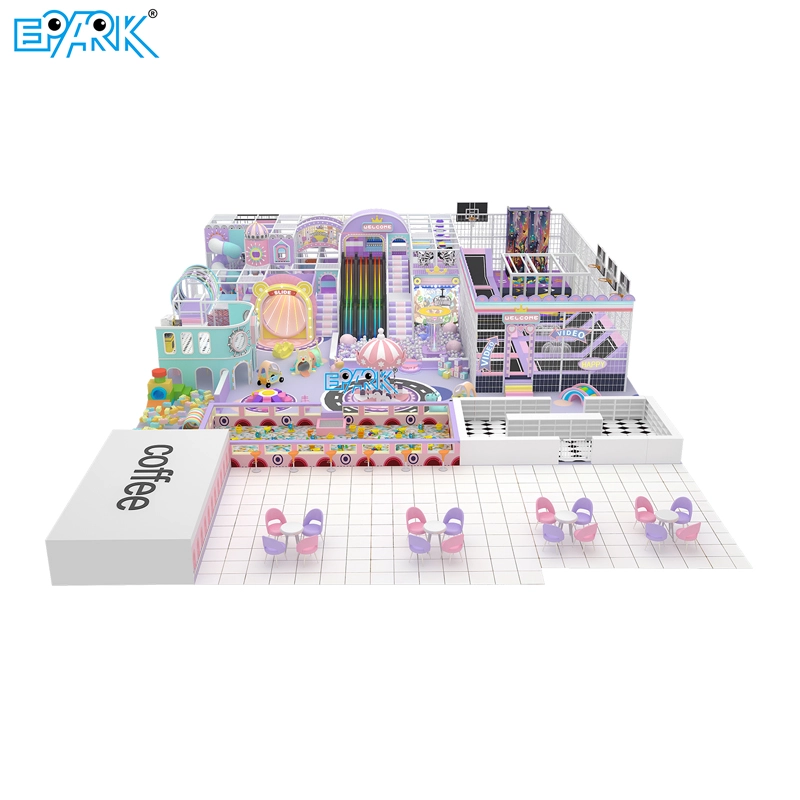
If you’re planning a project, you may want to explore our custom indoor playground solutions to see how design and quality work together.
High-Quality vs Low-Quality Soft Play Toys: Quick Comparison
| Feature | High-Quality Soft Play Toys | Low-Quality Soft Play Toys |
|---|---|---|
| Safety | Certified, non-toxic | Unverified materials |
| Durability | High-density foam | Easily damaged |
| Hygiene | Easy to clean | Hard to maintain |
| Cost Efficiency | Long-term savings | High replacement cost |
| Play Experience | Engaging & stable | Basic & less appealing |
Why This Matters for Different Buyers
For Parents
For families, choosing high-quality soft play toys means creating a safe and enriching environment at home. Parents can feel confident knowing their children are protected while enjoying meaningful playtime.
It also reduces long-term costs, as durable products do not need frequent replacement.
For Commercial Buyers
For investors and operators, the impact is even greater. High-quality soft play equipment helps:
- Reduce operational risks
- Improve brand reputation
- Increase customer retention
In a competitive indoor playground market, quality is often the key differentiator that drives success.
Quality Is a Smart Investment
High-quality soft play toys are essential for ensuring safety, supporting development, and maximizing value. From certified materials to thoughtful design, every detail contributes to a better experience for both children and users.
While cheaper options may seem attractive initially, they often result in higher long-term costs and potential risks. Whether you are building a home play area or launching an indoor playground business, investing in quality is always the right decision.
Build a Safer and More Profitable Play Space
Looking for reliable, durable, and customizable soft play toys for your project?
With over 14 years of manufacturing experience, we provide:
- Certified and safe materials
- Custom indoor playground design
- One-stop project solutions
Contact us today for a free quote and layout design
Start your indoor playground project with confidence