Introduction
The global indoor entertainment industry continues to expand, and the adult trampoline park has become one of the most attractive investments for B2B buyers. Compared to traditional playgrounds, a well-designed trampoline park offers higher engagement, repeat visits, and multiple revenue streams such as fitness programs, events, and group activities.
However, building a successful adult trampoline park project is not just about buying equipment. It requires strategic planning, professional manufacturing, and precise installation. From concept to completion, each stage directly impacts safety, user experience, and long-term profitability.
In this guide, we’ll walk you through the complete process of developing a custom trampoline park, helping you reduce risks and maximize ROI.
Step 1 – Define Your Project Goals and Target Market
Before starting your trampoline park project, you need a clear understanding of your business goals. This ensures that your design, equipment selection, and budget align with your target market.
First, define your audience. An adult trampoline park can target fitness users, young adults, or mixed-age visitors. Each group has different expectations. For example, fitness-focused parks prioritize performance zones, while entertainment-focused parks include interactive attractions.
Next, choose your business model. Many investors combine a trampoline park with ninja courses, soft play areas, or arcade zones. This hybrid model increases customer retention and revenue per square meter.
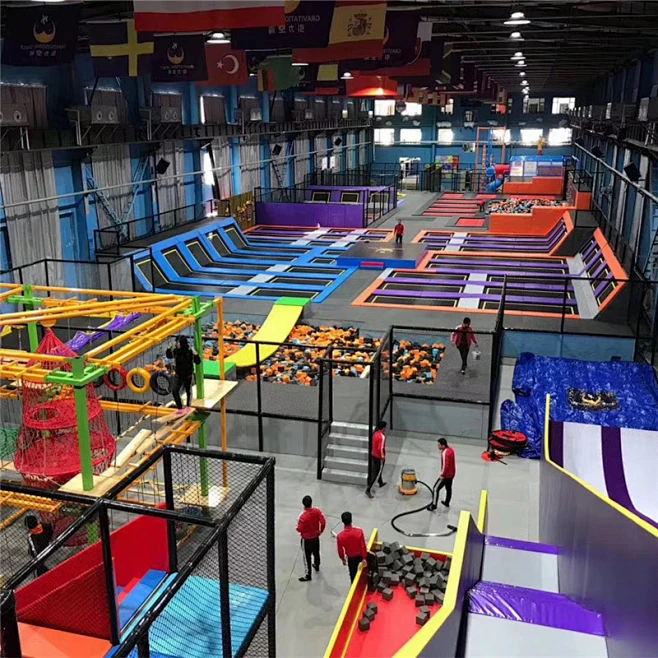
Finally, evaluate your location and space. A typical indoor trampoline park requires 300㎡ to 2000㎡+, with a ceiling height of at least 5–7 meters. Proper planning ensures compliance with safety standards and improves operational efficiency.
 Step 2 – Choose a Reliable Trampoline Park Manufacturer
Selecting the right supplier is critical for any custom trampoline park. A professional manufacturer ensures quality, safety, and long-term support.
Key Evaluation Criteria
| Factor | Why It Matters |
|---|---|
| Experience | 10+ years ensures stable production |
| Certifications | ASTM, EN compliance guarantees safety |
| Custom Design | Tailored solutions for your space |
| Project Cases | Proven global installations |
| After-Sales Support | Essential for maintenance and upgrades |
Be cautious of suppliers offering extremely low prices, as this often indicates compromised materials or lack of certifications. A trusted manufacturer will provide transparent communication and detailed project planning.
Learn more about equipment options on our How much does it cost to open a Trampoline Park
Explore related insights in our blog: How to Choose Commercial Trampoline Equipment for Your Trampoline Park
Step 3 – Custom Design & Layout Planning
The success of an adult trampoline park depends heavily on its layout and design. A well-planned trampoline park design improves safety, user flow, and overall profitability.
The process starts by sharing your site layout (CAD drawings or dimensions). Based on this, the supplier creates a customized plan that maximizes space utilization.
Common Attraction Zones
- Free jump area
- Foam pit
- Dodgeball court
- Slam dunk zone
- Ninja course
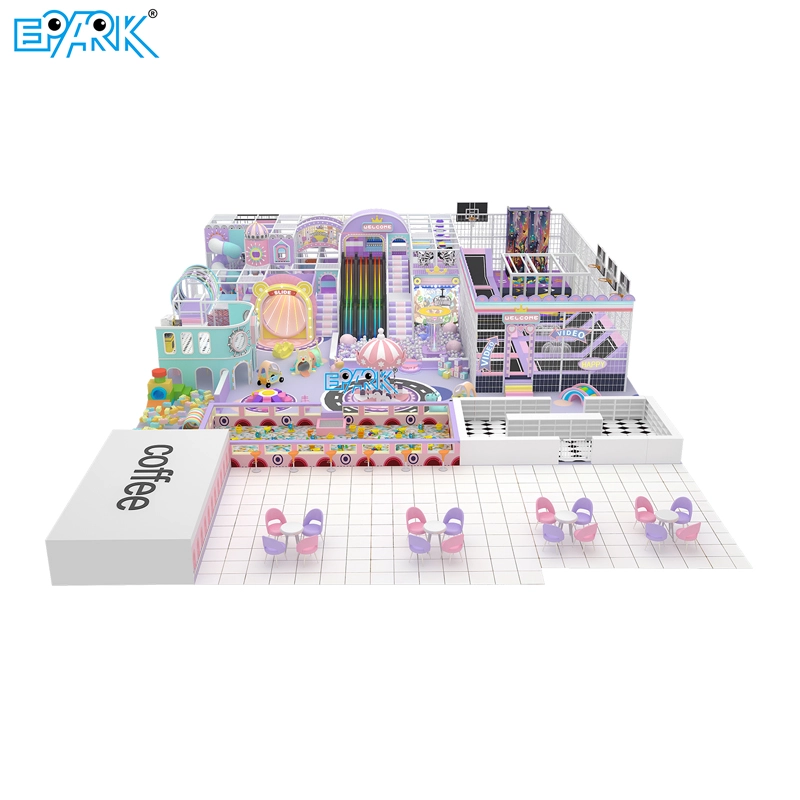
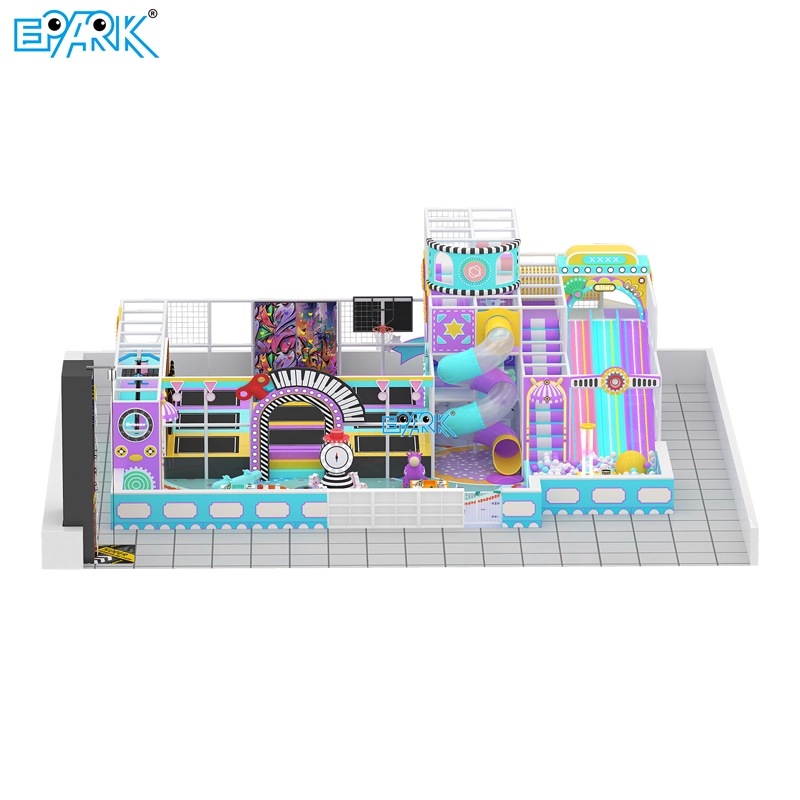
Modern manufacturers provide 3D renderings, allowing you to visualize your custom trampoline park before production. This helps refine the layout and ensures alignment with your branding.
In addition, customized themes, colors, and logos can enhance your brand identity and make your indoor trampoline park more competitive in the market.
Step 4 – Budget Planning & Cost Estimation
A clear financial plan is essential for controlling costs in a trampoline park project. Many buyers underestimate the total investment, which can lead to delays or compromises.
Main Cost Breakdown
| Cost Item | Details |
|---|---|
| Equipment | Trampolines, frames, safety padding |
| Shipping | Sea freight, insurance |
| Import Costs | Duties and taxes |
| Installation | Labor and technical support |
| Renovation | Flooring, lighting, ventilation |
To optimize your budget, consider modular designs and multi-attraction layouts. These strategies allow your adult trampoline park to generate more revenue without significantly increasing costs.
 Step 5 – Factory Production Process
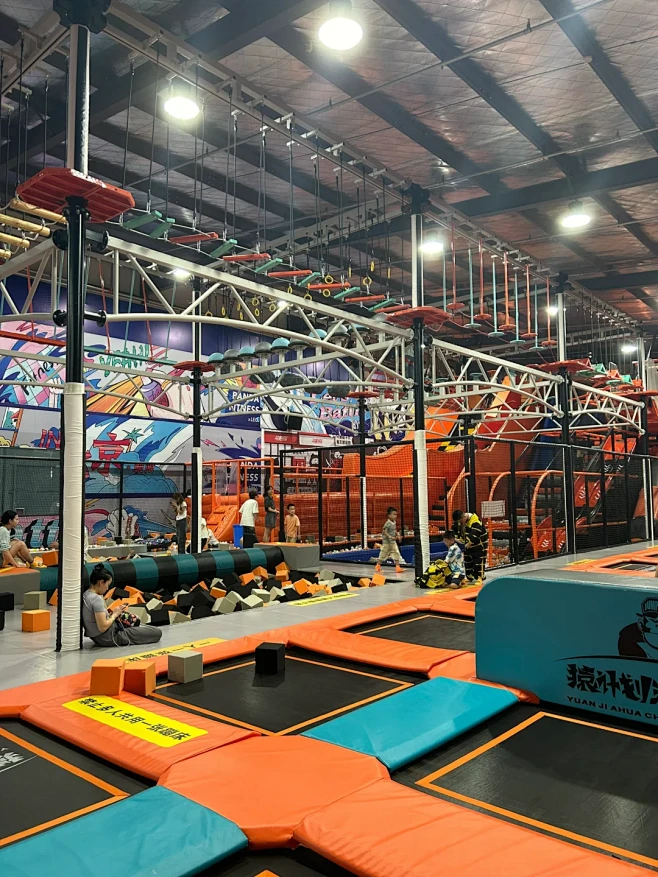
The production phase is where your custom trampoline park equipment is manufactured. Quality control at this stage directly affects durability and safety.
Manufacturing Workflow
- Raw material selection (steel, mats, springs)
- Cutting and welding of frames
- Assembly of structural components
- Production of safety padding
- Final inspection and packaging
Key Safety Standards
| Standard | Region | Purpose |
|---|---|---|
| ASTM F2970 | USA | Trampoline park safety |
| EN 1176 | Europe | Playground safety |
| ISO 9001 | Global | Quality management |
A professional factory ensures all trampoline park equipment meets these standards, reducing long-term risks and maintenance costs.
Step 6 – Shipping & Logistics Arrangement
Shipping is a crucial part of any trampoline park project, especially for international buyers. Most equipment is transported via sea freight due to its cost efficiency.
Suppliers typically provide:
- Export-standard packaging
- Clearly labeled components
- Optimized container loading
Shipping time usually ranges from 20–45 days, depending on the destination. Proper logistics planning ensures your indoor trampoline park project stays on schedule.
Step 7 – On-Site Installation & Setup
Installation determines the final quality of your adult trampoline park. Even high-quality equipment requires professional setup to ensure safety and performance.
Installation Options
- Supplier engineers on-site
- Remote guidance (manuals + videos)
- Local contractors with supervision
Installation Process
- Site preparation
- Frame assembly
- Trampoline installation
- Safety padding setup
- Final inspection
Working with an experienced team ensures your trampoline park installation is efficient and compliant with safety standards.
Step 8 – Testing, Training & Opening Preparation
Before opening your trampoline park, thorough testing and preparation are essential. This ensures smooth operations and a safe environment for customers.
Pre-Opening Checklist
- Structural safety testing
- Equipment performance checks
- Emergency system verification
Staff Training
- Daily operations
- Customer safety management
- Emergency response procedures
A soft opening is highly recommended. It allows you to test your adult trampoline park operations, gather feedback, and optimize the customer experience before the official launch.
 Conclusion
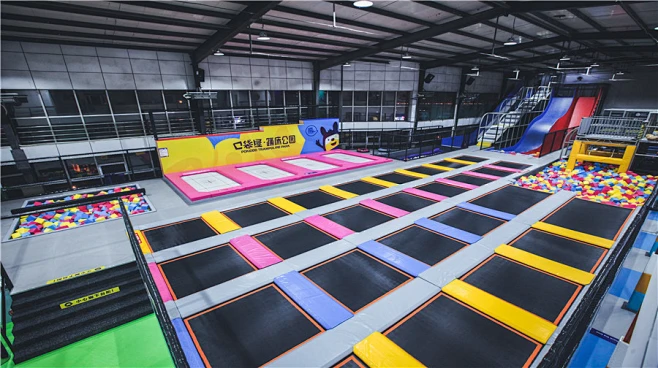
Building a successful custom adult trampoline park requires a structured approach, from planning and design to production and installation. Each step plays a vital role in ensuring safety, efficiency, and profitability.
By working with a reliable manufacturer and following a clear process, you can:
- Reduce project risks
- Control costs effectively
- Deliver a high-quality trampoline park experience
A well-executed trampoline park project is not just an investment—it’s a long-term business opportunity with strong growth potential.
Call to Action
Ready to start your adult trampoline park project?
Get a FREE 3D trampoline park design tailored to your space
Receive a detailed quotation within 24 hours
Work with a factory that supports you from concept to installation
Contact us today and turn your idea into a profitable trampoline park business!