Introduction
Indoor trampoline parks have become one of the fastest-growing segments in the global entertainment industry. From the United States to Europe and Asia, these parks attract families, teenagers, and even corporate groups looking for active and engaging experiences.
Unlike traditional amusement venues, trampoline parks combine fitness, fun, and social interaction in a controlled indoor environment. This makes them highly popular year-round and less affected by seasonal changes.
In this guide, we will explore some of the most famous indoor trampoline parks around the world, analyze what makes them successful, and provide valuable insights for both visitors and investors.
What Is an Indoor Trampoline Park?
Definition and Key Features
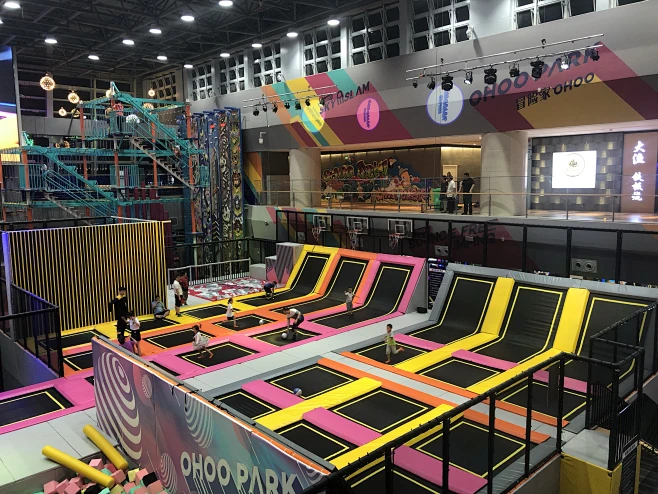
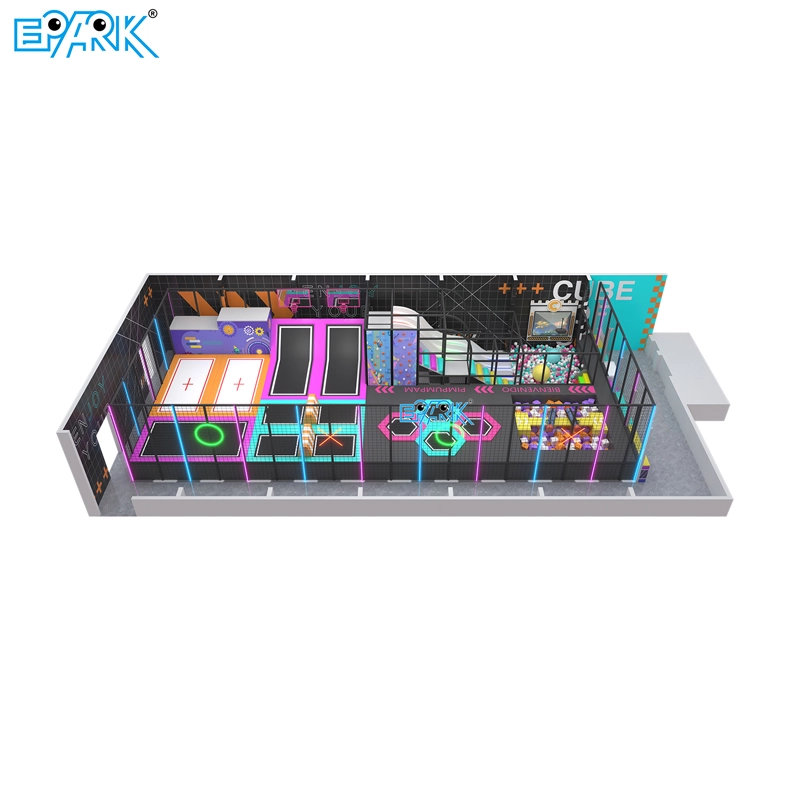
An indoor trampoline park is a large-scale recreational facility built around interconnected trampoline systems. These venues are designed using durable steel frames, high-elastic jumping mats, and safety padding to ensure both performance and protection.
Common attractions include:
Free jumping zones
Foam pits
Dodgeball courts
Slam dunk areas
Ninja obstacle courses
Climbing walls
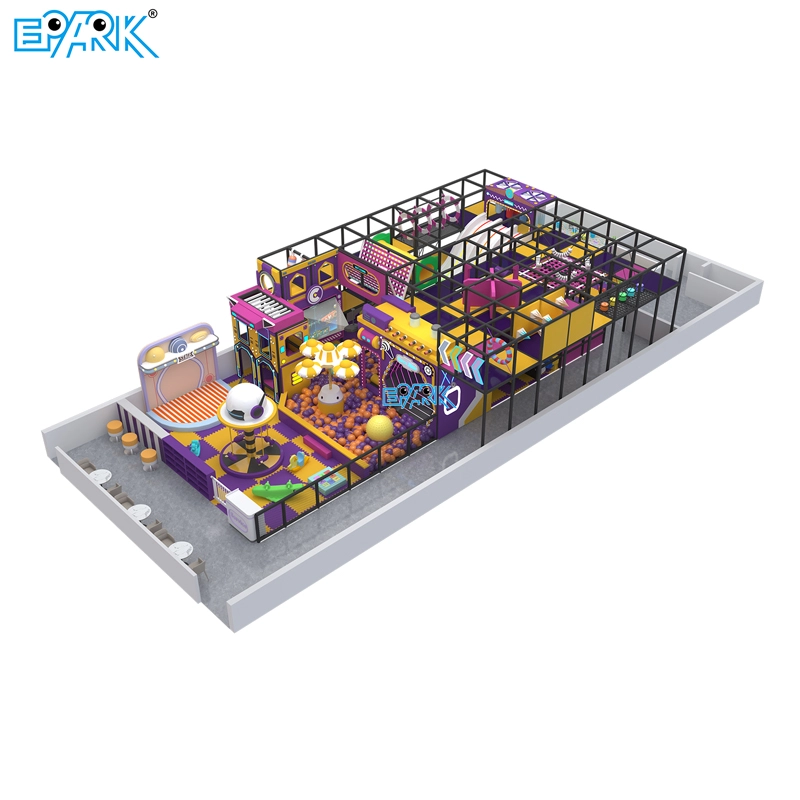
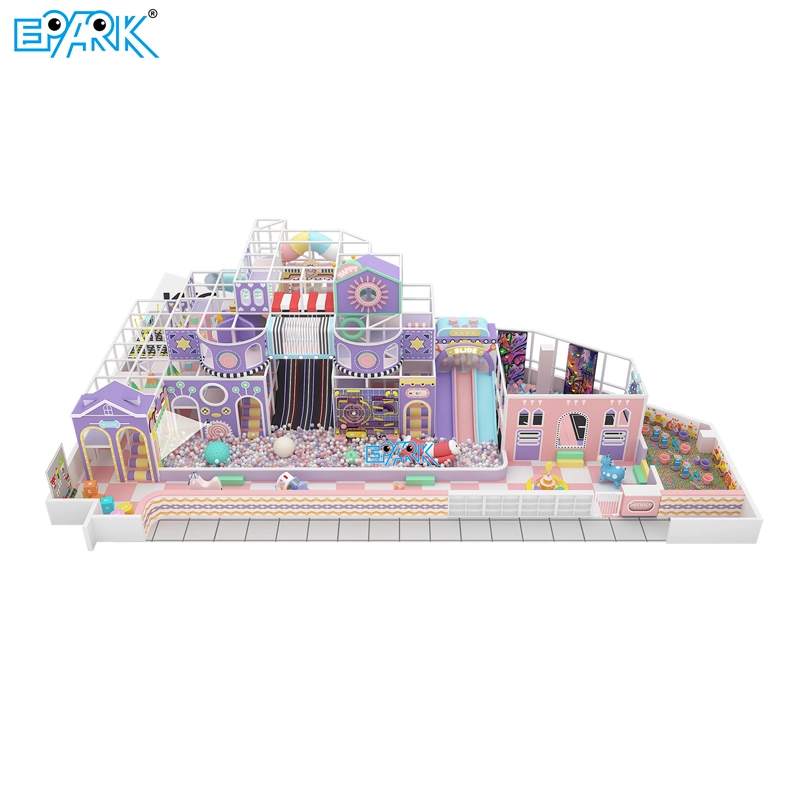
Today, many trampoline parks have evolved into multi-attraction family entertainment centers (FECs), integrating additional activities to increase engagement and revenue.
Why Trampoline Parks Are So Popular
There are several reasons why trampoline parks continue to grow globally. First, they cater to a wide audience, making them suitable for children, teenagers, and adults. This broad appeal ensures consistent foot traffic.
Second, these parks combine physical activity with entertainment, aligning with modern health and lifestyle trends. Visitors can exercise while having fun, which increases repeat visits.
Finally, trampoline parks benefit from strong social media exposure. Their visually dynamic environments encourage users to share content, driving organic marketing and brand awareness.
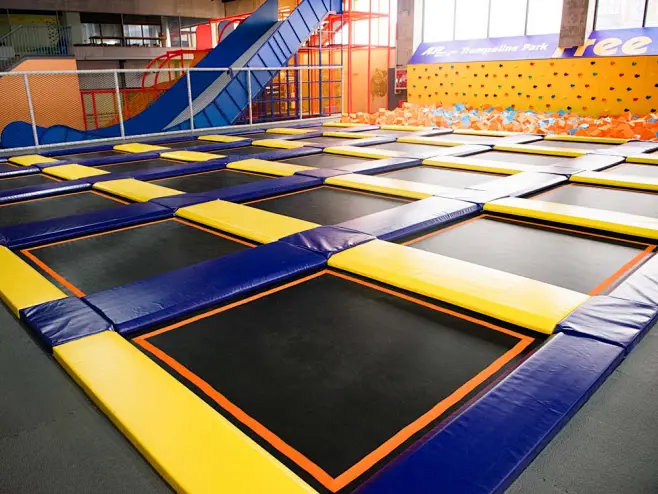
Top Famous Indoor Trampoline Parks Around the World
Below are some of the most recognized trampoline parks globally. These brands have successfully built scalable business models and strong customer engagement.
Sky Zone (USA & Global)
Sky Zone is widely recognized as a pioneer in the trampoline park industry. It introduced the concept of wall-to-wall trampolines and expanded through a strong franchise network.
Key advantages:
Standardized operations
Fitness programs and events
Strong brand recognition
Urban Air Adventure Park (USA)
Urban Air has redefined the concept of indoor trampoline parks by integrating multiple attractions into one venue.
Main features:
Ropes courses
Climbing walls
Indoor coaster rides
Arcade zones
This hybrid model significantly increases revenue per visitor.
Altitude Trampoline Park (Global)
Altitude focuses on accessibility and rapid expansion. Its pricing strategy allows it to attract a broader audience while maintaining operational efficiency.
Launch Trampoline Park (USA)
Launch offers a premium experience by combining trampoline zones with additional entertainment features such as laser tag and arcade games.
Big Air Trampoline Park (USA)
Big Air stands out with high-intensity attractions designed for thrill-seekers, including stunt zones and advanced freestyle areas.
Bounce Inc (Australia & Asia)
Bounce Inc focuses on freestyle movement and youth culture, creating a unique brand identity that resonates with younger audiences.
Jumpstreet (Middle East & Europe)
Jumpstreet has successfully expanded into emerging markets, adapting its offerings to local preferences and community needs.
Maxx Arena (Europe)
Maxx Arena combines trampoline parks with ninja-style obstacle courses, targeting fitness-oriented users and competitive players.
Why These Trampoline Parks Are Successful
Strategic Location Selection
Successful trampoline parks are typically located in high-traffic areas such as shopping malls or urban centers. This ensures visibility and consistent customer flow.
Multi-Attraction Design
Modern indoor trampoline parks are no longer single-function venues. Adding attractions increases both dwell time and spending.
| Attraction Type | Role in Business | Target Audience |
|---|---|---|
| Trampoline Areas | Core feature | All ages |
| Ninja Courses | High value | Teens/adults |
| Arcade Games | Add-on revenue | Gamers |
| Party Rooms | High profit | Families |
Explore design solutions:
Internal Link: indoor-playground-design
Strong Marketing Strategy
Leading trampoline parks invest in digital marketing, including:
Social media campaigns
Influencer collaborations
Event promotions
These strategies help maintain high brand visibility and customer engagement.
Scalable Business Model
Franchise-based expansion allows these brands to grow quickly while maintaining consistent service quality. Standardized equipment and layouts also reduce operational complexity.