Indoor Playground Manufacturer

Table of Contents

Introduction

Soft play toys are becoming an essential part of modern indoor playground design and home entertainment spaces. For parents, choosing the right toys is no longer just about fun—it is about safety, child development, and long-term value. High-quality soft play toys provide a safe environment where children can explore, learn, and grow without unnecessary injury risks.

However, many parents still struggle with how to select the right products. The market is full of different materials, designs, and price levels, making it difficult to judge quality. Poorly made toys may break easily or fail to meet safety standards, which can directly affect children’s safety and play experience.

Well-designed soft play equipment helps improve physical coordination, cognitive ability, and social interaction. In this guide, we will explain how to choose the best options, what materials to look for, suitable age groups, and how these products are used in both home and commercial indoor playground projects.

What Are Soft Play Toys?

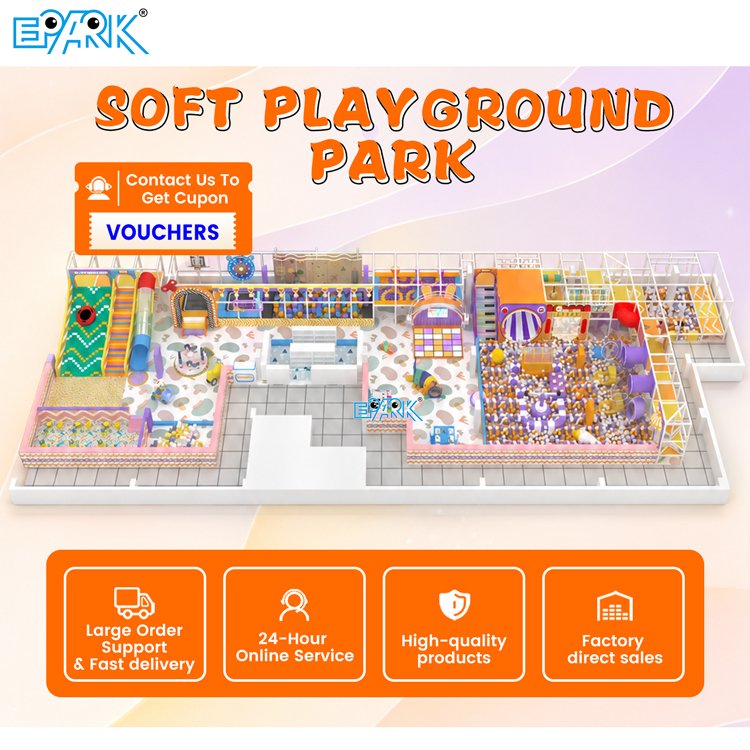
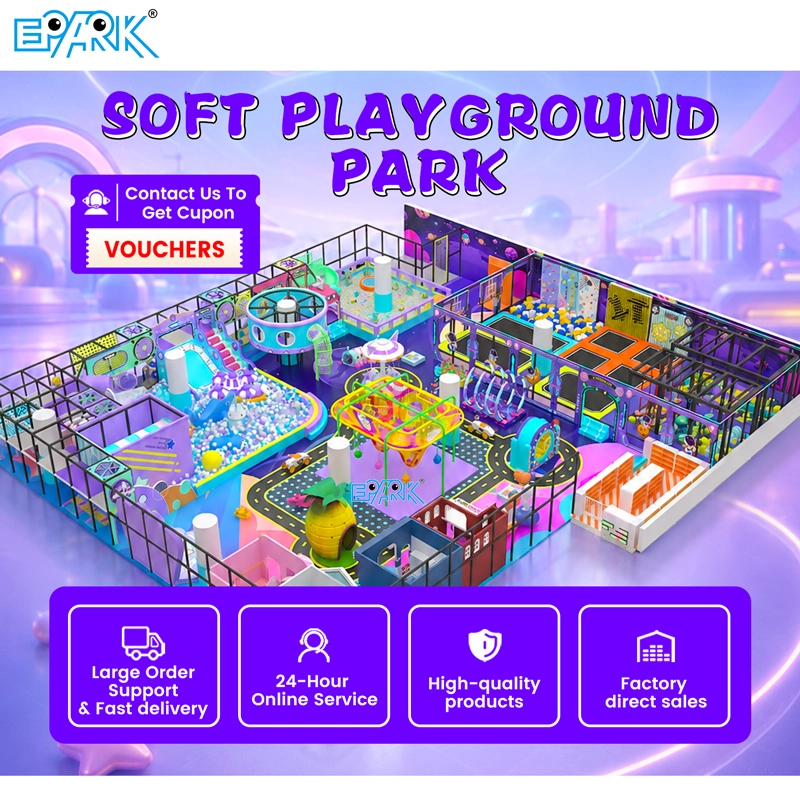
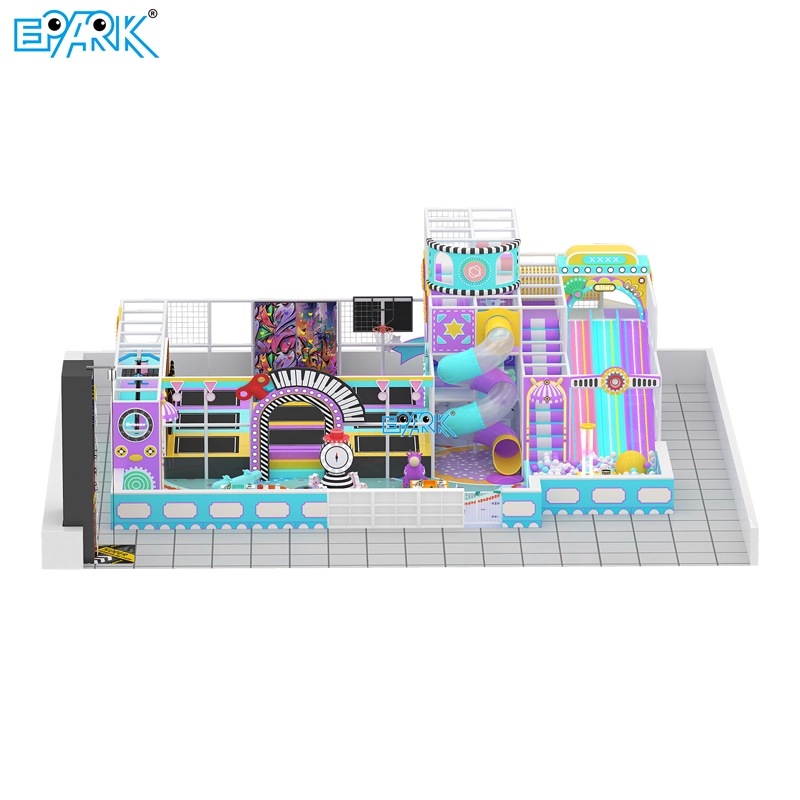
Soft play toys are specially designed foam-based play equipment used in indoor playground environments, kindergartens, and family entertainment centers. Their main purpose is to provide a safe, cushioned space for children to play freely while reducing the risk of injury.

Most soft play toys are made from high-density foam wrapped in PU leather or PVC materials. These materials ensure durability, waterproof performance, and easy cleaning, which is especially important in commercial settings.

Unlike traditional playground equipment, soft play structures are modular and flexible. They can be combined into different layouts depending on space requirements and design needs.

Internal Reference

You can explore more design options here:
How to Design a Mall Playground?

soft play equipment for sale
soft play equipment for toddlers

Benefits of Soft Play Toys for Kids

Physical Development

Soft play activities encourage crawling, climbing, balancing, and jumping. These movements strengthen muscles and improve coordination. Regular interaction with soft play toys supports gross motor skill development during early childhood.

Cognitive and Emotional Growth

Children use imagination when playing in a soft play environment. This helps improve problem-solving skills and creativity. A safe play environment also builds confidence and reduces fear of physical activity.

Social Interaction

In an indoor playground, children often play together, which helps them develop communication and teamwork skills. Sharing space and toys encourages emotional intelligence and cooperation.

Key Benefits Summary

  • Enhances motor skill development
  • Supports early learning and creativity
  • Builds confidence in a safe environment
  • Improves social interaction skills
  • Reduces screen time dependency

How to Choose the Best Soft Play Toys for Kids

Selecting the right soft play toys requires evaluating several key factors beyond appearance or price.

Safety Standards First

Safety is the most important consideration in any indoor playground or home setup. Always choose products made from non-toxic materials and certified under international standards such as EN71 or ASTM.

Soft edges, stable structures, and shock-absorbing foam are essential features. A safe soft play system should minimize injury risks even during active play.

Age-Appropriate Selection

Different age groups require different types of soft play toys.

Age GroupRecommended Soft Play Products
0–3 yearsSoft mats, foam blocks, crawling tunnels
3–6 yearsMini slides, climbing sets, balance modules
6+ yearsObstacle courses, interactive soft play systems

Choosing age-appropriate equipment ensures both safety and better engagement in an indoor playground environment.

Material Quality and Durability

High-density foam is essential for long-term use. Low-quality foam can collapse over time, especially in commercial soft play centers.

Look for:

  • High-density EPE foam core
  • PU or PVC waterproof covering
  • Reinforced stitching
  • Easy-clean surface

Durable materials are especially important for commercial indoor playground operators who handle high traffic daily.

Educational and Design Value

Modern soft play toys are designed not only for entertainment but also for learning. Bright colors stimulate visual development, while modular designs encourage creativity.

Themed structures like castles, jungles, or ocean worlds enhance storytelling and imagination, making the soft play experience more engaging.

Types of Soft Play Toys You Should Know

Foam Blocks and Construction Sets

These basic units help children develop spatial awareness and creativity. They are often used in early childhood soft play environments.

Soft Slides and Climbing Structures

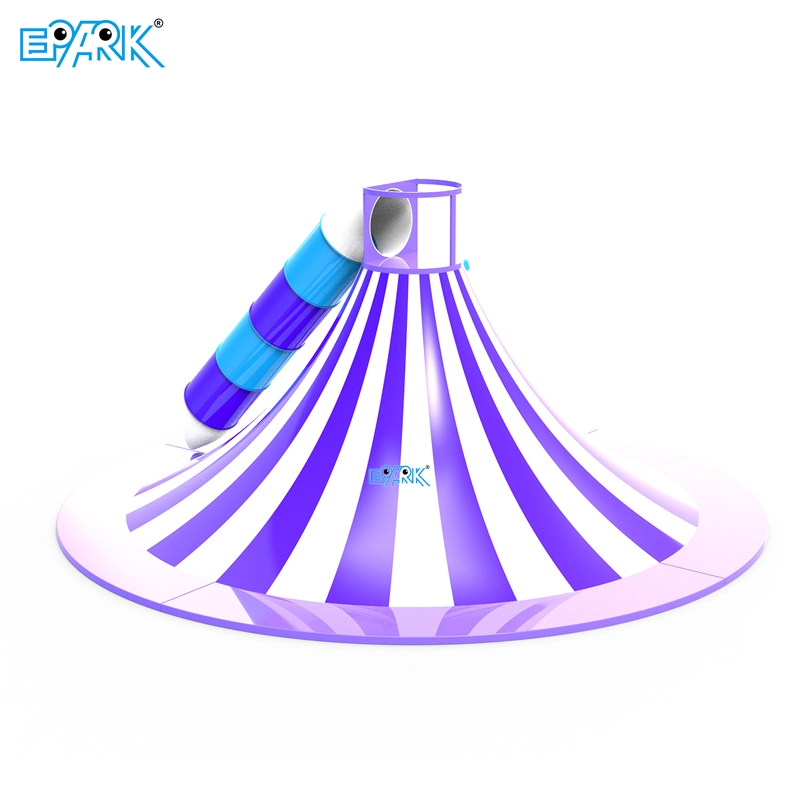
These structures improve balance, strength, and coordination. They are core elements in any indoor playground setup.

Ball Pools and Activity Zones

Ball pits provide sensory stimulation and are highly popular in commercial soft play centers.

Themed Soft Play Systems

These immersive environments combine storytelling and physical activity, making them ideal for large indoor playground projects.
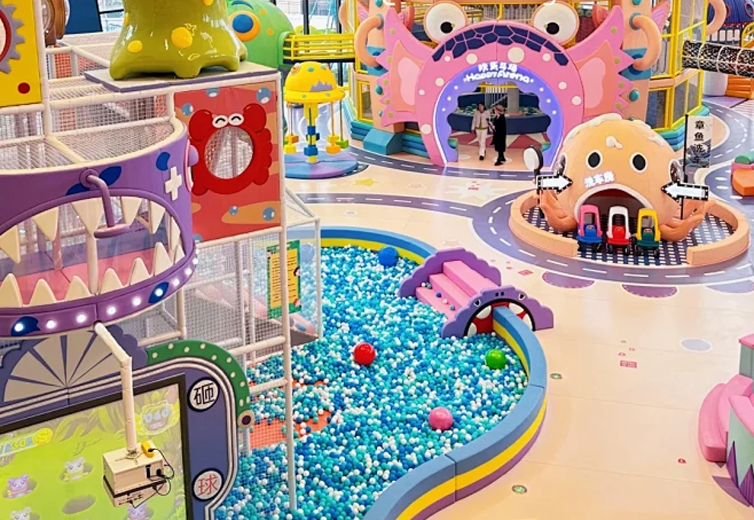
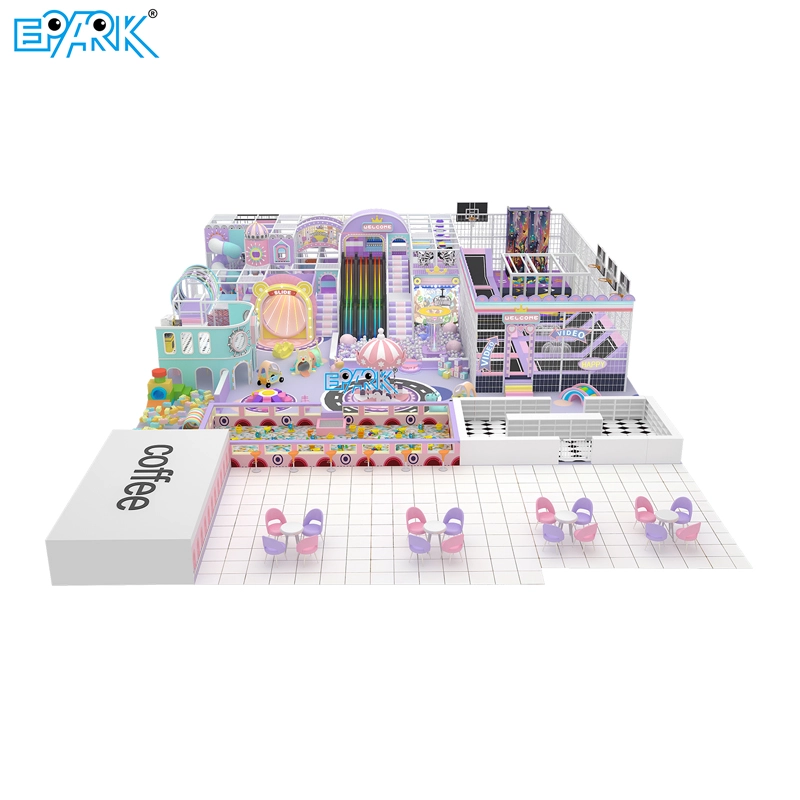
indoor commercial playground equipment for sale

Soft Play Toys for Different Applications

Home Use

For home environments, soft play toys should be compact, modular, and easy to assemble. Parents usually choose smaller sets that fit in living rooms or playrooms.

Kindergartens and Schools

Educational institutions require durable and easy-to-clean soft play systems. These setups focus on group interaction and structured learning.

Commercial Indoor Playgrounds

Large-scale indoor playground projects require customized layouts, high durability, and professional installation. These systems are designed for heavy daily use and long-term operation.

Related product solution: Commercial Indoor Playground Equipment

Common Mistakes When Buying Soft Play Toys

Many buyers make avoidable mistakes when selecting soft play toys.

One common mistake is focusing only on price instead of quality. Cheap materials often reduce durability and safety. Another mistake is ignoring safety certifications, which can lead to compliance issues in commercial indoor playground projects.

Some buyers also select the wrong age group, which reduces play value. Finally, poor space planning can lead to inefficient layouts and wasted investment.

Soft Play Toy Selection Checklist

FactorWhat to Check
SafetyCertified non-toxic materials
DurabilityHigh-density foam structure
DesignAge-appropriate layout
MaintenanceEasy cleaning surface
FlexibilityModular expansion capability

This checklist helps ensure you choose the right soft play system for both home and commercial use.

Conclusion

High-quality soft play toys play a critical role in child development and modern indoor playground design. They provide a safe, engaging, and educational environment that supports physical, cognitive, and social growth.

Choosing the right products requires careful attention to safety standards, material quality, and age suitability. Whether for home use or commercial projects, investing in professional soft play solutions ensures long-term value and user satisfaction.

For business owners, selecting reliable suppliers is equally important to ensure stable quality and consistent performance in high-traffic environments.

Call to Action

Looking for reliable soft play toys or planning to build a profitable indoor playground project?

We are a 14-year experienced manufacturer specializing in:

Need an Instant Quote for Your Indoor Playground Projects?

You may also find these topics interesting

Ask for Quote Now