Creating a profitable indoor play area requires more than just building a fun space—it’s about combining safety, design, customer experience, and smart business strategies. Here’s a step-by-step guide to help you:
.jpg)
Research & Planning
Market Research: Analyze your local market—demand, demographics (families with children), competitors, and spending habits.
Target Audience: Families with kids (toddlers to teens), schools, daycare centers, birthday parties.
Location: Choose a high-traffic area (near malls, schools, residential zones). Easy access and parking are crucial.
Business Model: Decide whether you’ll charge hourly, offer memberships, host parties/events, or include food/beverage sales.
Designing the Play Area
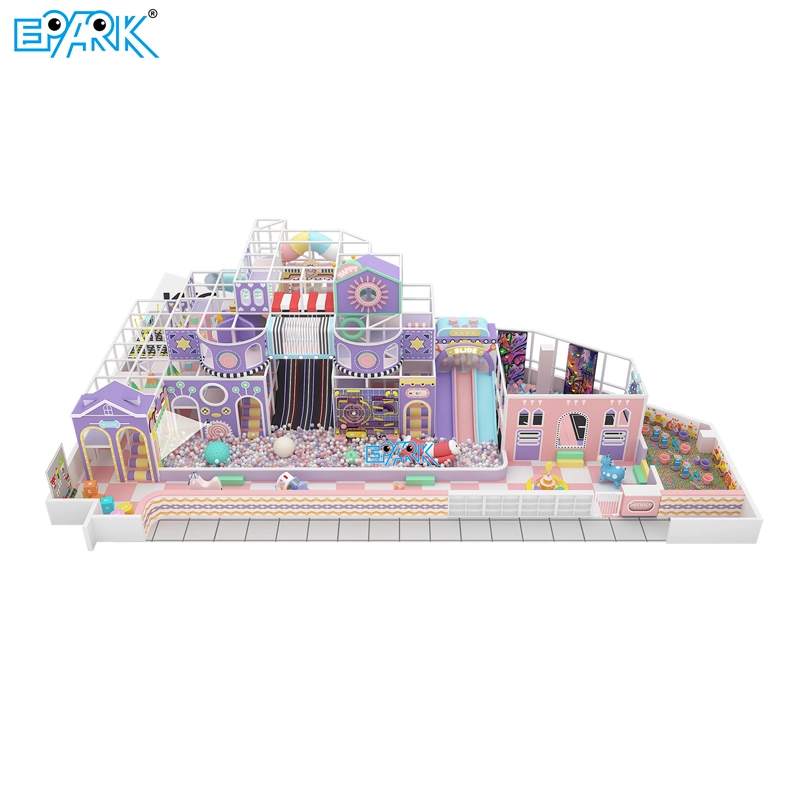
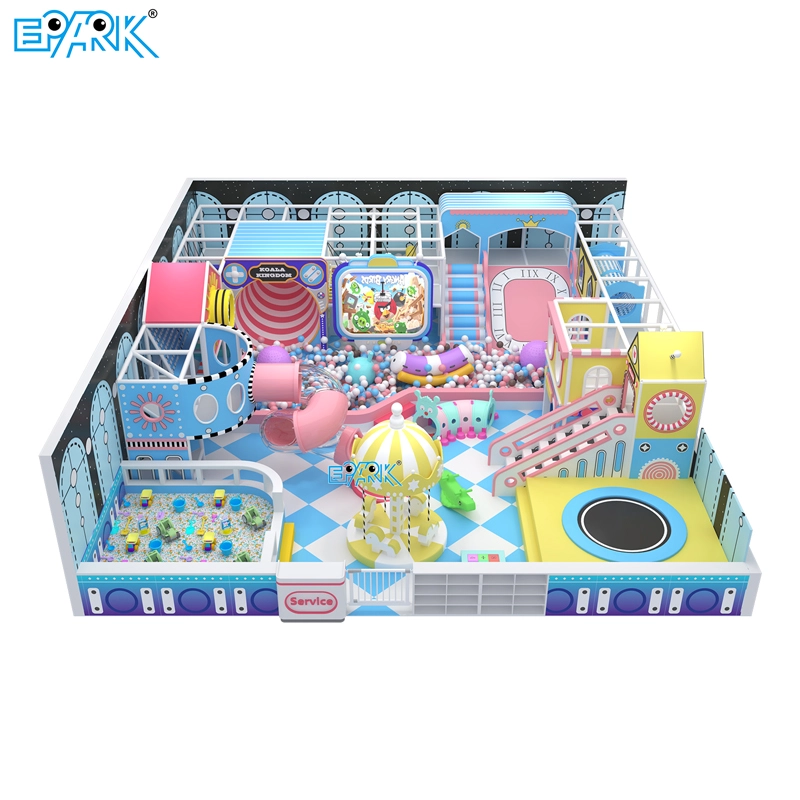
Age-Appropriate Zones: Separate toddler areas, climbing/obstacle zones, trampolines, soft playgrounds, and arcade/game machines.
Safety First: Use certified materials, cushioned flooring, and ensure compliance with safety regulations.
Attractive Themes: Jungle, space, ocean, or cartoon characters make the playground more inviting.
Add Variety: Include slides, ball pits, climbing walls, rope courses, VR/AR games, and interactive play panels.
Revenue Streams
Entry Fees: Hourly rates, unlimited day passes, or family packages.
Memberships: Monthly/annual passes with perks (discounts on parties or food).
Birthday Parties & Events: Party rooms are a big profit driver. Offer themed packages.
Food & Beverage: A small café or snack bar increases revenue and encourages longer visits.
Retail Corner: Sell toys, souvenirs, or branded merchandise.
Special Classes: Offer kids’ fitness, art, or learning workshops.
Marketing Strategies
Strong Branding: Create a kid-friendly brand identity with a catchy name and colorful visuals.
Website & Social Media: Showcase photos, videos, events, and booking options.
SEO & Google Maps: Optimize for keywords like “indoor playground near me”.
Partnerships: Collaborate with schools, daycares, and parenting bloggers.
Membership Loyalty Programs: Discounts, points system, or referral bonuses.
Operational Excellence
Staff Training: Friendly staff who can manage children, maintain safety, and interact with parents.
Cleanliness: Daily sanitization builds trust with parents.
Maintenance: Regular equipment checks and repairs.
Peak vs. Off-Peak Hours: Offer discounts or classes during weekdays to maintain traffic.
Financial Planning
Initial Investment: Equipment, rent, insurance, safety certifications, interior design.
Operating Costs: Staff salaries, utilities, cleaning, marketing.
Profit Margin: Well-run play centers can achieve 20–35% profit margins.
Break-Even Analysis: Typically 12–24 months depending on size and location.
Key Tip for Profitability:
Don’t rely on just ticket sales. Bundle services (play + food + parties + memberships) and create repeat customers with loyalty programs.
Would you like me to create a detailed business plan template (with startup cost breakdown, revenue projections, and marketing plan) for an indoor play area?