Table of Contents
How to Build an Engaging Indoor Playground: Expert Tips for Investors and Operators
Indoor playgrounds are evolving from simple play areas into immersive entertainment destinations that combine learning, physical activity, and interactive experiences. With families seeking safe, climate-controlled environments for children, creating a modern indoor playground can be a profitable venture for investors and operators alike.
This article provides actionable steps for planning, designing, and launching an indoor playground, with a focus on safety, innovation, and long-term growth.
Introduction
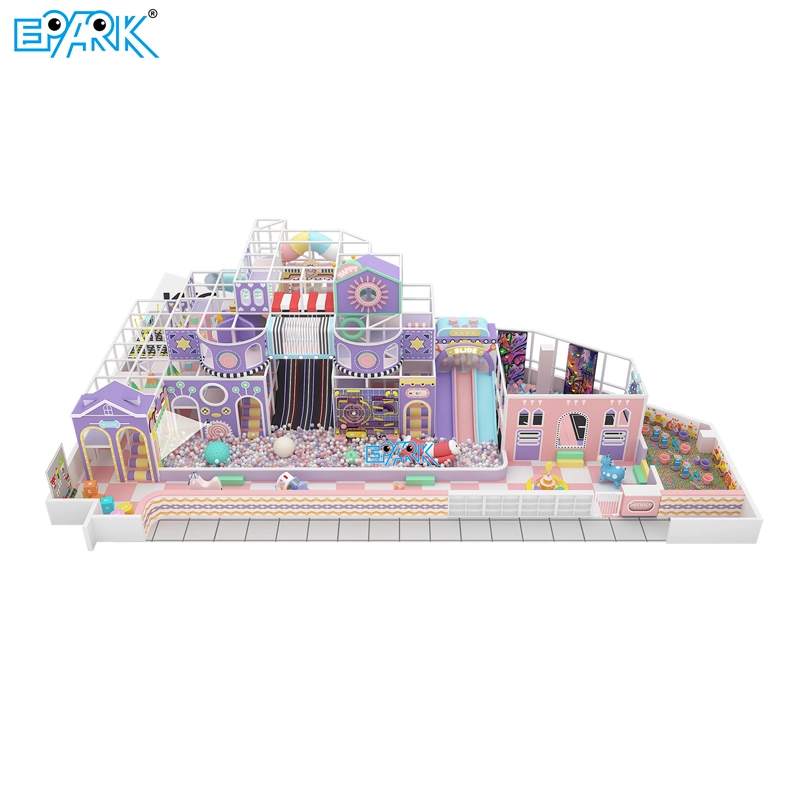
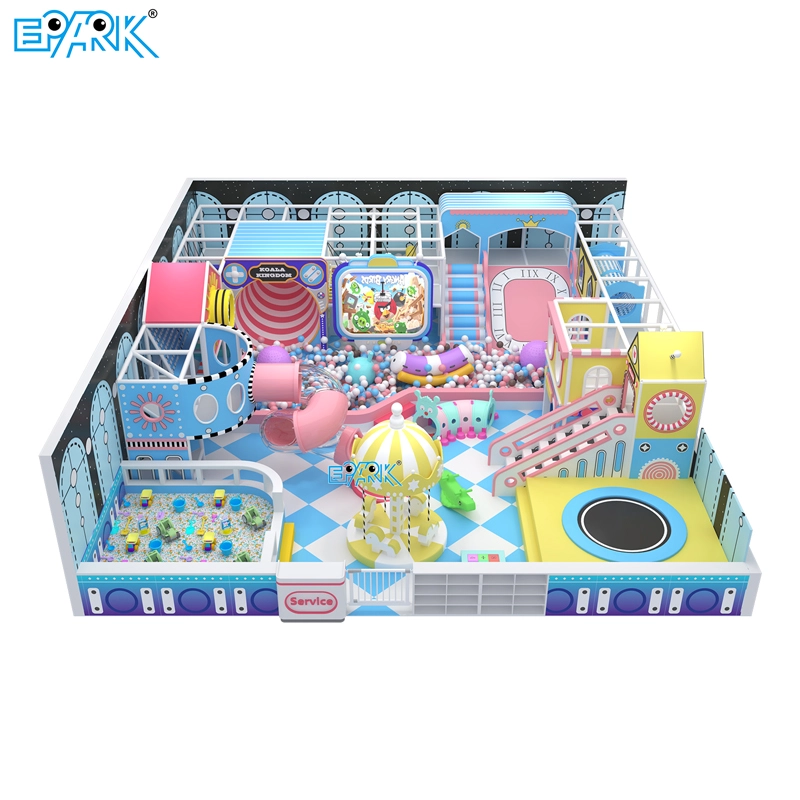
An indoor playground is more than a collection of slides and ball pits—it is a thoughtfully designed space where children can explore, socialize, and develop new skills. To maximize both user satisfaction and business performance, operators must consider layout planning, equipment quality, safety standards, and modern interactive features.
By following these best practices, investors can create an indoor playground that attracts families, encourages repeat visits, and stands out in a competitive market.
Establish Your Vision and Target Audience
Defining your vision is the foundation of every successful indoor playground.
Identify your audience: Consider age groups ranging from toddlers to pre-teens, and design activity zones accordingly. Younger children need soft, low-risk equipment, while older children benefit from challenge-based play.
Choose a theme: Creative themes like space exploration, enchanted forests, or futuristic cities enhance engagement and create memorable experiences for visitors.
Set operational goals: Decide whether your indoor playground will prioritize educational experiences, fitness, or pure entertainment. Clear goals help shape both design and marketing strategies.
Conduct Market Research and Feasibility Analysis
Before committing to a location or investment, thorough research is essential:
Analyze local demand: Evaluate population density, school proximity, and family demographics to determine potential foot traffic.
Study competitors: Assess existing indoor playgrounds in your area, noting strengths, weaknesses, and service gaps you can exploit.
Understand regulations: Compliance with safety standards such as ASTM (US) and EN 1176 (Europe) ensures both legal adherence and credibility with customers.
| Standard | Region | Key Requirements |
|---|---|---|
| ASTM F1918 | US | Impact attenuation, soft surfacing |
| EN 1176 | Europe | Structural safety, fall height limits |
| ISO 9001 | Global | Quality management and certified materials |
Select the Optimal Location
The right location significantly affects accessibility, revenue, and operational efficiency.
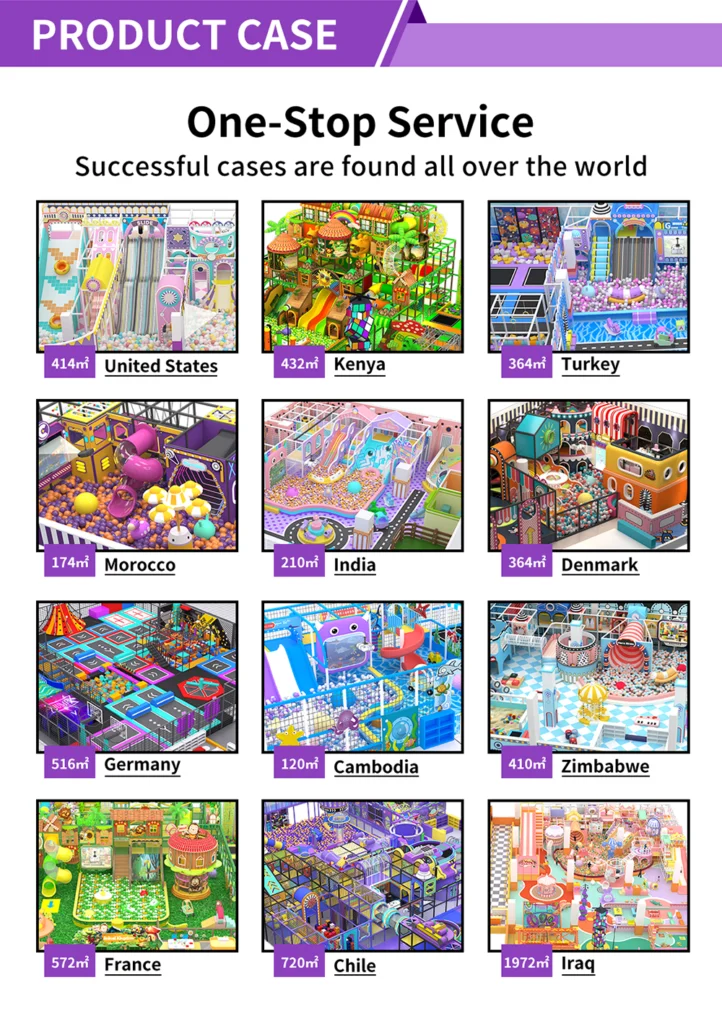
Space requirements: Depending on equipment and zones, indoor playgrounds typically require 200–800 m². High-ceiling spaces (>6 m) are ideal for climbing structures or rope courses.
Visibility and flow: Open layouts allow parents to supervise children and help maintain a smooth circulation.
Accessibility: Prioritize locations near shopping centers, residential areas, or schools, with ample parking and public transportation access.
Design a Dynamic and Safe Layout
Layout design balances creativity, functionality, and safety.
Separate activity zones: Age-appropriate areas reduce accidents and improve the user experience.
Include diverse play types: Physical play (slides, climbing walls), sensory activities (foam pits, tactile panels), and digital elements (AR projections, interactive floors) create engaging experiences.
Incorporate safety measures: Use cushioned flooring, rounded edges, and protective barriers. Proper supervision points and clear signage are also essential.
Learn more about playground layout design
Source High-Quality Equipment
Equipment is a major investment that directly impacts safety and longevity.
Certified manufacturers: Partner with reputable indoor playground manufacturers to ensure compliance with ASTM, EN, and CE standards.
Durable materials: Fire-retardant padding, non-toxic PVC, and reinforced steel structures improve safety and lifespan.
Modular options: Modular designs allow future upgrades without full replacements, saving costs and keeping the playground fresh for visitors.
Prioritize Safety and Compliance
Safety is a non-negotiable aspect of indoor playgrounds.
Equipment standards: Ensure all structures meet required certifications for load capacity, fall zones, and surfacing.
Facility safety: Fire alarms, emergency exits, proper ventilation, and anti-slip flooring are critical.
Routine inspections: Regular checks prevent accidents and maintain a positive reputation with families.
Integrate Technology and Interactive Features
Modern indoor playgrounds increasingly incorporate digital and interactive elements to enhance engagement:
Motion-activated games: Encourage active play while introducing gamified challenges.
AR and projection systems: Interactive walls and floors make play immersive and fun.
RFID wristbands: Track playtime, manage access, and facilitate cashless transactions.
Gamification: Leaderboards and rewards programs increase return visits and customer loyalty.
Create a Comfortable Parent-Friendly Environment
Parents are decision-makers; their comfort drives longer stays and higher spending.
Seating and supervision: Provide clear sightlines and comfortable seating areas.
Amenities: Wi-Fi, charging stations, lockers, and a café enhance convenience.
Climate and noise control: Sound-absorbing panels and HVAC systems create a pleasant environment for both children and adults
Marketing Strategies to Maximize Exposure
Effective marketing boosts visibility and occupancy rates:
Website and content marketing: Create keyword-optimized pages and blogs targeting “indoor playground” searches.
Packages and memberships: Offer birthday parties, seasonal passes, and loyalty programs.
Community partnerships: Collaborate with schools, kindergartens, and family influencers to promote events.
Gather Feedback and Continuously Improve
Feedback is vital for long-term success:
Digital surveys: Encourage parents to provide feedback through apps or kiosks.
Layout adjustments: Modify zones and activities based on usage data.
Trend adaptation: Update equipment and add seasonal attractions to maintain excitement and relevance.
Conclusion
Building an indoor playground is a complex but rewarding venture. By combining strategic planning, high-quality equipment, interactive technology, and rigorous safety standards, investors and operators can create a space that delights children, satisfies parents, and drives sustainable business growth.
Ready to launch your indoor playground?
EPARK offers custom design services, 3D layout planning, and certified indoor playground equipment tailored to your business needs.