Introduction
Designing a kids’ indoor playground is an exciting project that combines creativity, safety, and business strategy. Unlike outdoor playgrounds that depend on weather and climate, an indoor playground offers a safe, fun, and all-year-round entertainment space for children. Whether you are a parent, a school administrator, or an entrepreneur planning to open a family entertainment center, knowing how to design a kids indoor playground is essential.
.jpg)
In this guide, we will walk you through everything you need to know—from planning the layout, choosing age-appropriate equipment, ensuring safety standards, picking a theme, budgeting, installation, and ongoing maintenance. By the end of this article, you will have a full roadmap for creating a profitable and enjoyable indoor playground.
Step 1: Define Your Goal and Target Audience
Before starting any design work, the first step is to clearly identify why you are building a kids indoor playground and who will use it.
For commercial use: Shopping malls, restaurants, daycare centers, and family entertainment centers often install playgrounds to attract families, increase foot traffic, and improve customer loyalty.
For educational use: Schools and kindergartens may use indoor playgrounds to promote children’s physical development, social interaction, and creativity.
For home or private use: Some families create small indoor playgrounds in their basements or playrooms to give children a safe play space at home.
Understanding your goal will influence the size, design, and budget of your playground. For example, a shopping mall playground must be larger, themed, and commercially attractive, while a school playground may focus more on learning and safe play.
Step 2: Space Planning and Layout Design
Consider the Size of Your Venue
The available space determines what kind of indoor playground you can design. Typical playgrounds range from 100 m² to 1000+ m².
Small venues (under 200 m²): Best for toddler play areas, soft play equipment, and small slides.
Medium venues (200–500 m²): Can include climbing structures, ball pits, interactive games, and seating areas for parents.
Large venues (500+ m²): Suitable for full-scale family entertainment centers with trampolines, climbing walls, obstacle courses, and party rooms.
Zoning by Age Group
To ensure safety and maximize fun, divide your indoor playground into zones based on age groups:
Toddler Zone (1–3 years): Soft mats, small slides, sensory toys.
Kids Zone (4–8 years): Ball pits, climbing frames, obstacle courses.
Older Kids Zone (9–12 years): Rope courses, trampolines, climbing walls.
Traffic Flow and Visibility
Parents should be able to see their children easily. A good design avoids dead corners, creates open sightlines, and includes rest areas where parents can supervise comfortably.
Step 3: Choose a Theme for Your Indoor Playground
Themes play a huge role in making a playground attractive and memorable. Children love immersive experiences, and themed playgrounds encourage imagination and role-play.
Popular themes include:
Jungle Safari: Slides shaped like animals, treehouse climbing structures.
Ocean Adventure: Ball pits as “bubbles,” submarine tunnels, sea creatures.
Space Exploration: Rocket slides, galaxy walls, astronaut role-play zones.
Pirate Ship: Climbing nets, treasure chests, wooden ship design.
Castle/Fantasy: Princess towers, dragon slides, medieval decorations.
A well-chosen theme not only excites kids but also helps businesses stand out in the competitive indoor playground market.
Step 4: Select Age-Appropriate Playground Equipment
Essential Equipment for Kids Indoor Playgrounds
Slides – Available in straight, spiral, or wave designs.
Ball Pits – Always a favorite for toddlers and young kids.
Climbing Frames – Encourage physical activity and problem-solving.
Trampolines – High-energy fun, great for larger venues.
Tunnels and Obstacle Courses – Promote exploration and adventure.
Role-Play Houses – Kitchens, supermarkets, or workshops for imaginative play.
Interactive Panels & Digital Play – Incorporating technology like touch screens or AR.
When choosing equipment, always prioritize safety, durability, and certifications. Reliable suppliers will provide equipment that meets ASTM, EN1176, or CE standards.
Step 5: Safety Standards and Compliance
Nothing is more important than safety in a kids indoor playground. Designing with safety in mind protects children and builds trust with parents.
Key safety considerations include:
Non-toxic materials: Foam, PVC, and plastics should be free of harmful chemicals.
Soft padding: All hard surfaces must be cushioned to prevent injury.
Rounded corners: No sharp edges that could harm children.
Secure structures: Equipment must be stable and well-anchored.
Emergency exits & fire safety: Clear evacuation routes must be included.
Sanitation: Easy-to-clean materials reduce bacteria and virus risks.
Step 6: Budgeting and Cost Estimation
Designing a kids indoor playground requires careful financial planning.
Small playgrounds (100–200 m²): $20,000 – $50,000.
Medium playgrounds (200–500 m²): $50,000 – $150,000.
Large playgrounds (500+ m²): $150,000 – $500,000+.
Your budget must cover:
Playground equipment
Flooring and safety padding
Installation and construction
Theming and decoration
Lighting and HVAC systems
Ongoing maintenance
Step 7: Installation and Setup
Working with a professional indoor playground manufacturer ensures smooth installation. The process usually involves:
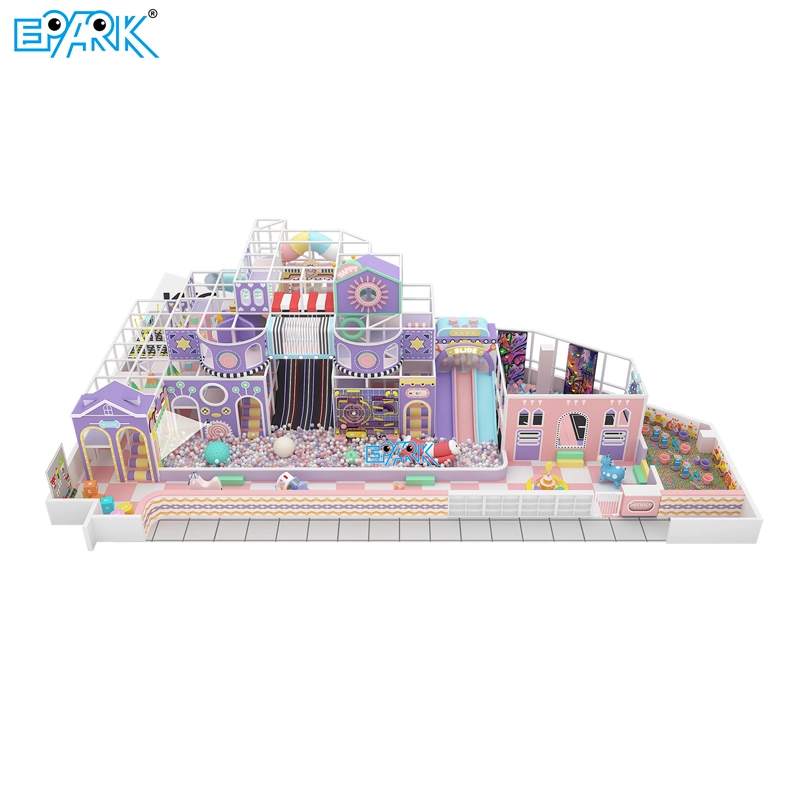
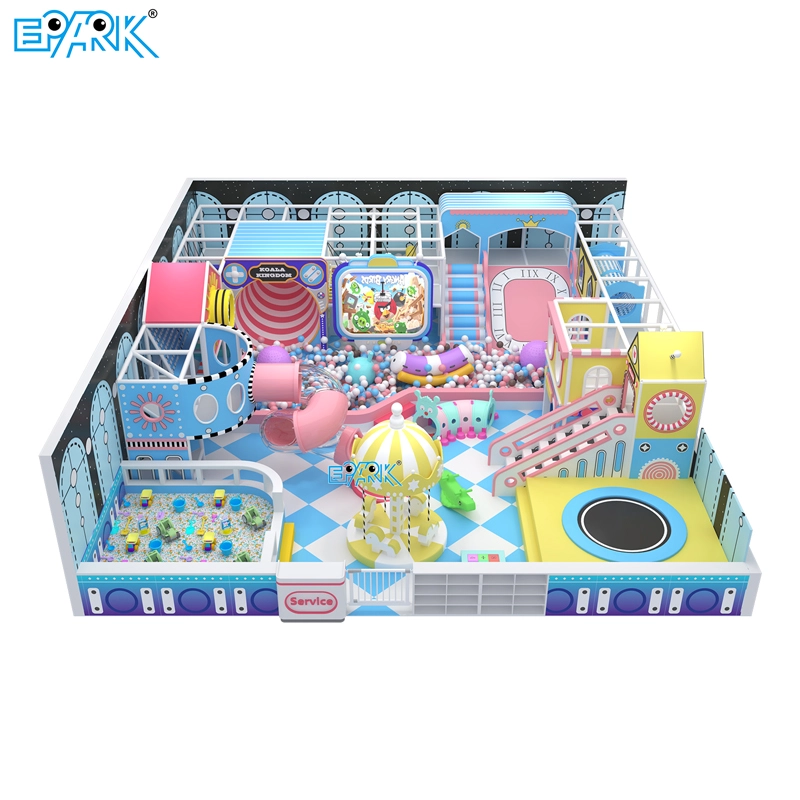
3D Design & Approval – Manufacturer provides a layout plan and 3D model.
Production – Custom equipment is manufactured.
Shipping – Equipment delivered in modular parts.
Installation – Professional team assembles the playground.
Safety Inspection – Final testing before opening to the public.
Step 8: Maintenance and Daily Operations
A well-designed playground requires regular care to remain safe and appealing.
Daily inspections: Check for broken or loose parts.
Cleaning & sanitation: Ball pits, mats, and surfaces should be cleaned frequently.
Staff supervision: Trained staff help ensure kids play safely.
Regular updates: Add new equipment or features to keep the playground exciting.
Step 9: Adding Value with Extra Features
To make your indoor playground more attractive, consider additional features:
Birthday Party Rooms – A major source of extra revenue.
Cafeteria or Snack Bar – Allows parents to relax while kids play.
Interactive Learning Zones – Combine play with education.
Parent Seating Areas with Wi-Fi – Increases customer satisfaction.
Step 10: Marketing Your Indoor Playground
If you are opening a commercial playground, marketing is essential.
SEO & Website Optimization: Rank for keywords like kids indoor playground, indoor playground equipment, indoor soft play supplier.
Social Media Campaigns: Share photos and videos of kids having fun.
Partnerships: Collaborate with schools, daycare centers, and malls.
Membership Programs: Encourage repeat visits with loyalty points.
Event Hosting: Organize holiday parties, workshops, and playdate events.
Conclusion
Designing a kids indoor playground requires a balance between fun, safety, and business strategy. By carefully planning your space, choosing the right equipment, ensuring compliance with safety standards, and implementing smart marketing, you can create a playground that children love and parents trust.
Whether you’re designing a small toddler play area or a large-scale family entertainment center, the steps outlined in this guide provide a clear path to success.
Investing in a well-designed indoor playground not only benefits children’s physical and mental development but also creates profitable opportunities for businesses in the entertainment and education sectors.