Table of Contents
Why Mall Playgrounds Matter for Modern Retail Spaces
Modern shopping malls are no longer designed solely for retail transactions. As consumer behavior shifts toward experience-driven destinations, mall playgrounds have become a critical component of successful commercial developments.
A well-designed mall playground transforms a shopping center into a family-friendly environment. It attracts parents with children, increases dwell time, and improves overall tenant performance. For B2B stakeholders, including mall owners, developers, and investors, playgrounds are not decorative features—they are strategic revenue assets.
This article explains how to design a mall playground from a commercial perspective. It focuses on professional planning, safety compliance, and two proven layouts: a large indoor playground on the first floor and a compact play area next to dining zones.
Understanding the Role of a Mall Indoor Playground
What Is a Mall Playground?
A mall playground is a commercial indoor play facility integrated into a shopping mall environment. Unlike standalone indoor playgrounds, mall-based playgrounds must align with mall traffic flow, architectural constraints, and operational policies.
Most mall playgrounds serve children aged 2 to 12 and use indoor playground equipment such as soft play structures, slides, climbing frames, and interactive elements. These systems are designed for high-frequency use and must meet international safety standards.
From a business standpoint, a mall playground functions as a traffic magnet that supports surrounding retail and food tenants.
Business Benefits for Mall Owners and Operators
One of the strongest advantages of a commercial playground in a mall is extended customer dwell time. Families stay longer when children are entertained, which directly increases spending across multiple stores.
Mall playgrounds also encourage repeat visits. Parents are more likely to return to shopping centers that offer safe, engaging children’s play areas. Over time, this builds brand loyalty for the mall itself.
In addition, playgrounds generate direct income through tickets, memberships, or third-party leasing models, making them a flexible commercial solution.
Key Factors to Consider Before Designing a Mall Indoor Playground
Target Age Groups and Play Value
Successful mall playground design starts with defining target age groups. Toddlers, preschoolers, and older children require different play challenges and safety levels.
High-quality indoor playgrounds combine physical activity with cognitive and sensory play. This improves engagement and increases average playtime, which is essential for revenue performance.
Zoned layouts also reduce safety risks and improve parental confidence.
Safety, Compliance, and Mall Regulations
Safety compliance is mandatory for any indoor playground in a shopping mall. Equipment must meet international standards such as EN 1176 or ASTM F1918, depending on the market.
| Standard | Region | Application |
|---|---|---|
| EN 1176 | Europe | Playground equipment safety |
| ASTM F1918 | USA | Soft-contained play systems |
| GB/T 34272 | China | Indoor playground equipment |
In addition, mall-specific requirements such as fire exits, ceiling height, and load capacity must be addressed during the design phase.
Budget Planning and ROI Expectations
From a B2B perspective, mall playgrounds are long-term investments. Modular indoor playground equipment allows future expansion without major reconstruction.
A balanced budget strategy focuses on durability, maintenance efficiency, and revenue per square meter rather than lowest initial cost.
How to Design a Large Indoor Playground on the First Floor of a Mall
Why the First Floor Is Ideal
First-floor locations offer maximum visibility and easy access. Families with strollers prefer ground-level attractions, making this location ideal for a large indoor playground.
From a commercial standpoint, a first-floor playground acts as an anchor, redistributing traffic throughout the mall.
Space Planning and Layout Design
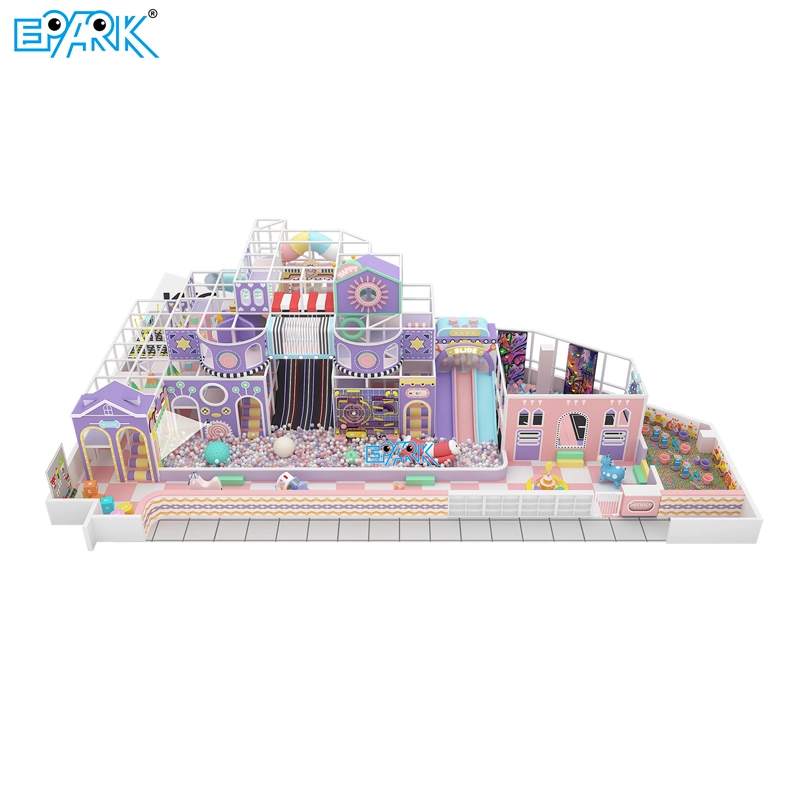
Large mall playgrounds usually range from 500 to 2,000 square meters. Open layouts improve supervision and reduce congestion during peak hours.
Functional zoning—such as climbing zones, slide zones, and rest areas—improves safety and operational efficiency.
You can explore modular layout examples on our
Indoor Playground Equipment Solutions page.
Equipment Selection for High-Capacity Use
High-traffic mall playgrounds require commercial-grade indoor playground equipment. Steel frames, high-density foam, and wear-resistant materials extend lifespan.
Popular elements include multi-level climbing systems, obstacle courses, and large slides, all designed to support continuous use.
Designing an Indoor Playground Next to Dining Areas
Why Playgrounds Near Restaurants Work
Playgrounds near dining areas solve a key family pain point: keeping children occupied while adults eat. This increases dining duration and average spend.
For mall operators, these compact indoor playgrounds enhance F&B tenant performance.
Compact Playground Design for Limited Spaces
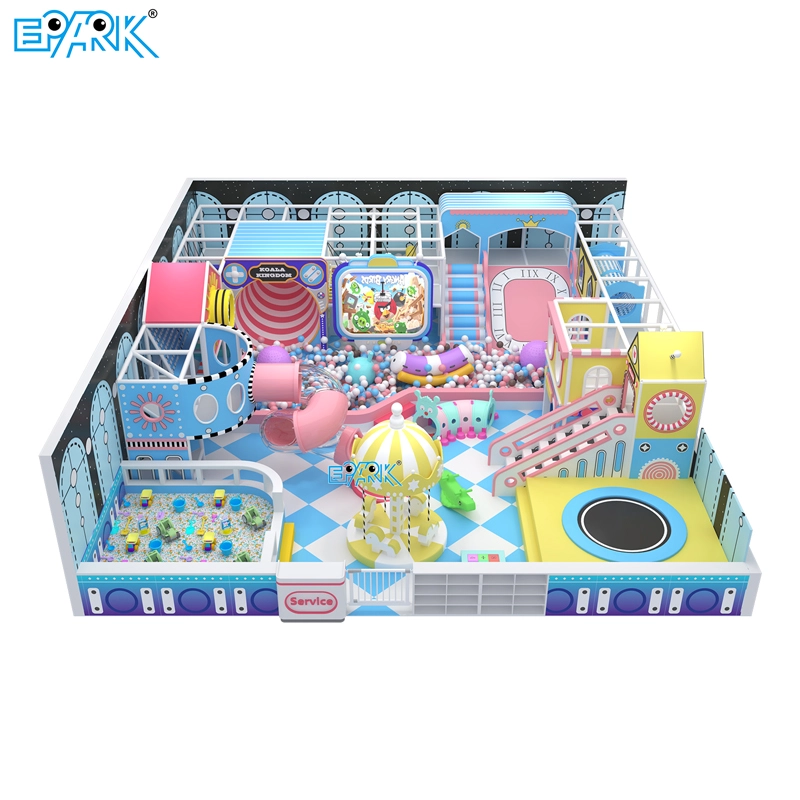
Dining-area playgrounds typically use soft play equipment and interactive panels. These features provide engagement without excessive noise or movement.
Transparent structures maintain visual contact between parents and children, improving safety perception.
Safety and Noise Control Considerations
Noise control is essential near restaurants. Designers often use sound-absorbing panels and enclosed play structures.
Safety gates, padded flooring, and age-appropriate equipment ensure compliance and tenant satisfaction.
-17-862x1024.webp)
Customization and Theming for Different Mall Concepts
Family-Oriented vs. High-End Malls
Family malls favor colorful themes and high-capacity designs, while premium malls prefer neutral tones and architectural integration.
Customized mall playground design ensures alignment with brand positioning.
Seasonal and Modular Design Options
Modular playground systems allow seasonal updates without full renovation. This flexibility supports long-term competitiveness.
Learn more in our related article:
OEM & ODM Indoor Playground Solutions
Working with a Professional Indoor Playground Manufacturer
Why OEM & ODM Capabilities Matter
OEM and ODM services ensure playgrounds fit exact floor plans and operational goals. Customization improves space utilization and ROI.
Professional manufacturers also provide 3D designs, compliance documents, and installation support.
From Concept to Installation
A complete playground project includes concept design, engineering, production, installation, and after-sales service.
Reliable maintenance support ensures long-term safety and performance.
Designing a Mall Playground That Delivers Long-Term Value
A well-planned mall playground increases foot traffic, improves tenant revenue, and strengthens customer loyalty. Whether building a large first-floor indoor playground or a compact dining-area play zone, strategic design is essential.
For B2B decision-makers, investing in a professional indoor playground solution delivers measurable long-term returns.
Start Your Mall Playground Project Today
If you are planning a mall playground, partnering with an experienced indoor playground manufacturer is key.
Contact us today to receive a customized design proposal, technical consultation, or detailed quotation for your shopping mall project.