How to Write a Successful Business Plan for Your Children’s Indoor Playground
Starting a children’s indoor playground business requires careful planning, market research, and strategic thinking. A well-prepared playground business plan helps you understand your target audience, market demand, and operational strategies to ensure long-term success.
1. Executive Summary
Define your business name, location, mission, and unique selling points. For example: “To provide a safe, fun, and educational indoor playground experience for children in [City Name].” Outline your vision and short-term and long-term goals for growth.
2. Business Description
Describe the types of play areas, themes (educational, adventure, sports), and the experience you aim to provide. Include your business structure (LLC, partnership, etc.) and any legal considerations such as safety standards and insurance.
3. Market Research
Analyze industry trends, local competitors, and customer demographics. Identify your target market—toddlers, preschoolers, parents, schools, and daycare centers—and evaluate demand for an indoor playground in your area. Highlight your unique offerings that differentiate your playground from others.
4. Services and Offerings
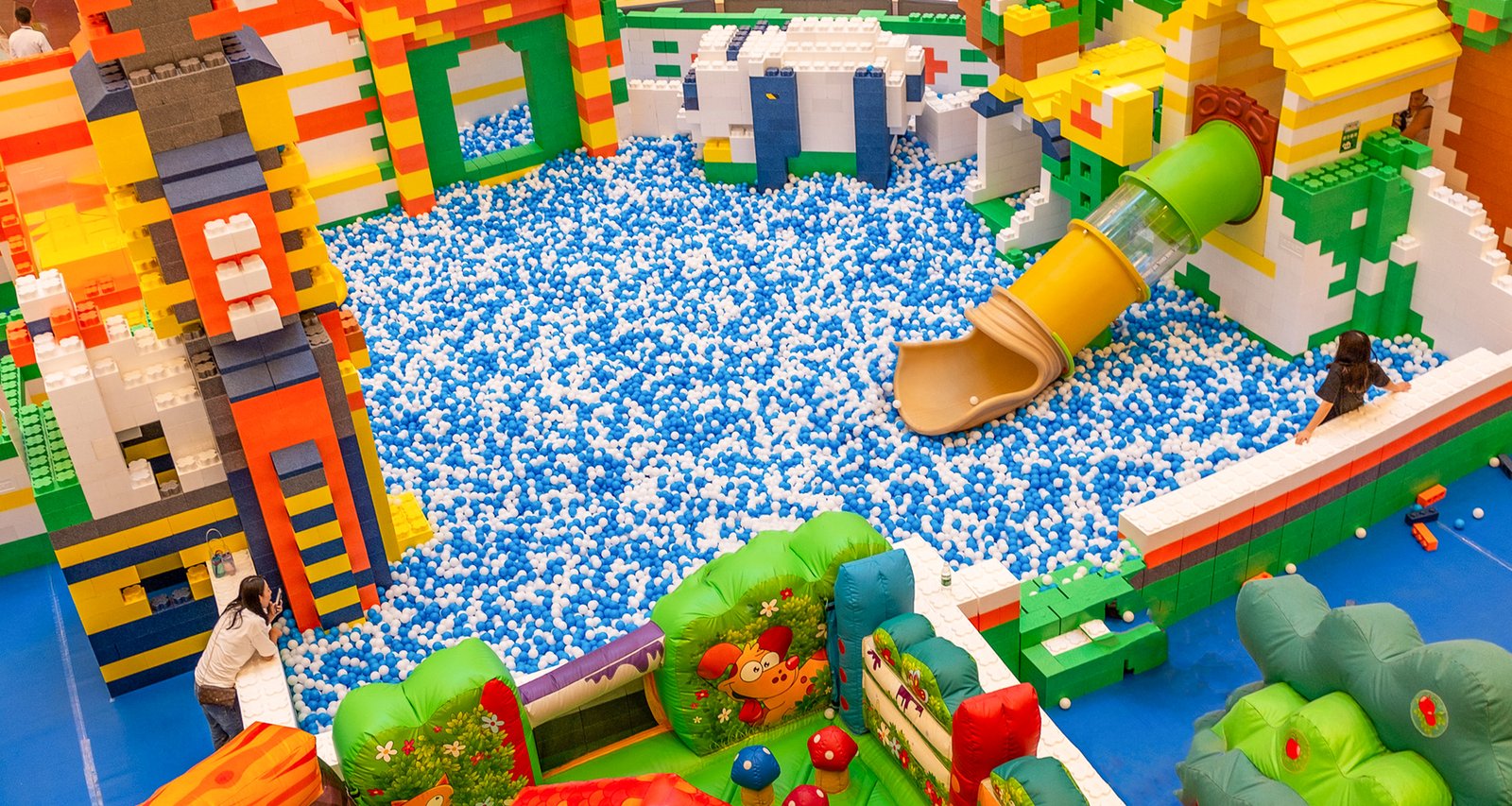
Detail play zones, educational activities, party rooms, and specialized areas like toddler or sensory play sections. Explain your pricing model, additional services, and safety measures to ensure children’s wellbeing.
5. Marketing Strategy
Develop your brand identity, online presence, and advertising plan. Use social media, local promotions, and partnerships to attract customers. Include strategies to retain families, such as membership programs, birthday packages, and loyalty discounts.
6. Operations Plan
Describe your location, facility layout, staffing requirements, and daily operations. Include maintenance schedules and supplier management for equipment, food, or other services.
7. Financial Plan
Estimate startup costs, revenue projections, break-even analysis, and funding requirements. Include a basic profit and loss forecast for the first 1–3 years to demonstrate profitability.
8. Risk Analysis
Identify potential challenges like economic fluctuations, seasonal demand, safety concerns, or competition. Develop contingency plans to mitigate risks and maintain business continuity.
9. Appendices
Include supporting documents such as market surveys, detailed financial projections, playground designs, or staff resumes.
Tips for Success
Focus on safety, customer experience, and realistic financial projections. A great indoor playground prioritizes fun and education for children while providing peace of mind for parents.
By following this step-by-step guide, you can create a comprehensive indoor playground startup plan that attracts customers, ensures safety, and maximizes profitability.