Introduction
In recent years, the global family entertainment industry has grown rapidly, and one business model that continues to attract investors is the indoor playground. From shopping malls to standalone entertainment venues, indoor play centers are becoming a popular destination for families looking for safe and engaging activities for children.
Unlike outdoor amusement parks, an indoor playground operates year-round and is not affected by weather conditions. This stability makes it an attractive investment for entrepreneurs, mall developers, and operators of family entertainment centers (FECs). Many investors are now exploring whether opening an indoor play center can generate sustainable profits.
However, before launching a project, investors must understand the revenue potential, startup costs, and expected return on investment (ROI). Factors such as location, equipment quality, marketing strategy, and operational management all influence long-term profitability.
In this guide, we will analyze the indoor playground business model, explore its main revenue streams, examine startup costs, and evaluate how long it typically takes to recover the investment. If you are considering starting a kids play area or expanding a family entertainment venue, this analysis will help you make a more informed decision.
Understanding the Indoor Playground Business Model
An indoor playground is a recreational facility designed primarily for children aged 2–12. These venues feature padded play structures, slides, climbing frames, ball pits, and interactive play elements that encourage physical activity and social interaction.
Most indoor playgrounds are installed inside:
Shopping malls
Family entertainment centers
Community recreation centers
Standalone entertainment venues
Because of their modular design, soft play equipment can be customized to fit different venue sizes and themes. This flexibility allows operators to create a unique indoor play environment tailored to their local market.
Typical Indoor Playground Attractions
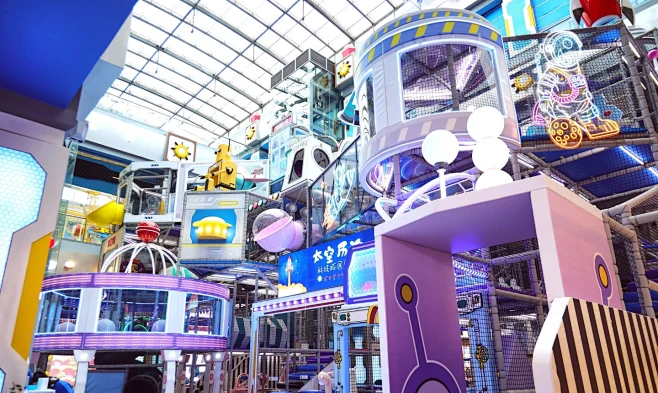
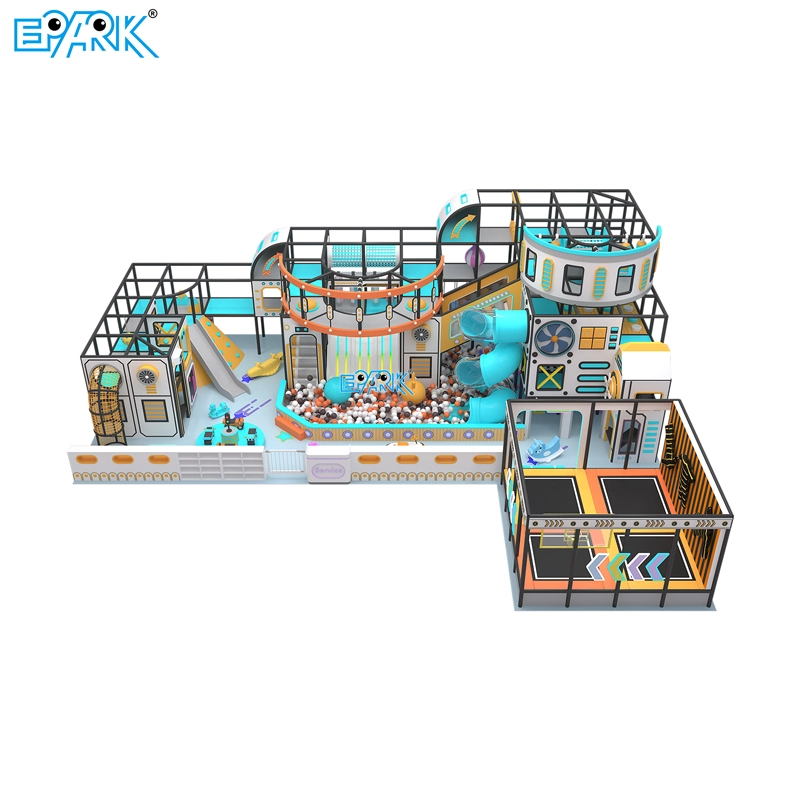
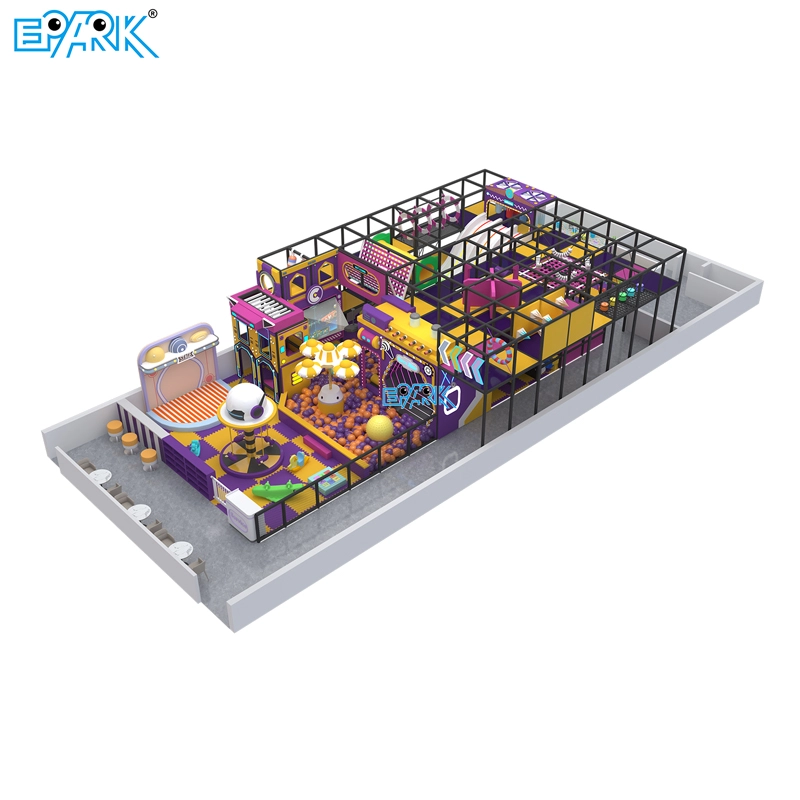
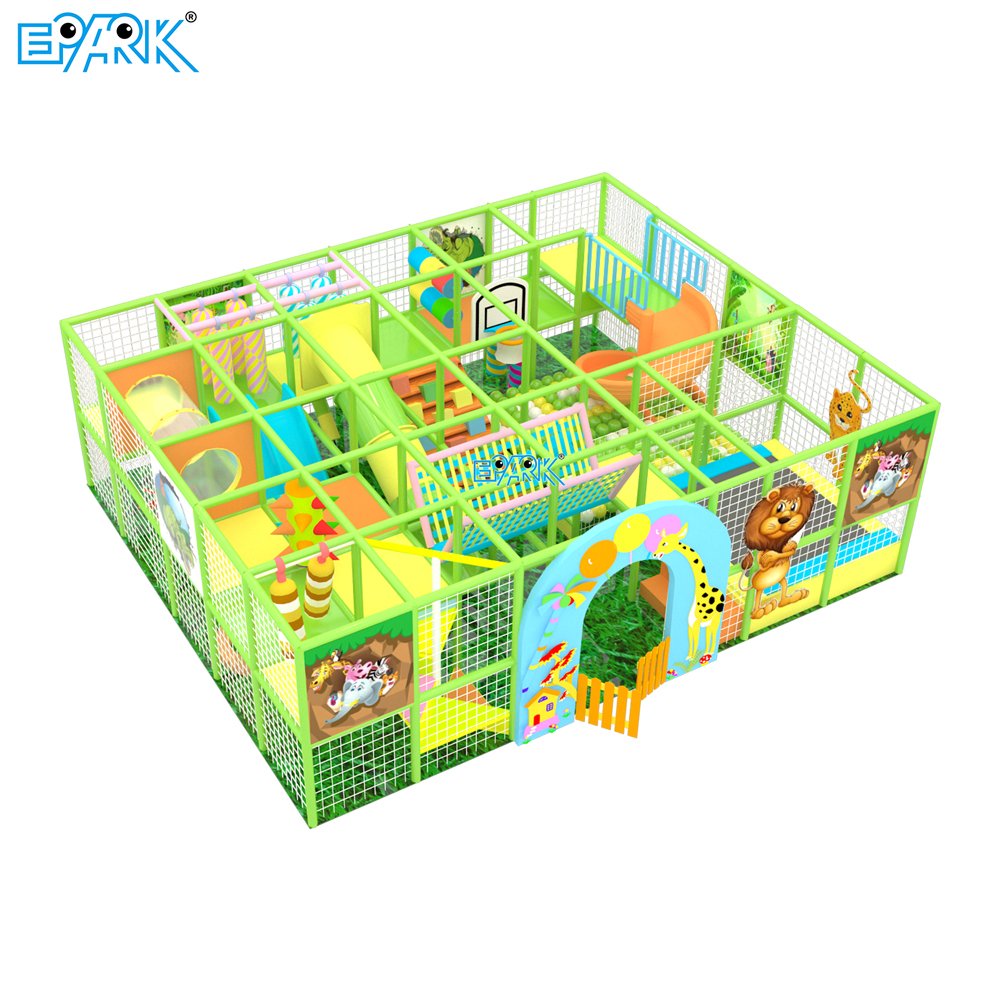
Modern indoor play centers combine multiple attractions to keep children engaged for longer periods. A well-designed indoor playground typically includes:
Multi-level soft play structures
Ball pits and interactive play zones
Tube slides or spiral slides
Climbing nets and obstacle courses
Toddler play areas
Trampoline zones
These features encourage children to explore and stay longer, increasing the average spending per visit. High-quality soft play equipment also improves safety and reduces maintenance costs.
For example, you can explore more about equipment options in our guide to
Indoor Playground Equipment Solutions .
 How Indoor Playgrounds Generate Revenue
A successful indoor playground business usually relies on several revenue streams rather than a single source of income. Diversifying revenue helps operators increase profitability and maintain financial stability.
Admission Fees
The primary revenue source for most indoor play centers is ticket sales. Parents typically pay an entrance fee that allows their children to play within the facility for a specific period.
Common pricing models include:
| Pricing Model | Typical Price |
|---|---|
| Hourly ticket | $8 – $15 |
| Unlimited play | $15 – $25 |
| Weekend ticket | $18 – $30 |
In a busy shopping mall location, a medium-sized indoor playground may attract 100–300 visitors per day. This creates a consistent revenue stream, especially during weekends and holidays.
Birthday Parties and Events
Birthday parties are one of the highest-margin services in an indoor playground business. Parents often prefer hosting birthday celebrations in a kids play area because it combines entertainment and convenience.
Typical party packages include:
Private party rooms
Event decorations
Food and beverages
Dedicated staff assistance
Access to the indoor playground equipment
Depending on the location and services provided, birthday party packages usually cost between $200 and $800 per event.
Many indoor play centers host 10 to 20 parties every week, making this a major contributor to overall profits.
Food and Beverage Sales
Food and beverage services can also significantly increase revenue. While children are playing, parents often relax in the seating area and purchase snacks or drinks.
Common offerings include:
Coffee and beverages
Snacks and desserts
Kids meal combos
Ice cream and treats
For many family entertainment centers, food sales account for 15%–30% of total income.
Membership Programs
Membership programs are another effective strategy for increasing customer loyalty. Many indoor playground operators offer monthly or annual membership plans that allow unlimited visits.
Typical pricing:
| Membership Type | Price |
|---|---|
| Monthly membership | $30 – $80 |
| Annual membership | $200 – $500 |
Membership programs create predictable recurring revenue, which improves financial stability.
Additional Entertainment Revenue
Many modern indoor play centers integrate additional attractions such as:
Arcade game machines
Claw machines
Prize redemption games
Merchandise sales
These attractions increase per-customer spending and enhance the overall entertainment experience.
How Much Does It Cost to Open an Indoor Playground?
One reason investors are attracted to the indoor playground industry is the relatively moderate startup cost compared with other amusement businesses.
The total investment varies depending on:
Venue size
Design complexity
Equipment quality
Local construction costs
Major Investment Components
Opening an indoor play center typically requires investment in several areas:
Indoor playground equipment
Venue renovation and decoration
Safety flooring installation
Shipping and installation
Marketing and grand opening promotions
Professional manufacturers often provide customized playground design services, ensuring that every square meter of the venue is used efficiently.
Example Investment Breakdown
Below is a typical cost estimate for a 300–500 m² indoor playground.
| Investment Item | Estimated Cost |
|---|---|
| Indoor playground equipment | $30,000 – $80,000 |
| Decoration and flooring | $20,000 – $50,000 |
| Installation and logistics | $5,000 – $10,000 |
| Marketing and opening | $3,000 – $10,000 |
Estimated total investment:
$60,000 – $150,000
The actual cost may vary depending on the complexity of the playground design and shipping distance from the manufacturer.
Indoor Playground Revenue Example
To understand the financial potential of an indoor playground, let’s examine a simplified revenue scenario.
Monthly Revenue Calculation
Assume the following conditions:
Average ticket price: $15
Daily visitors: 120
Operating days per month: 26
Ticket revenue:
$15 × 120 × 26 = $46,800 per month
Additional revenue streams may include:
| Revenue Source | Monthly Income |
|---|---|
| Birthday parties | $8,000 |
| Food & beverages | $6,000 |
| Memberships | $5,000 |
Estimated total monthly revenue:
Approximately $65,000
In high-traffic locations, indoor playground revenue can be significantly higher.
Indoor Playground ROI and Payback Period
One of the most appealing aspects of investing in an indoor playground is the relatively fast return on investment.
Compared with large amusement parks, indoor play centers require lower capital expenditure and can begin generating revenue soon after opening.
Typical ROI Timeline
For many projects, the investment recovery period ranges from:
8 to 18 months in average locations
6 to 12 months in high-traffic malls
These estimates assume effective marketing and consistent visitor traffic.
Example Profit Scenario
| Financial Metric | Amount |
|---|---|
| Monthly revenue | $65,000 |
| Monthly operating costs | $35,000 |
| Monthly net profit | $30,000 |
If the initial investment is $120,000, the payback period could be approximately 4 to 12 months under optimal conditions.
While results vary by market, this example demonstrates the strong profit potential of a well-managed indoor play center.