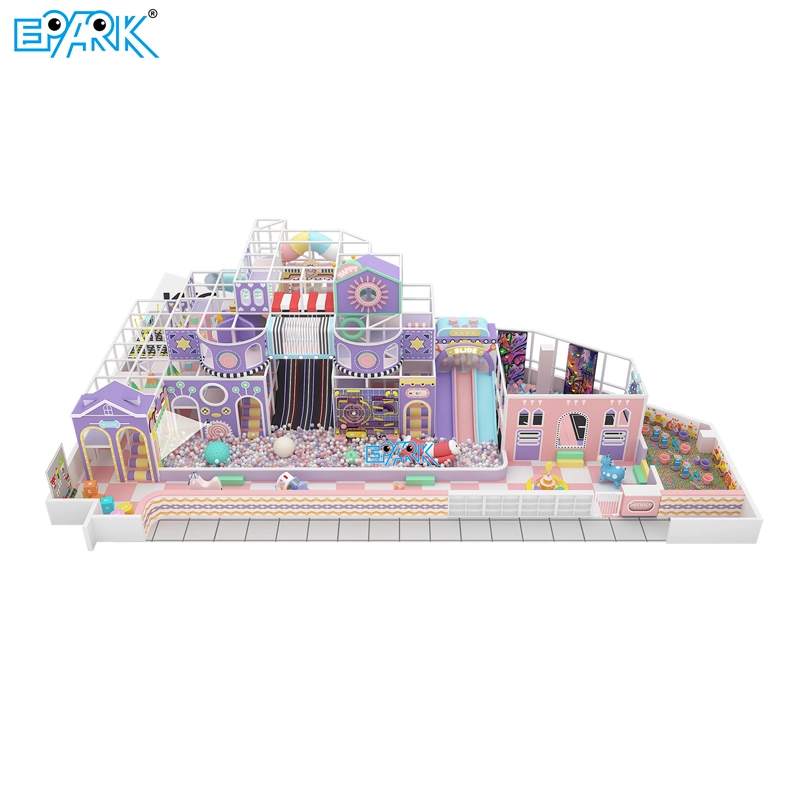
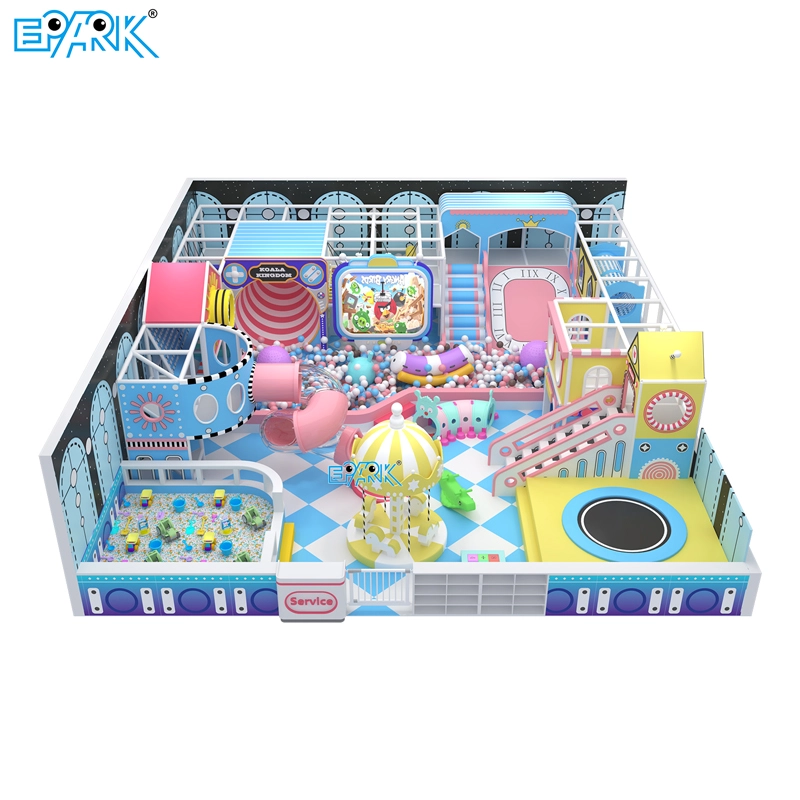
Introduction: Why Independent Indoor Playgrounds Are Gaining Momentum
The global indoor playground industry continues to grow as families seek safe, weather-independent entertainment spaces for children. From shopping malls to family entertainment centers (FECs), indoor playgrounds have become a proven traffic driver and revenue generator.
For many investors, the default assumption has long been that franchising is the safest way to enter the indoor playground business. However, experienced operators are increasingly choosing to open an indoor playground without a franchise to gain more flexibility, reduce costs, and build their own brand.
By working directly with a professional indoor playground manufacturer such as Dreamland Playground, investors can design a custom indoor playground that meets local market needs—without paying franchise fees or sacrificing safety standards.
This guide explains how to launch an indoor playground independently, covering strategy, cost control, safety compliance, and long-term profitability.
Franchise vs. Independent Indoor Playground: A Clear Business Comparison
The Real Cost of Indoor Playground Franchises
Franchised indoor playgrounds often involve more than just equipment costs. Typical franchise-related expenses include:
Initial franchise licensing fees
Mandatory design templates and suppliers
Ongoing royalties based on revenue
Marketing fund contributions
Contractual upgrade requirements
These recurring costs can significantly impact cash flow and slow down ROI—especially for small and medium-sized indoor playground businesses.
Why Opening an Indoor Playground Without a Franchise Makes Sense
Choosing a non-franchise model allows operators to:
Control branding, pricing, and customer experience
Customize layouts and play equipment
Adapt quickly to local demand
Retain 100% of profits
For long-term investors, opening an indoor playground without a franchise often results in stronger margins and greater scalability.
Related reading:
How Much Does It Cost to Build an Indoor Playground?
Is a Non-Franchise Indoor Playground Right for Your Project?
Ideal Business Scenarios for Independent Indoor Playgrounds
Independent indoor playgrounds are especially suitable for:
Shopping malls seeking higher dwell time
Family entertainment centers (FECs)
Early education and childcare facilities
Real estate developers and mixed-use projects
In these cases, flexibility and customization are often more valuable than a franchise name.
Addressing Common Investor Concerns
Some investors worry about operating an indoor playground without a franchise due to concerns about branding, safety, or management experience. These challenges can be mitigated by partnering with an experienced indoor playground equipment supplier that offers design guidance, safety certification, and technical support.
Step-by-Step Guide to Opening an Indoor Playground Without a Franchise
Step 1: Market Research and Concept Positioning
Every successful indoor playground business begins with research. Key factors include:
Local population and age structure
Competitor playground size and pricing
Preferred play types (soft play, trampoline, adventure play)
Defining your target audience early helps streamline design and equipment selection.
Step 2: Business Planning and Financial Forecasting
A solid business plan should outline:
Initial investment and operating costs
Revenue streams and pricing strategy
Break-even timeline
Cost Structure Comparison
| Cost Item | Franchise Model | Independent Model |
|---|---|---|
| Franchise Fee | High | None |
| Equipment | Fixed package | Custom selection |
| Royalties | Ongoing | None |
| Branding | Restricted | Fully owned |
Opening an indoor playground without a franchise typically allows faster capital recovery.
Step 3: Location Selection and Space Planning
The success of an indoor playground depends heavily on location. Important considerations include:
Accessibility and parking
Ceiling height (minimum 4–6 meters for adventure zones)
Fire exits and evacuation routes
Load-bearing capacity
A qualified indoor playground manufacturer can assist with space evaluation and zoning.
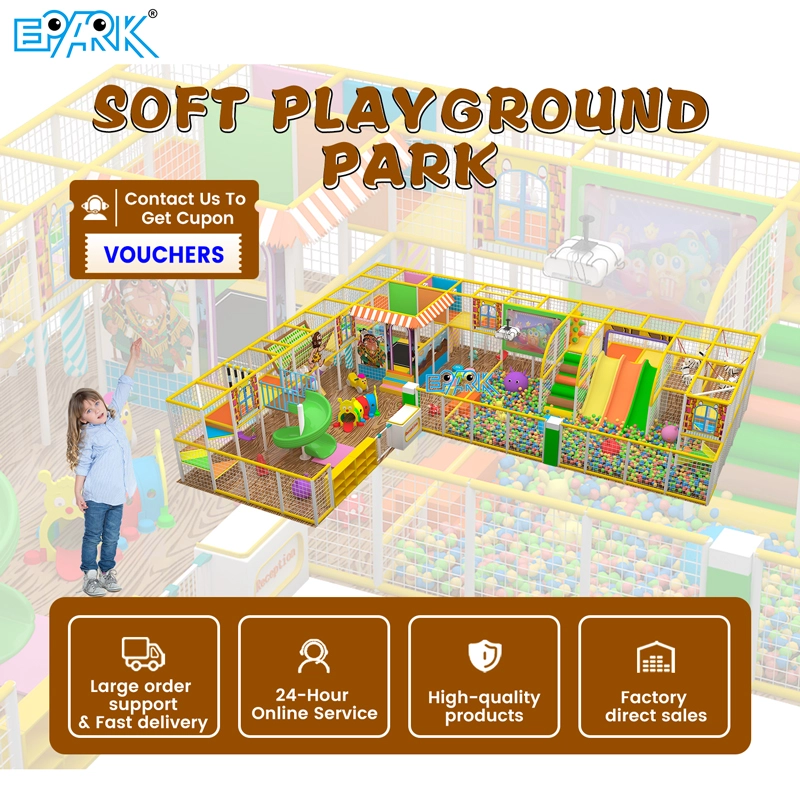
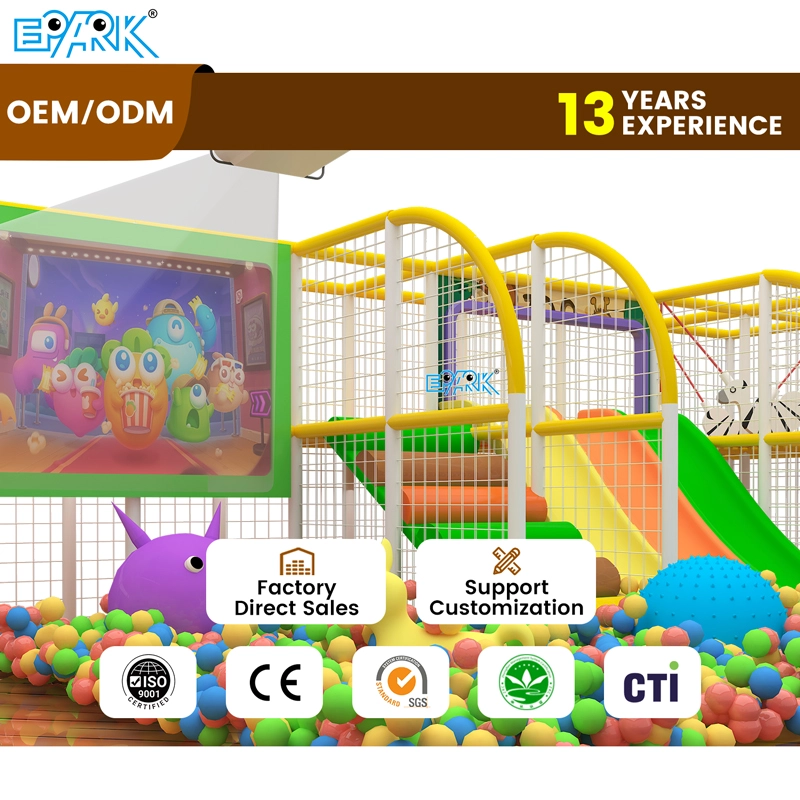
Step 4: Choosing the Right Indoor Playground Manufacturer
Instead of relying on a franchise supplier, independent operators should partner directly with a manufacturer offering:
OEM & ODM customization
International safety compliance
Engineering drawings and installation guidance
After-sales technical support
Dreamland Playground provides one-stop indoor playground solutions, from concept design to installation.
Explore our solutions:
Custom Indoor Playground Equipment
Step 5: Safety Standards and Compliance
Safety is critical when opening an indoor playground without a franchise. Equipment should comply with global standards such as:
| Standard | Region | Application |
|---|---|---|
| ASTM F1918 | USA | Soft play systems |
| ASTM F2970 | USA | Trampoline parks |
| EN 1176 / 1177 | Europe | Playground safety |
| ISO 9001 | Global | Manufacturing quality |
Daily inspections, staff training, and maintenance schedules are equally important.
Step 6: Designing Multiple Play Zones
To attract different age groups and maximize revenue, most indoor playgrounds include:
Toddler soft play zones
Trampoline or jumping areas
Ninja obstacle courses
Climbing walls or rope courses
Party rooms and rest areas
Clear zoning improves safety and customer flow.
Cost, ROI, and Profitability of Independent Indoor Playgrounds
Typical Investment Range
The cost of opening an indoor playground without a franchise depends on size and complexity:
300–500㎡: USD 80,000–150,000
800–1500㎡: USD 200,000–400,000
2000㎡+: USD 500,000+
Avoiding franchise fees allows more budget for quality equipment and customer experience.
Revenue Streams Beyond Admission Tickets
A profitable indoor playground business relies on diversified income sources:
Entry tickets
Birthday parties and private events
Membership programs
Food & beverage sales
Merchandise
These streams stabilize revenue throughout the year.
Marketing an Indoor Playground Without Franchise Support
Independent playgrounds can outperform franchises locally by using targeted marketing:
SEO-optimized websites for local searches
Social media showcasing real customer experiences
Partnerships with schools and community groups
Loyalty and referral programs
Local relevance often matters more than national branding.
Building a Reliable Indoor Playground Operations Team
Even the best indoor playground equipment requires skilled staff. A strong team should include:
Safety supervisors
Play area attendants
Event coordinators
Front desk and F&B staff
Training should focus on safety procedures, customer service, and emergency response.
Why Dreamland Playground Is the Ideal Partner for Independent Projects
Dreamland Playground supports investors who want to open an indoor playground without a franchise by providing:
Fully customized playground designs
Certified indoor playground equipment
Global project experience
Long-term technical support
Rather than selling standardized packages, Dreamland focuses on building sustainable, profitable indoor playground businesses.
-14-862x1024.webp)
Conclusion: Own Your Brand, Control Your Growth
Opening an indoor playground without a franchise offers clear advantages—lower costs, higher flexibility, and full brand ownership. With proper planning and the right indoor playground manufacturer, independent operators can achieve faster ROI and long-term success.
By investing in safety, customization, and customer experience, your indoor playground can become a trusted destination for families in your market.
Start Your Indoor Playground Project Today
If you are planning to open an indoor playground without a franchise, Dreamland Playground is ready to help.
Contact us today for a free layout proposal, cost estimate, and expert consultation.
Let’s build a custom indoor playground that fits your market—and belongs entirely to you.