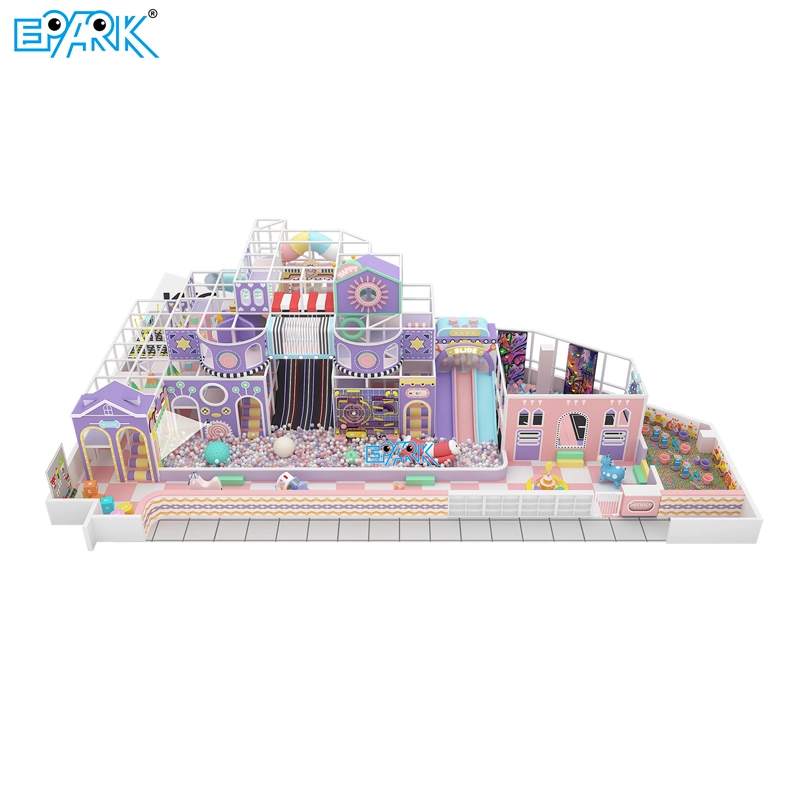
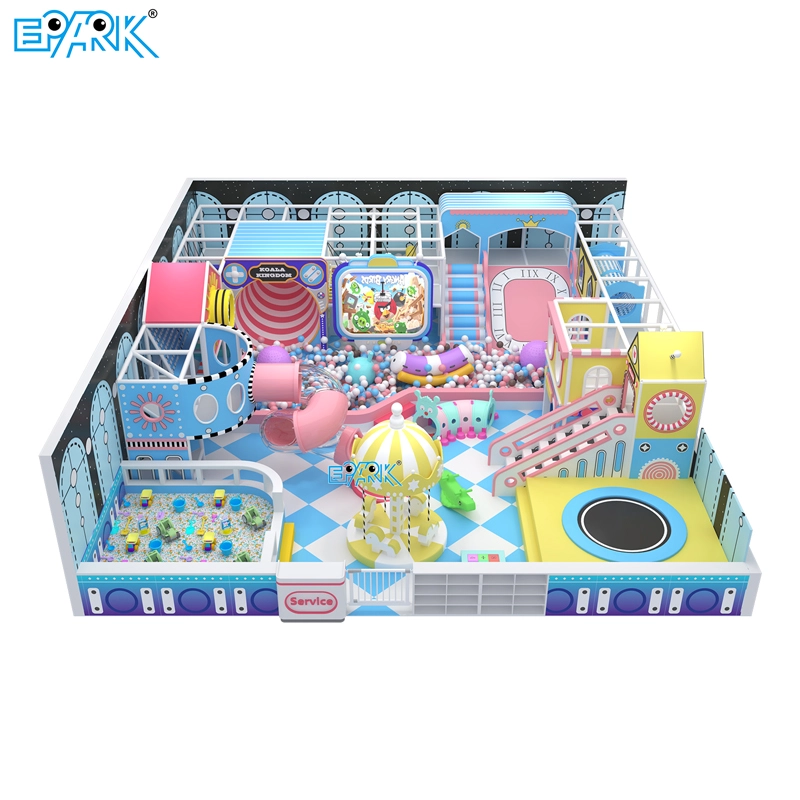
Complete Guide to Kids’ Playground Equipment for Indoor Playground Design
Designing a successful indoor playground requires more than colorful equipment — it demands a well-balanced combination of play structures that support children’s physical, cognitive, social, and emotional development. By grouping playground equipment based on function, operators and designers can create a safe, engaging, and development-focused play environment for children of all ages.
Below is a complete guide to the main types of kids’ playground equipment commonly used in modern indoor playgrounds, along with their benefits and features.
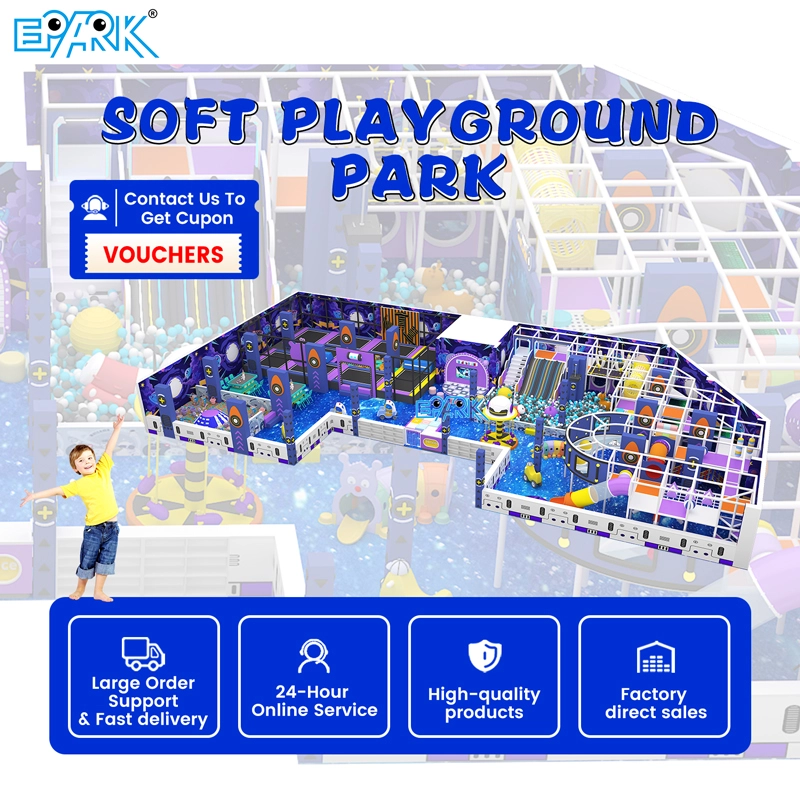
Soft Play & Climbing Structures
Climbing equipment is a core component of any indoor playground, helping children build strength, coordination, and confidence.
Climbing Frames
Multi-level frames with ladders, nets, and ramps improve problem-solving skills and gross motor development.
Rope Climbers & Cargo Nets
These flexible climbing elements enhance grip strength, balance, and core stability.
Rock Climbing Walls
Simulated rock walls promote physical fitness and hand-eye coordination while offering exciting challenges.
Slides for Indoor Playgrounds
Slides add excitement and encourage active movement, making them a must-have in indoor playground design.
Straight Slides – Simple and safe for younger children
Wavy Slides – Gentle curves for added fun
Tube Slides – Enclosed slides that create a tunnel adventure
Multi-Lane Slides – Encourage social interaction and friendly competition
Swing Systems
Swings support vestibular development and are suitable for different age groups.
Traditional belt swings
Bucket swings for toddlers
Tandem swings for cooperative play
Spinning swings to improve balance and spatial awareness
Seesaws & Spring Riders
These elements teach cooperation, timing, and balance.
Traditional seesaws encourage teamwork
Spring riders (animals, vehicles) improve coordination and body control
Merry-Go-Rounds & Spinners
Rotating play equipment helps children develop balance and spatial perception.
Classic merry-go-rounds
Compact spinning discs for smaller indoor playground spaces
Sandbox & Digging Play Areas
Sensory play zones enhance creativity and fine motor skills.
Sandboxes for imaginative play
Interactive digger machines
Sand tables for tactile exploration
Interactive & Sensory Play Equipment
Sensory elements are essential in a well-rounded indoor playground.
Musical play panels (drums, chimes, xylophones)
Water play tables (where applicable)
Texture walls and sensory panels for tactile and auditory stimulation
Balance & Coordination Equipment
Balance-focused equipment improves agility and motor control.
Balance beams
Stepping stones
Dynamic balance swings
Themed & Imaginative Play Structures
Imaginative play enhances creativity and social interaction.
Playhouses and role-play stations
Fortress-style platforms and treehouse designs
Obstacle courses combining climbing, crawling, and sliding
Combo Play Towers & Slide Structures
Multi-functional structures maximize play value within limited indoor playground space.
Multi-level play towers
Rope and bridge walkways
Tunnel slides connecting different zones
-13.webp)
Push & Pedal Ride-On Equipment
Ride-on toys support coordination and active movement.
Tricycles
Pedal cars
Scooters designed for indoor use
Rocking & Motion Play Equipment
Spring-mounted riders
Large rocking boats for group play and teamwork
Social & Educational Play Areas
Cognitive development is equally important in indoor playgrounds.
Large-scale board games (chess, tic-tac-toe)
Mini gymnastics equipment for older children
Inclusive & Accessible Playground Equipment
An inclusive indoor playground ensures every child can participate.
Wheelchair-accessible swings
Inclusive sensory panels and ground-level activities
Tunnels & Crawl Spaces
Crawling activities improve coordination and spatial awareness.
Crawl tunnels
Enclosed tube tunnels for sensory exploration and social play
Conclusion: Designing a High-Quality Indoor Playground
A successful indoor playground combines physical challenges, sensory engagement, social interaction, and inclusive design. By selecting the right mix of playground equipment, operators can create a safe, fun, and development-focused environment that keeps children engaged while meeting modern safety and quality standards.
Whether you’re planning a commercial indoor playground, family entertainment center, or soft play area, choosing the right equipment is the foundation for long-term success.