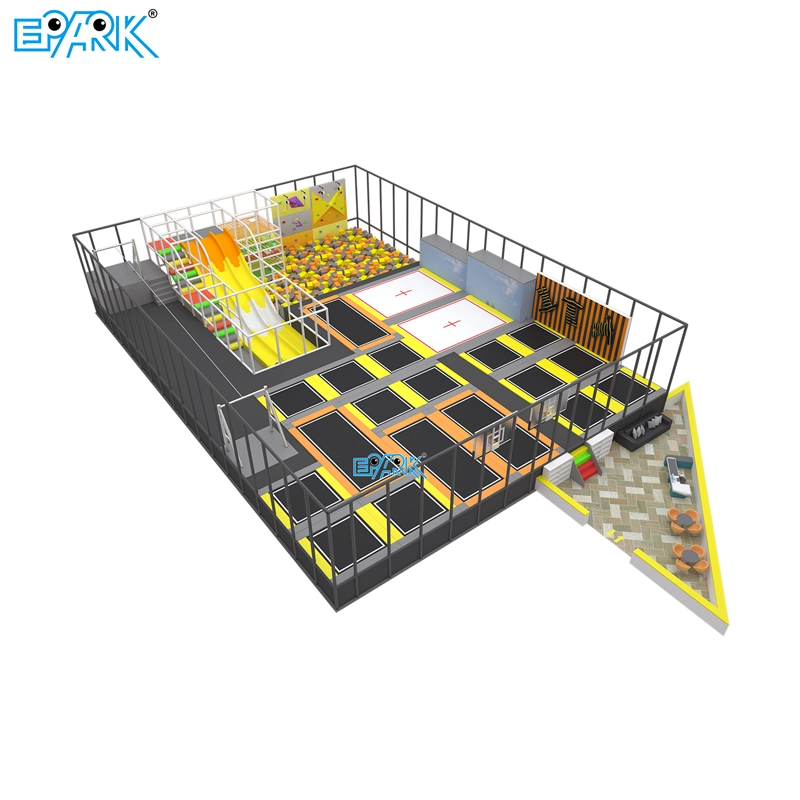
A Complete Guide for Children’s Play Area Indoor Planning
When planning a profitable children’s play area indoor, one key question always comes up:
What is the ideal age group for inside playground equipment?
The answer is not as simple as a single number.
Successful projects don’t target just one age group—they design around multiple age segments using the right inside playground equipment strategy.
Based on 10+ years of industry experience and real project planning, this guide will help you understand how to match inside playground equipment with age groups, improve safety, and maximize ROI in your children’s play area indoor.
Why Age Segmentation Matters in Children’s Play Area Indoor
Age segmentation is the foundation of every successful children’s play area indoor.
Different age groups have completely different:
- Physical abilities
- Safety requirements
- Play preferences
- Spending behaviors
If your inside playground equipment does not match your target users, you will face:
- Low engagement
- Short playtime
- Poor repeat visits
On the other hand, a well-segmented children’s play area indoor can significantly increase revenue and customer satisfaction.
For a deeper strategy breakdown, see:
How to Segment Age Groups for Maximum ROI
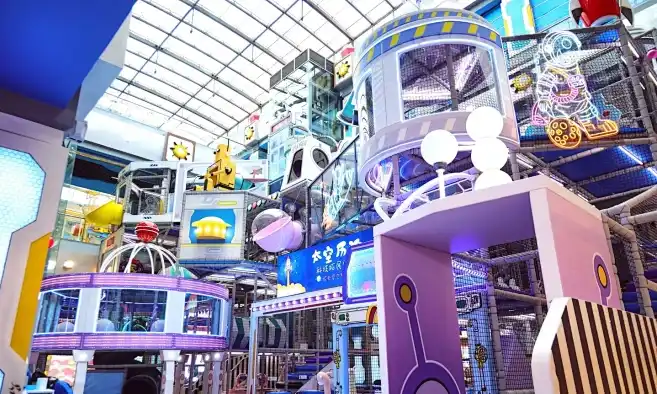 Age Group Breakdown for Inside Playground Equipment
Toddlers (1–3 Years Old)
This is the most sensitive group in any children’s play area indoor.
They require maximum safety and simple sensory stimulation.
Recommended inside playground equipment:
- Soft play structures
- Ball pits
- Mini slides
- Foam obstacles
The key is low height + soft materials.
A separate toddler zone ensures that your children’s play area indoor is safe and parent-friendly.
Expert Insight:
Parents of toddlers prioritize safety over price. High-quality inside playground equipment builds trust and increases conversion.
Preschoolers (3–5 Years Old)
This group is full of curiosity and imagination.
Your children’s play area indoor should encourage exploration and creativity.
Recommended inside playground equipment:
- Themed play systems
- Interactive panels
- Small climbing structures
- Role-play zones
At this stage, inside playground equipment should be colorful and story-driven.
Practical Tip:
Themed designs (jungle, ocean, castle) make your children’s play area indoor more attractive and shareable on social media.
Early School Age (5–7 Years Old)
Children become more active and confident.
They look for challenges inside a children’s play area indoor.
Recommended inside playground equipment:
- Obstacle courses
- Climbing walls
- Tube slides
- Rope elements
This is where your inside playground equipment starts to deliver real engagement value.
Industry Insight:
This age group drives repeat visits. A well-designed children’s play area indoor can significantly increase customer lifetime value.
Older Kids (8–12 Years Old)
Older children need excitement and competition.
Without advanced inside playground equipment, they will quickly lose interest.
Recommended inside playground equipment:
- Ninja courses
- Trampoline zones
- High-level climbing structures
- Interactive games
A modern children’s play area indoor should include these elements to stay competitive.
Expert Tip:
Adding high-challenge inside playground equipment helps you expand your target audience and increase ticket pricing.
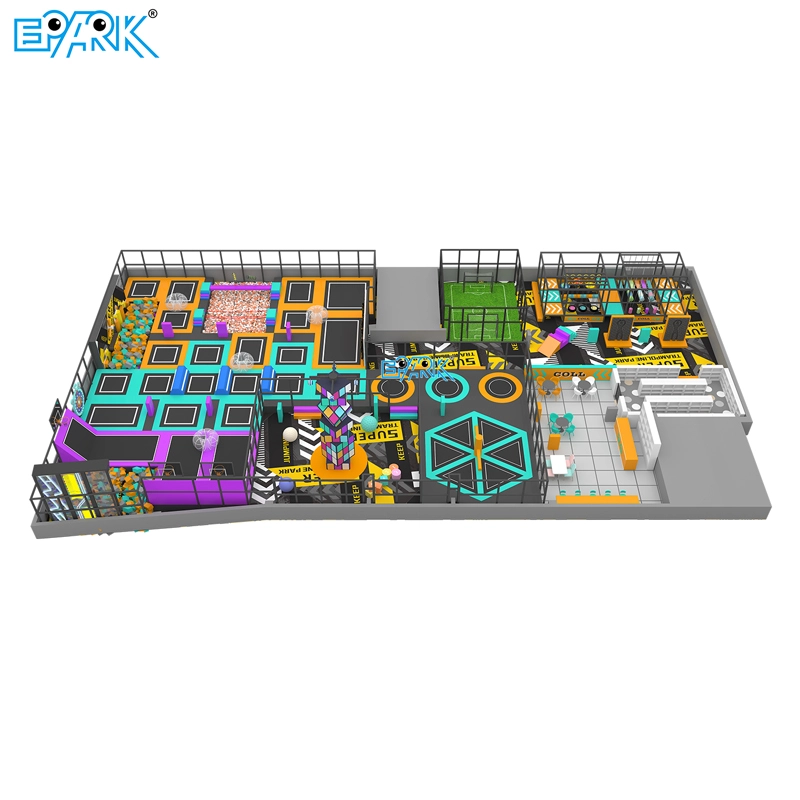
Teens and Adults (Optional Expansion)
Many operators are now expanding beyond traditional children’s play area indoor models.
They include attractions for teens and adults to increase revenue.
Recommended inside playground equipment:
- Trampoline parks
- Arcade machines
- VR experiences
- Fitness-based games
Want to explore this trend?
See:
How to Start a Playground for Adults Business Successfully
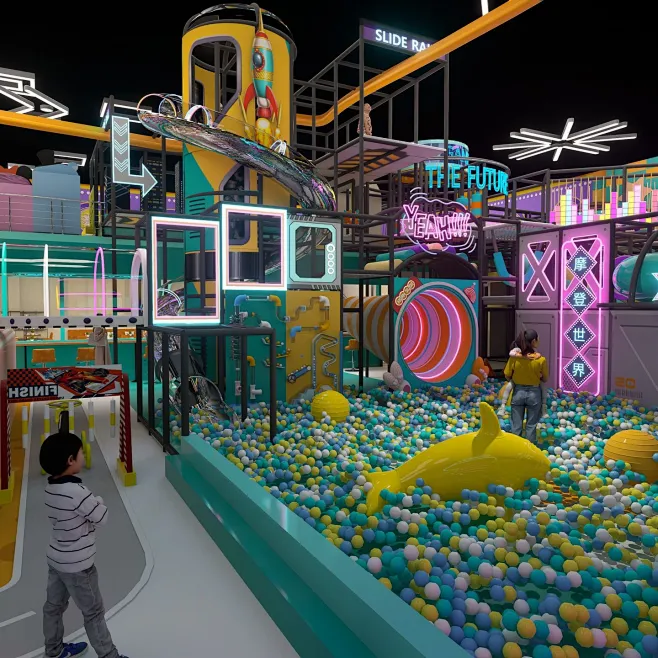 How to Design a Children’s Play Area Indoor by Age Group
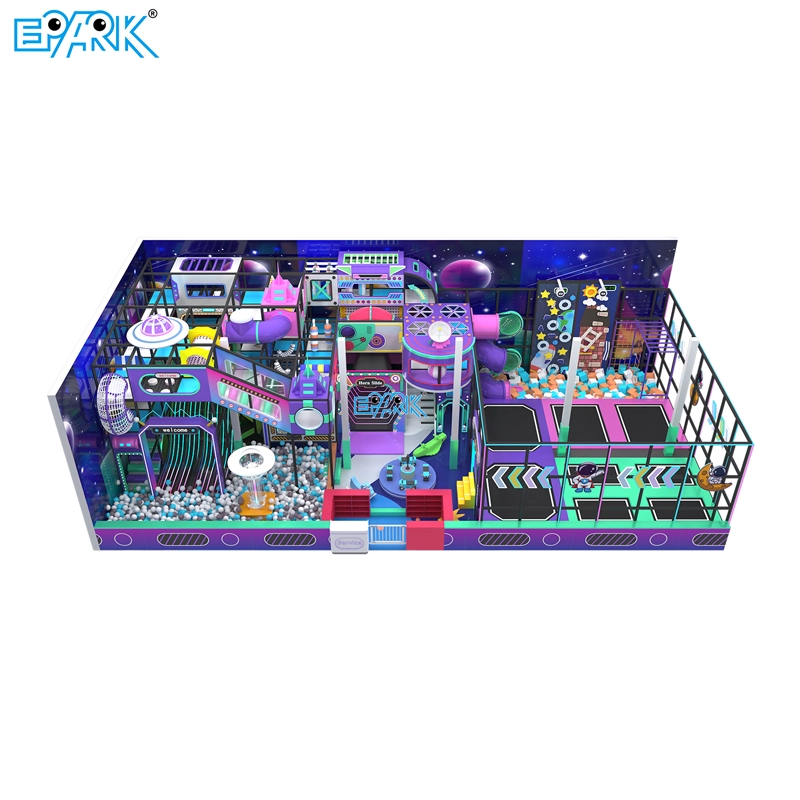
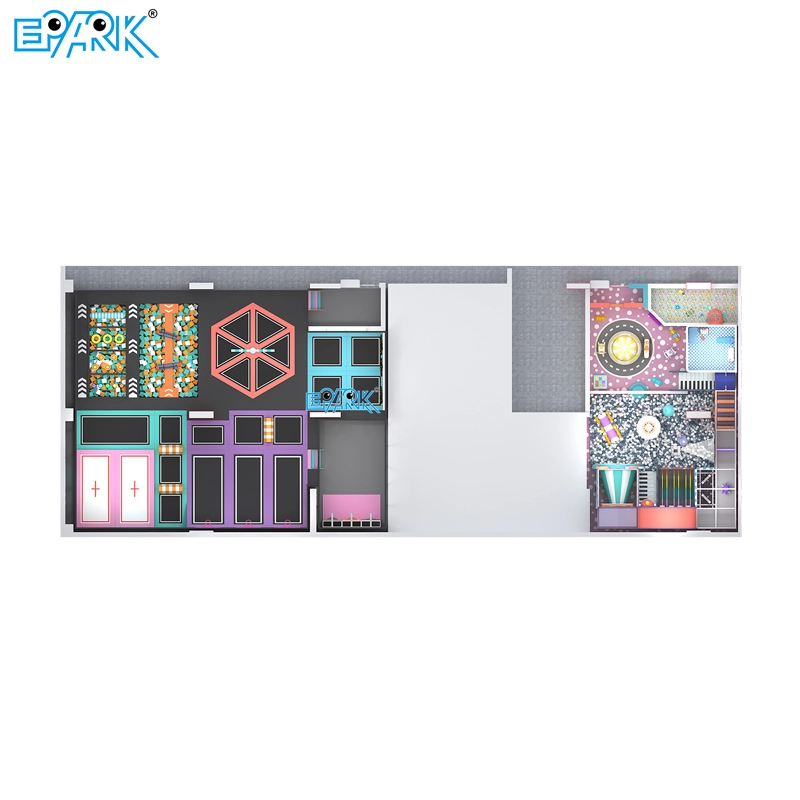
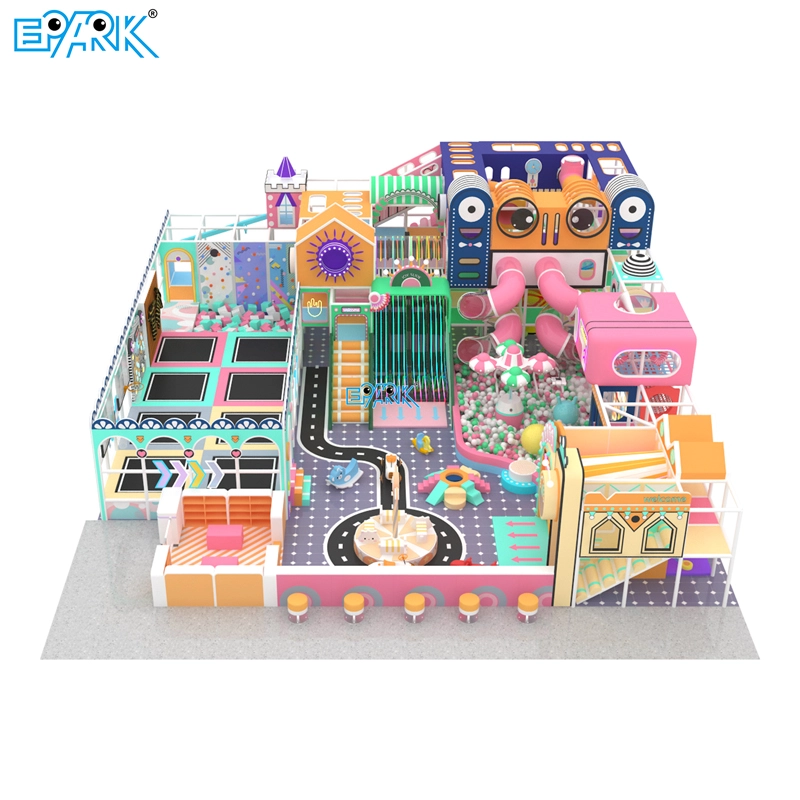
A successful children’s play area indoor is not just about equipment—it’s about layout strategy.
Key Design Principles
Clear Age Zoning
Separate areas for different age groups.
This ensures that each type of inside playground equipment is used safely.
Smooth Traffic Flow
Your children’s play area indoor should guide visitors naturally.
Avoid congestion between zones.
Parent Visibility
Parents should easily monitor children across the entire children’s play area indoor.
Flexible Equipment Design
Choose modular inside playground equipment.
This allows future upgrades without major reinvestment.
For a deeper planning guide, refer to:
What is the age group for inside playground equipment?
Safety Standards for Inside Playground Equipment
Safety is non-negotiable in any children’s play area indoor.
High-quality inside playground equipment should follow international standards such as:
- EN1176
- ASTM
- ISO safety guidelines
Key Safety Features:
- Soft padding
- Rounded edges
- Anti-slip surfaces
- Height-appropriate structures
Cost and ROI of Inside Playground Equipment
From a business perspective, the right inside playground equipment directly impacts ROI.
Key Cost Factors:
- Project size
- Equipment type
- Customization level
ROI Drivers:
- Multi-age coverage
- Longer playtime
- Higher ticket value
- Repeat customers
Real Industry Insight:
A diversified children’s play area indoor with multi-level inside playground equipment often achieves faster payback periods (6–18 months depending on market).
Common Mistakes to Avoid
Even experienced investors make mistakes when building a children’s play area indoor.
Avoid these:
- Mixing all age groups in one area
- Choosing low-cost but unsafe inside playground equipment
- Ignoring layout planning
- Lack of scalability
These mistakes can reduce profitability and damage your brand.
Why Professional Planning Matters
Designing a profitable children’s play area indoor requires more than just buying inside playground equipment.
You need:
- Market research
- Age segmentation strategy
- Layout optimization
- Equipment customization
Experience matters.
Working with a professional supplier ensures your children’s play area indoor is both safe and commercially successful.
Conclusion
So, what is the ideal age group for inside playground equipment?
The real answer is:
The most successful children’s play area indoor projects are designed for multiple age groups, using smart zoning and the right mix of inside playground equipment.
By aligning your design with real user behavior and industry best practices, you can create a children’s play area indoor that is:
- Safe
- Engaging
- Highly profitable