Introduction
The global demand for trampoline park entertainment continues to grow, making it one of the most attractive investment opportunities in the indoor amusement industry. For B2B buyers—such as distributors, investors, and family entertainment center operators—understanding what equipment famous trampoline parks use is essential for building a profitable project.
Many buyers struggle with questions like:
What attractions should a trampoline park for kids include?
How do successful parks design zones for both children and adults?
Which equipment delivers the highest return on investment?
In this guide, we break down the exact equipment used in top parks, explain why it works, and show how you can apply the same strategy to your own indoor trampoline park project.
Why Equipment Matters in a Successful Trampoline Park
Enhancing Customer Experience
A modern trampoline park is more than just jumping. It is a multi-attraction entertainment space designed to increase engagement and stay time.
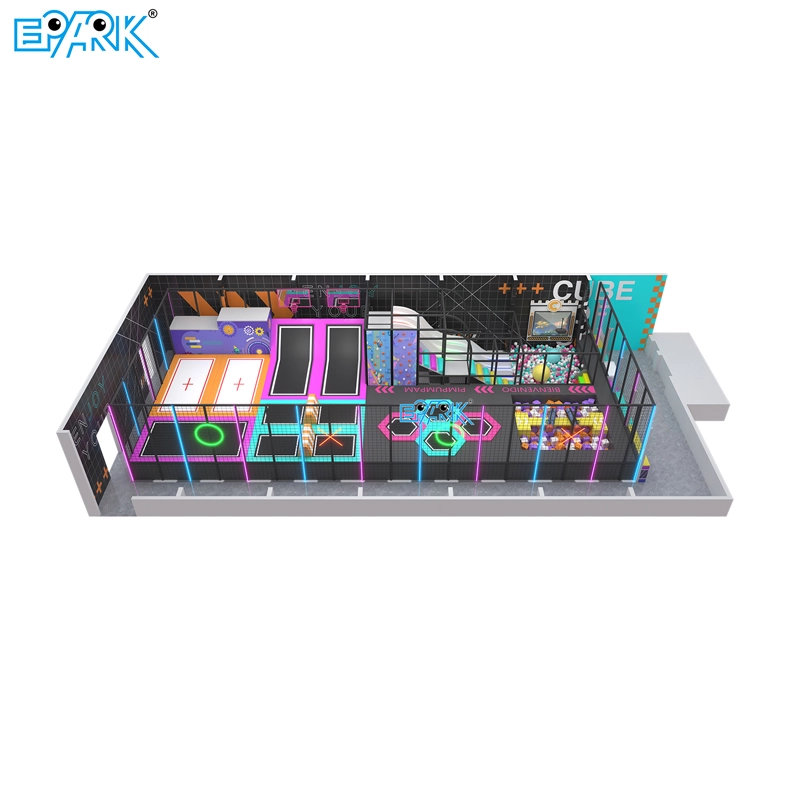
By combining different activity zones—such as ninja courses, foam pits, and a trampoline park for toddlers—operators can attract a wider audience. Families, teenagers, and even adults can all find suitable activities, which increases repeat visits and overall revenue.
Meeting Safety Standards
Safety is critical in any indoor trampoline park. Leading parks follow strict international standards such as ASTM and EN regulations.
High-quality equipment typically includes:
- Reinforced steel structures
- Anti-slip trampoline mats
- Thick edge padding
- Engineered spring systems
Choosing certified equipment reduces injury risks and improves long-term operational stability.
Maximizing Profit per Square Meter
Top-performing parks focus on space efficiency. Each zone must generate revenue while maintaining smooth customer flow.
Multi-functional attractions—like obstacle courses or interactive walls—allow multiple users at once. This increases capacity without expanding the venue size, which is key to maximizing ROI.
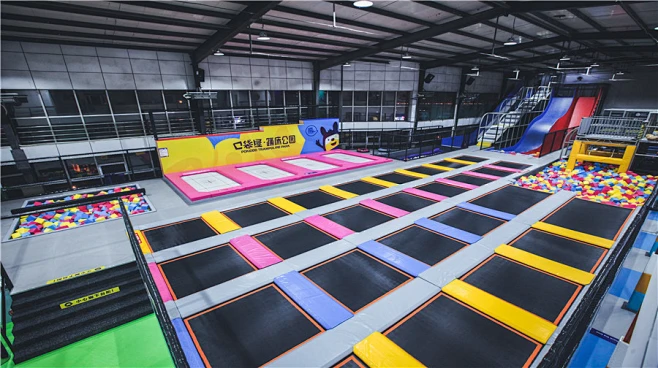
Core Equipment Used in Famous Trampoline Parks
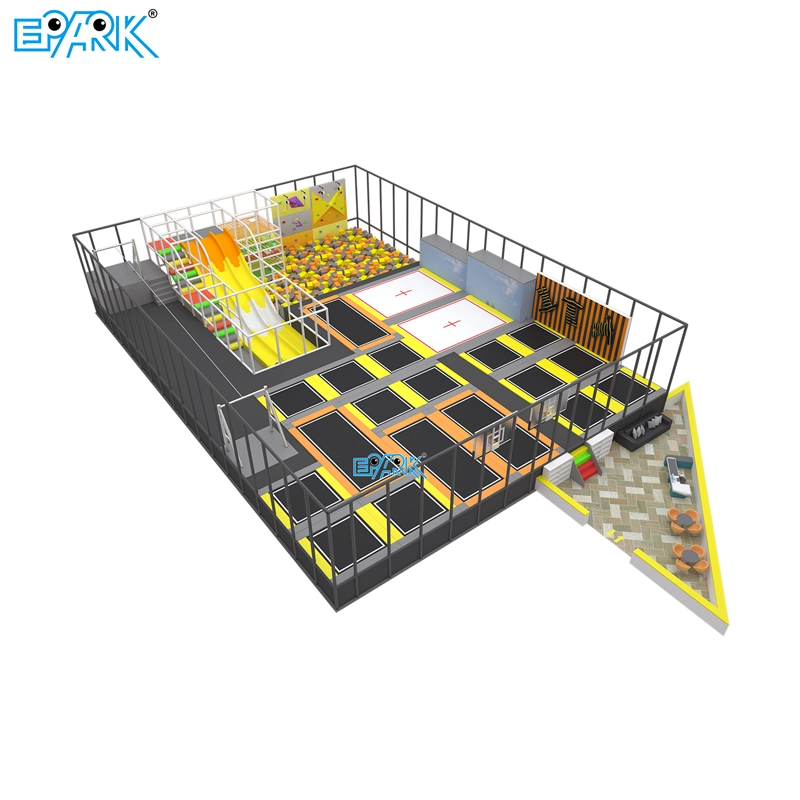
Main Trampoline Courts
The main jumping area is the heart of every trampoline park. It consists of interconnected trampolines designed for freestyle jumping.
Key features include:
- High-elastic jumping mats
- Durable steel frames
- Optimized spring systems
This zone attracts all age groups and forms the foundation of your park layout.
Internal Link Suggestion:
Explore our How much does it cost to open a Trampoline Park.
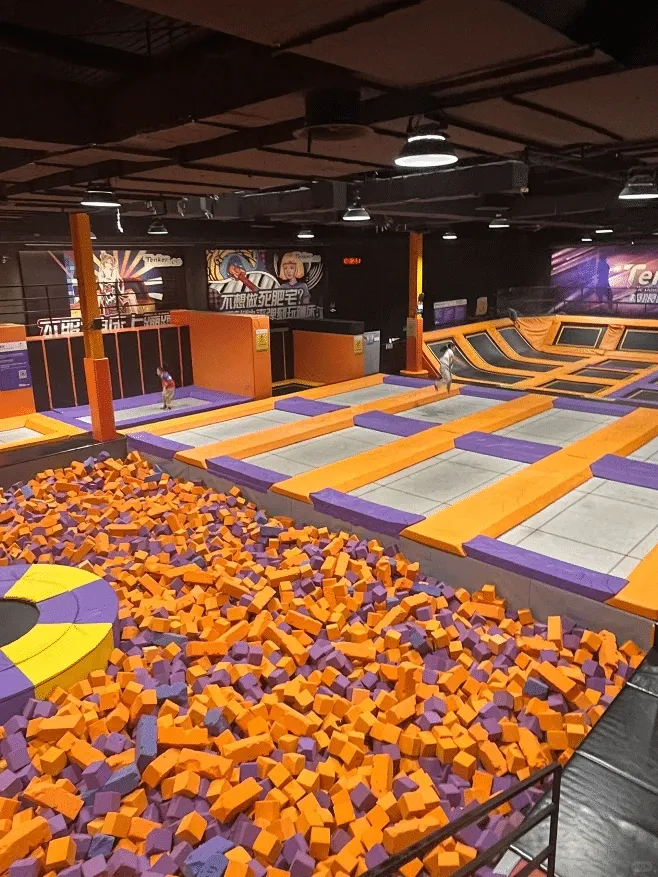
Foam Pits and Airbag Systems
Landing zones are essential for both safety and advanced play.
| Feature | Foam Pit | Airbag System |
|---|---|---|
| Maintenance | High | Low |
| Hygiene | Moderate | High |
| Durability | Medium | High |
| User Experience | Classic | Modern |
Today, many trampoline parks prefer airbags due to their low maintenance and cleaner environment.
Dodgeball Trampoline Courts
Dodgeball zones add a competitive and social element. They are especially popular in a trampoline park for kids and teenagers.
These areas are ideal for:
- Group bookings
- School events
- Corporate activities
They significantly increase customer interaction and repeat visits.
Basketball Dunk Zones
Basketball zones are one of the most engaging attractions in any indoor trampoline park.
With trampoline-assisted jumps, users can perform slam dunks safely. This area is highly shareable on social media, which helps with organic promotion.
Ninja Warrior Courses
Ninja courses are a must-have for modern trampoline parks. Inspired by global fitness trends, they attract teenagers and adults.
Typical features include:
- Climbing walls
- Rope swings
- Balance challenges
These zones add variety and position your park as more than just a trampoline park for kids.
Kids’ Zones and Toddler Areas
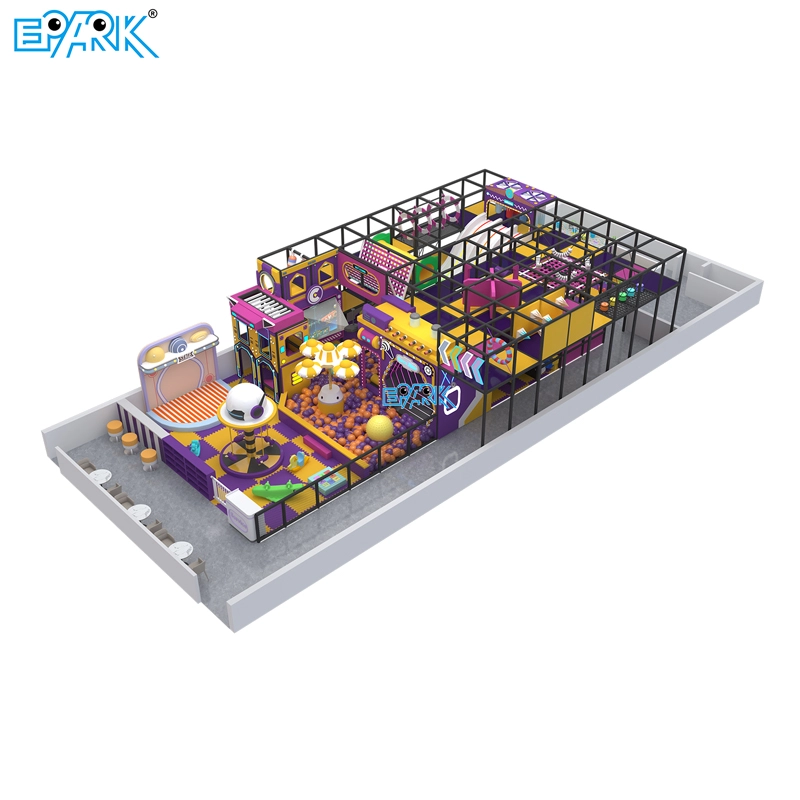
A dedicated trampoline park for toddlers is essential for family-focused businesses.
These areas usually include:
- Mini trampolines
- Soft play structures
- Ball pits
They provide a safe environment for younger children and help attract parents, increasing total customer volume.
Internal Link Suggestion:
Check our Indoor Playground Equipment for toddler-friendly solutions.
Interactive Games and Digital Attractions
Technology-driven attractions are becoming standard in high-end parks.
Examples include:
- LED interactive walls
- Motion-based games
- Digital scoring systems
These features enhance engagement and differentiate your trampoline park from competitors.
Case Study: Equipment Strategy of a Famous Trampoline Park
Overview
A leading global trampoline park brand focuses on combining safety, innovation, and family-friendly entertainment. Their parks are designed to handle high traffic while maintaining a premium experience.
Equipment Breakdown
Typical equipment includes:
- Large trampoline courts
- Airbag stunt zones
- Dodgeball courts
- Basketball dunk areas
- Ninja obstacle courses
- Dedicated toddler zones
This balanced setup ensures that both a trampoline park for toddlers and adult activity areas coexist effectively.
Why This Strategy Works
- Broad Audience Coverage
Appeals to children, teenagers, and adults - High Engagement
Multiple attractions increase stay time - Revenue Optimization
Supports events, memberships, and upselling
Key Takeaways
For B2B buyers, the lesson is clear:
A successful trampoline park requires a balanced mix of attractions, not just basic trampolines.