introduction
Indoor playgrounds have become a popular destination for families and a growing segment in the family entertainment center (FEC) industry. Designing a safe and engaging play zone requires understanding the specific needs of different age groups. By segmenting your children’s play area indoor into age-appropriate play zones, you can ensure safety, encourage development, and enhance the overall experience.
In this guide, we’ll break down the typical age groups for indoor playground equipment, discuss key design considerations for each play zone, and highlight the types of attractions that work best in each play center.
Toddler Play Zone (Ages 1–3)
The toddler play zone is specifically designed for the youngest visitors in your play center. At this age, children are developing motor skills, balance, and basic coordination, so their play zone should prioritize safety and sensory engagement.
Key features for a toddler play zone:
- Soft play area: Soft, padded flooring and foam structures are essential to prevent injuries.
- Mini slides / slides area: Small slides designed for toddlers provide safe climbing and sliding fun.
- Ball pit: Shallow ball pits allow toddlers to explore textures and develop coordination.
- Low climbing structures: Age-appropriate climbing options help develop balance and confidence.
Design considerations:
- Use bright colors and simple shapes to attract attention.
- Ensure equipment has rounded edges and secure anchoring.
- Provide low barriers or partitions to separate toddlers from older children.
By creating a dedicated toddler play zone, you enhance safety and encourage early social interaction and exploration, setting the foundation for future play zones.
 Preschool Play Zone (Ages 3–5)
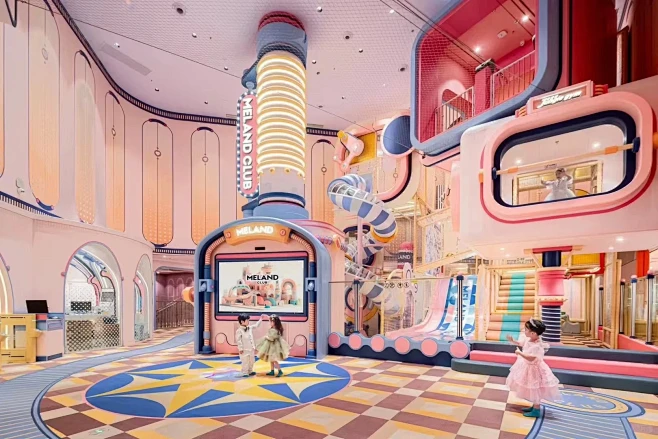
Preschool children are more adventurous and capable of exploring slightly more challenging play zones. Their play zone should promote physical activity, imagination, and social skills.
Key features for a preschool play zone:
- Soft play area: Continue using soft surfaces, but allow for slightly taller climbing structures.
- Slides / slides area: Medium-sized slides with gentle slopes encourage active play.
- Obstacle course: Low-level obstacle courses introduce problem-solving and coordination challenges.
- Ball pit: Slightly deeper ball pits accommodate group play and social interaction.
Design considerations:
- Introduce interactive panels, tunnels, and themed elements for imaginative play.
- Ensure equipment meets safety standards while allowing moderate challenges.
- Encourage group activities to help children develop teamwork skills.
A well-designed preschool play zone helps children build strength, coordination, and social awareness, preparing them for more complex play zones.
Children’s Play Zone / Indoor Playgrounds for Ages 6–12
Older children require more stimulating and physically challenging play zones. This children’s play area should cater to their growing abilities and encourage independent exploration while maintaining safety.
Key features for a children’s play zone:
- Climbing structures: Multi-level climbing walls, rope ladders, and platforms provide adventure and physical challenges.
- Slides / slides area: Larger slides, including tube slides, can excite children while promoting balance and confidence.
- Obstacle course: More complex courses incorporate climbing, jumping, and coordination challenges.
- Interactive games: Panels with puzzles, games, or coordination challenges keep older children engaged.
Design considerations:
- Ensure the layout allows visibility for staff and parents to supervise activity.
- Introduce zones that separate high-energy play from calmer activities.
- Use thematic designs to create a captivating environment that encourages imaginative play.
By segmenting your indoor playground into children’s play zones, you attract repeat visitors and maximize the play center’s appeal.
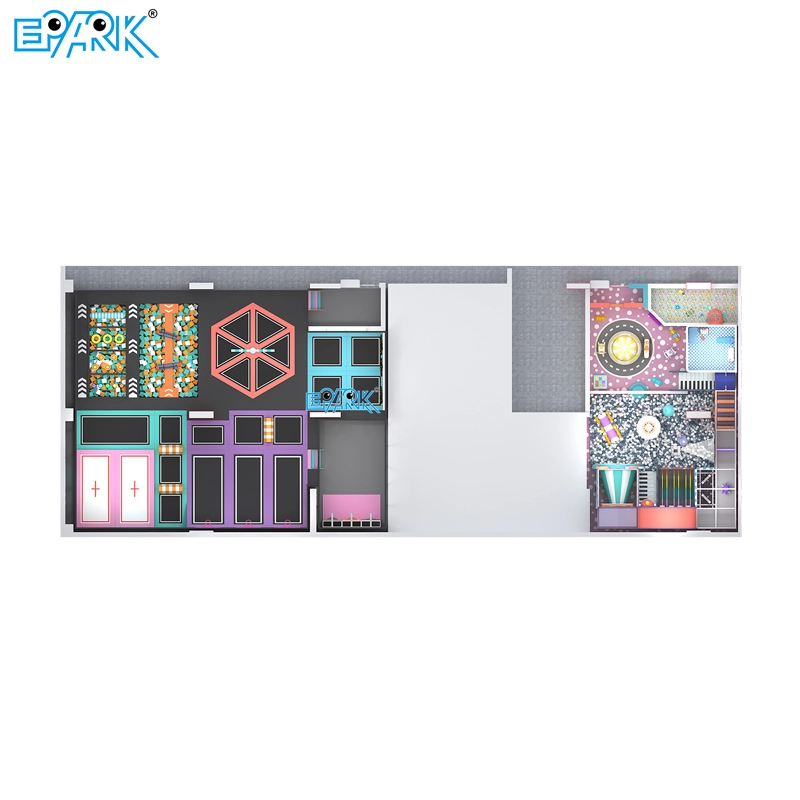
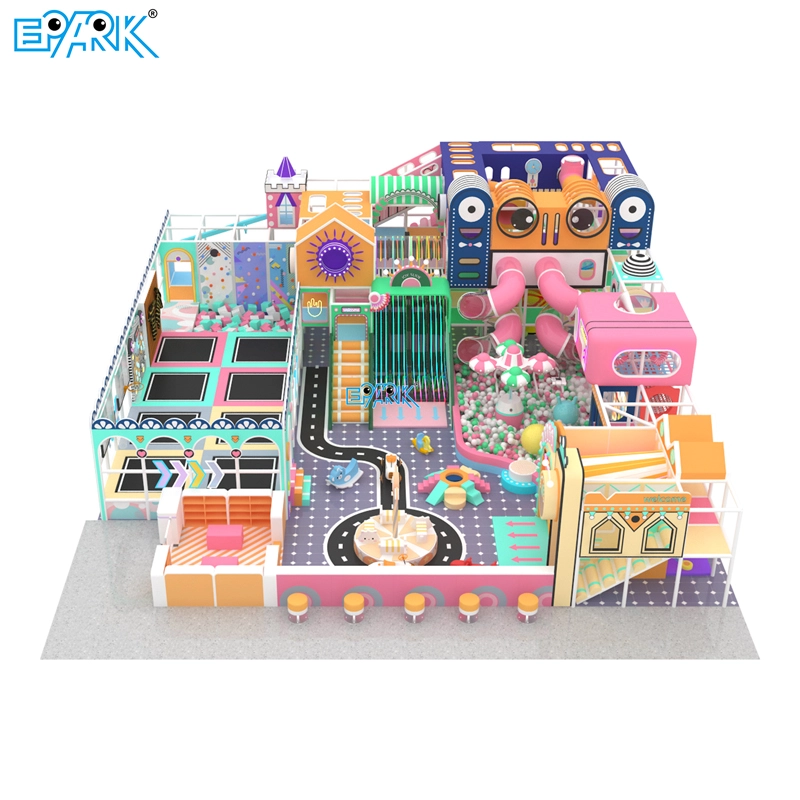
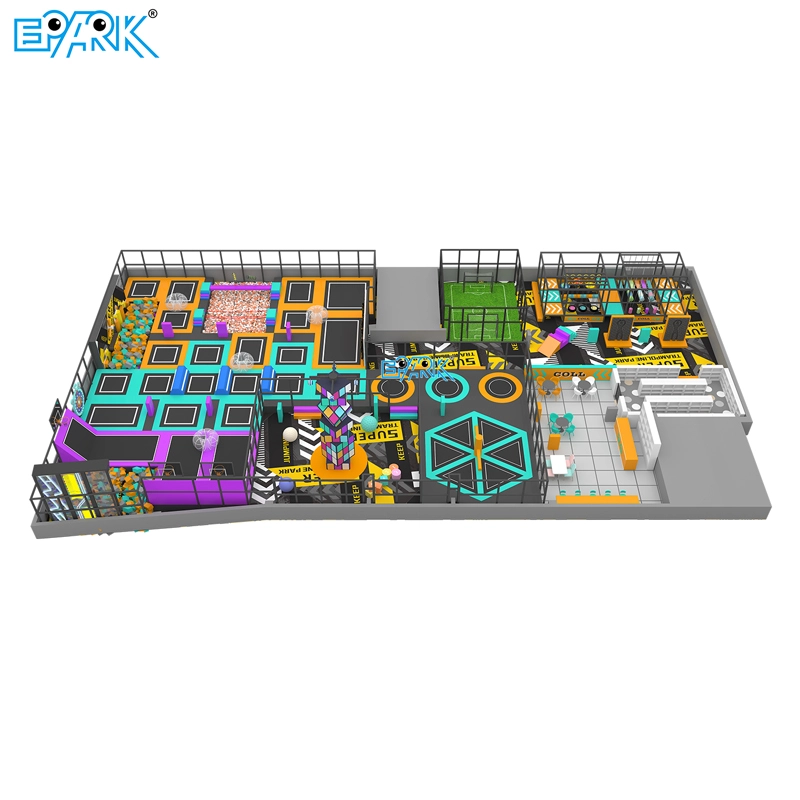
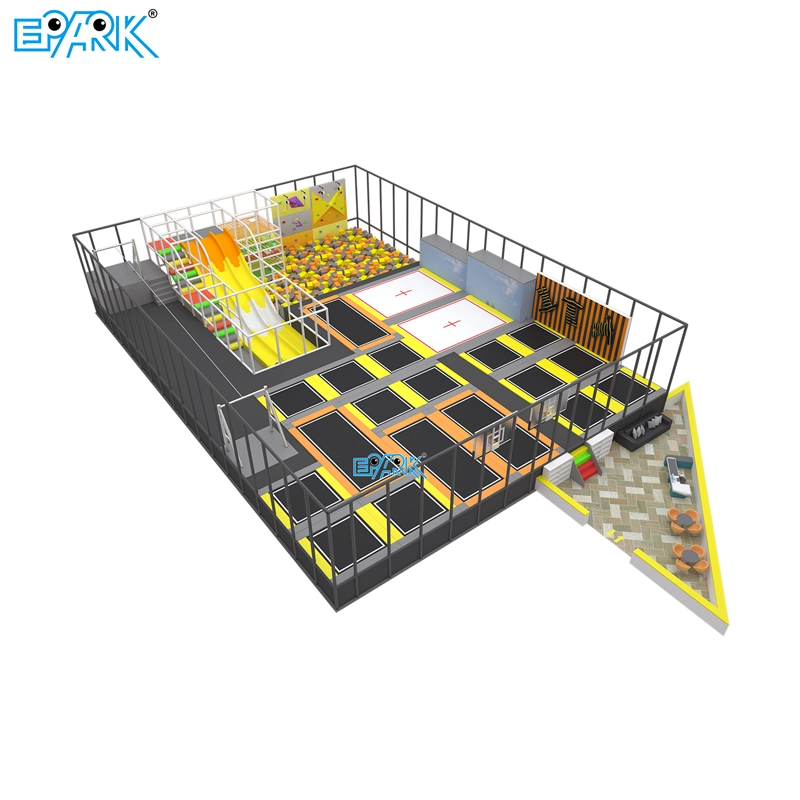
Combining Play Zones for a Complete Indoor Playground
A successful play center often combines all age-specific play zones into one cohesive space. When designing a combined area:
- Safety first: Each age group should have clearly defined boundaries to prevent accidents.
- Flow of movement: Create paths that allow children and parents to navigate smoothly between play zones.
- Visual supervision: Ensure parents or staff can monitor all areas, especially where toddlers play near older children.
- Flexible equipment: Modular structures can be adjusted as children grow or as the play zone expands.
Examples of combined equipment:
- A soft play area adjacent to a toddler climbing structure.
- Medium slides leading into a shallow ball pit for preschoolers.
- A multi-level climbing structure and obstacle course for older children, surrounded by interactive panels.
By thoughtfully combining these play zones, you create a dynamic indoor playground that caters to a wide age range, encourages longer visits, and improves customer satisfaction.
 The Role of Equipment in Development
Each play zone is not just for fun; it plays a critical role in child development:
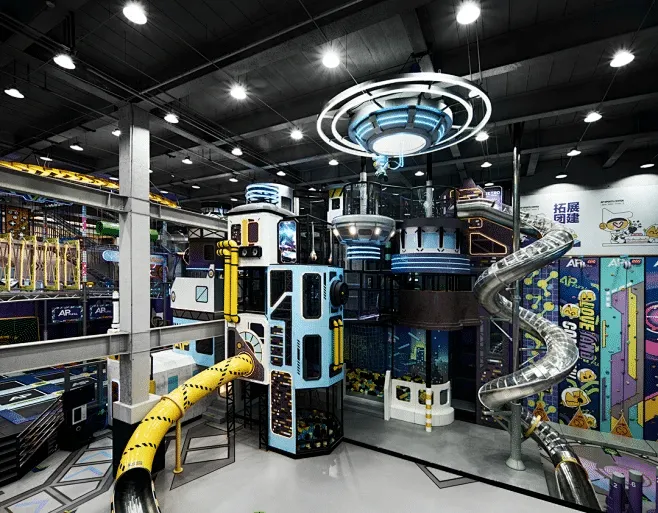
- Physical development: Climbing structures and slides help build strength, coordination, and balance.
- Cognitive growth: Obstacle courses and interactive panels encourage problem-solving and critical thinking.
- Social skills: Shared spaces like ball pits and obstacle courses promote teamwork, sharing, and communication.
- Creative play: Soft play areas and themed zones stimulate imagination and role-playing activities.
Designing an indoor playground play zone with these developmental benefits in mind ensures that children are not only entertained but also learning and growing.
Safety and Maintenance Tips for Play Zones
Maintaining a safe and enjoyable play zone is crucial:
- Regular inspections: Check climbing structures, slides, and ball pits for wear and tear.
- Sanitation: Clean soft play areas and ball pits frequently to prevent the spread of germs.
- Supervision: Ensure staff can monitor all play zones, especially high-risk areas like climbing structures.
- Age-appropriate signage: Clearly mark which play zone is suitable for which age group.
A safe and well-maintained play zone builds trust with parents and encourages repeat visits, increasing revenue and reputation.
Conclusion
Understanding the age group for inside playground equipment is fundamental to designing a successful indoor playground or play center. By segmenting the space into toddler play zone, preschool play zone, and children’s play zone, and incorporating features like soft play areas, climbing structures, slides, ball pits, and obstacle courses, you can create an engaging, safe, and developmentally appropriate environment for children.
A well-planned indoor playground play zone not only provides fun but also supports physical, cognitive, and social growth, ensuring parents and children keep coming back. Investing in thoughtfully designed play zones is key to success in the family entertainment industry.