Introduction
In today’s digital environment, children are spending more time indoors and engaging less in physical and social activities. This shift has increased the importance of safe and structured environments that support healthy growth.
An indoor play area or indoor playground is no longer just a place for entertainment. It has become an essential space that supports physical activity, cognitive development, and social interaction. Through well-designed indoor play experiences, children can learn, explore, and grow in a safe setting.
For parents, educators, and business investors, understanding the value of indoor play areas is key to making informed decisions that benefit both children and long-term business success.
What Are Indoor Play Areas?
Definition and Core Features
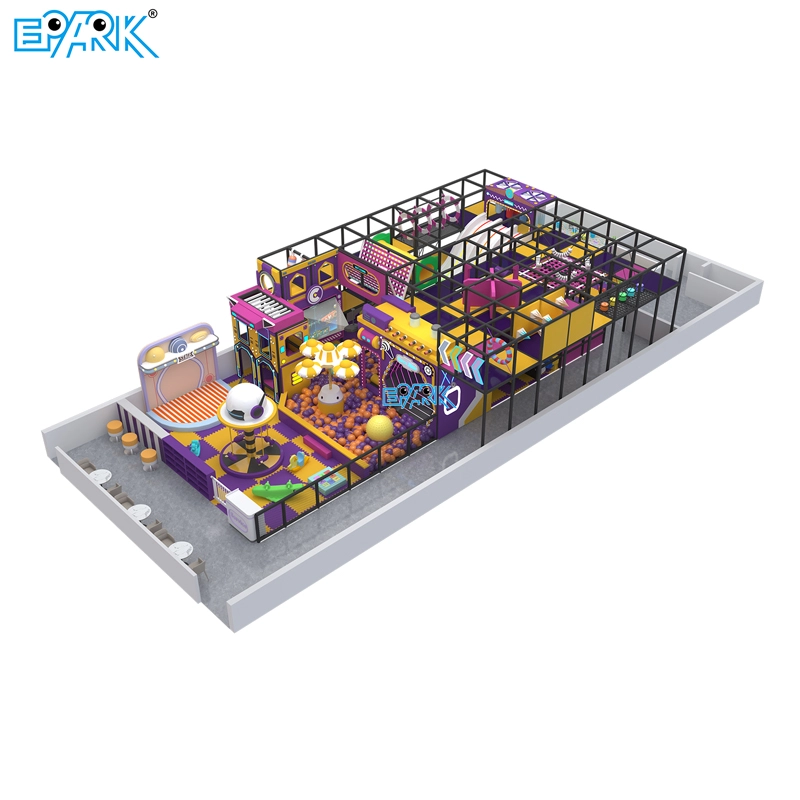
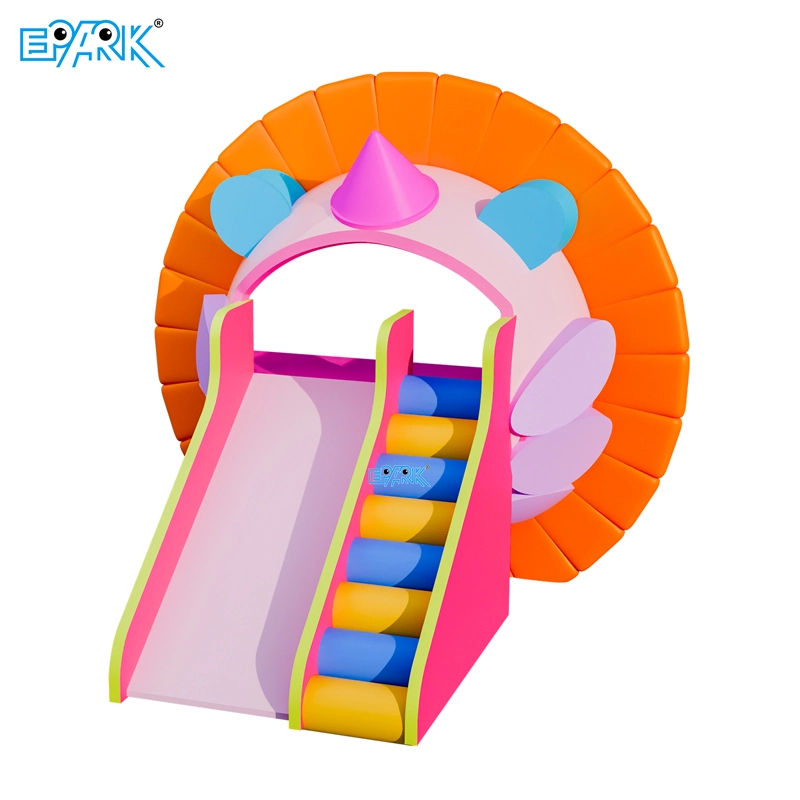
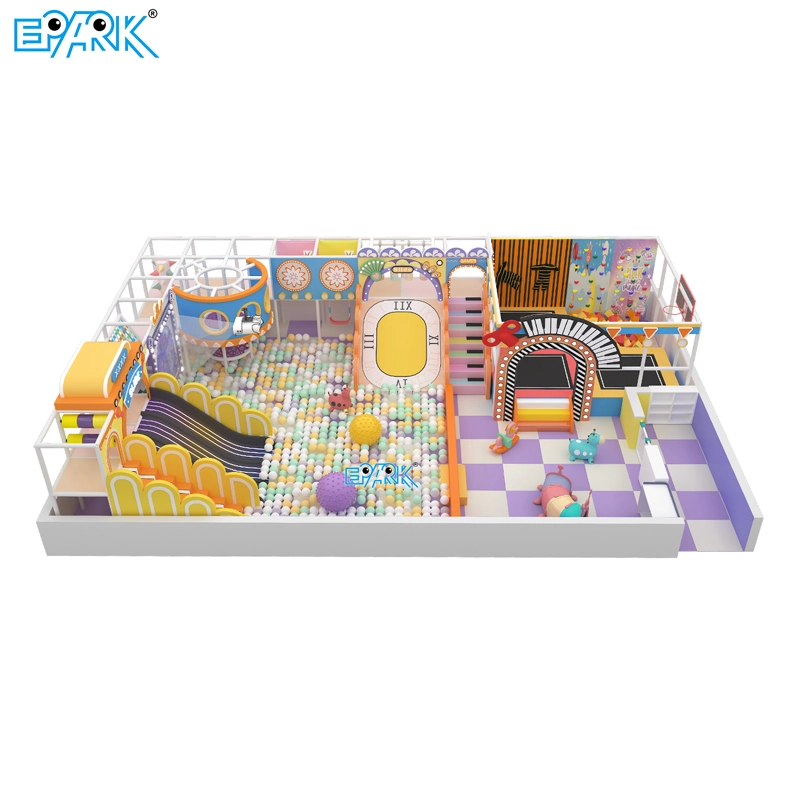
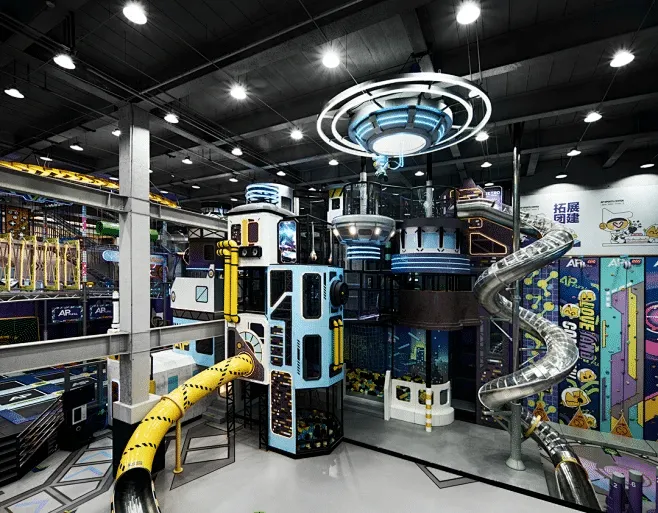
An indoor play area is a controlled environment designed for children’s play and development. It typically includes soft play equipment, climbing structures, slides, and interactive zones.
From an industry perspective, these systems are often referred to as soft contained play equipment, built using impact-absorbing materials and safety-certified structures. This ensures a balance between fun and safety.
Modern indoor playground designs focus on engagement, durability, and developmental value.
Evolution of Modern Indoor Play Spaces
Traditional play zones were limited to basic equipment. Today, indoor play areas have evolved into multi-functional environments.
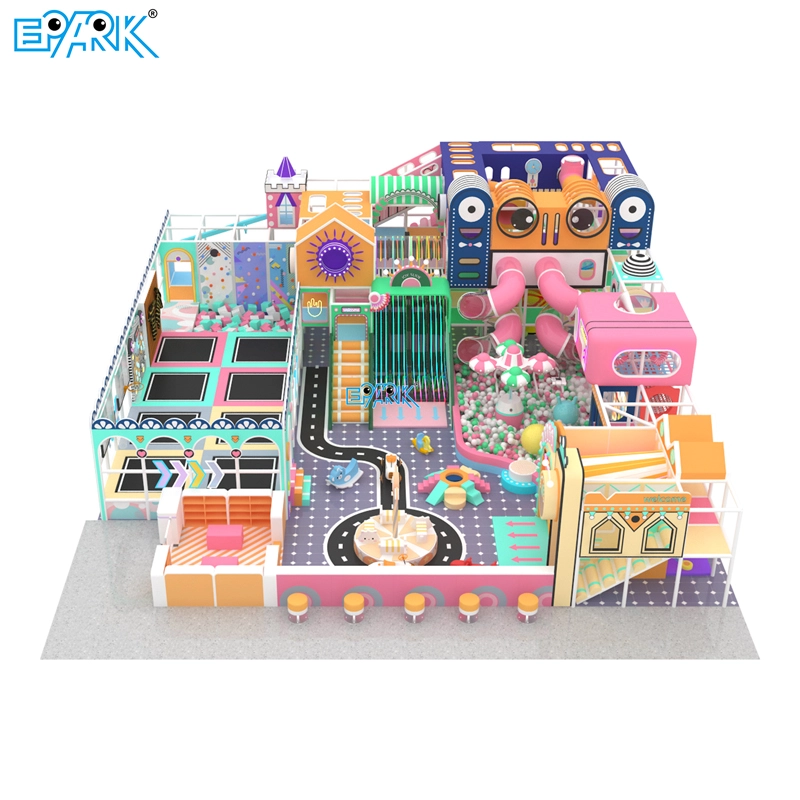
Modern indoor playground solutions include themed zones, sensory play, and interactive features. These innovations enhance engagement and provide deeper developmental benefits.
Internal Link Suggestion: Discover our custom indoor playground design solutions for different markets.
 Physical Benefits of Indoor Play Areas
Improving Motor Skills and Coordination
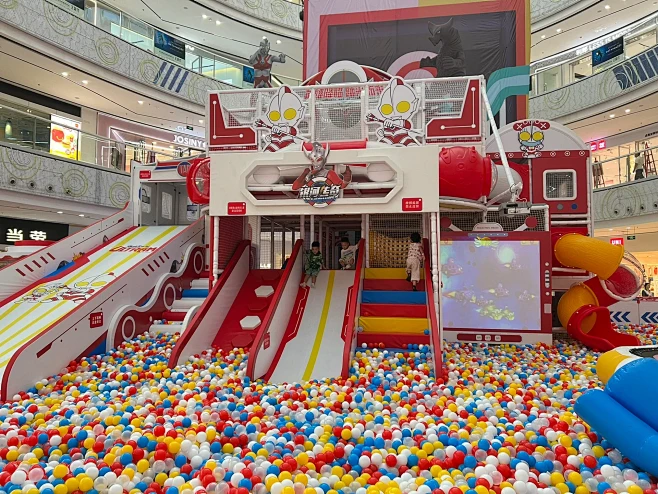
Indoor play areas are highly effective in developing motor skills. Activities such as climbing, crawling, and balancing help children strengthen coordination.
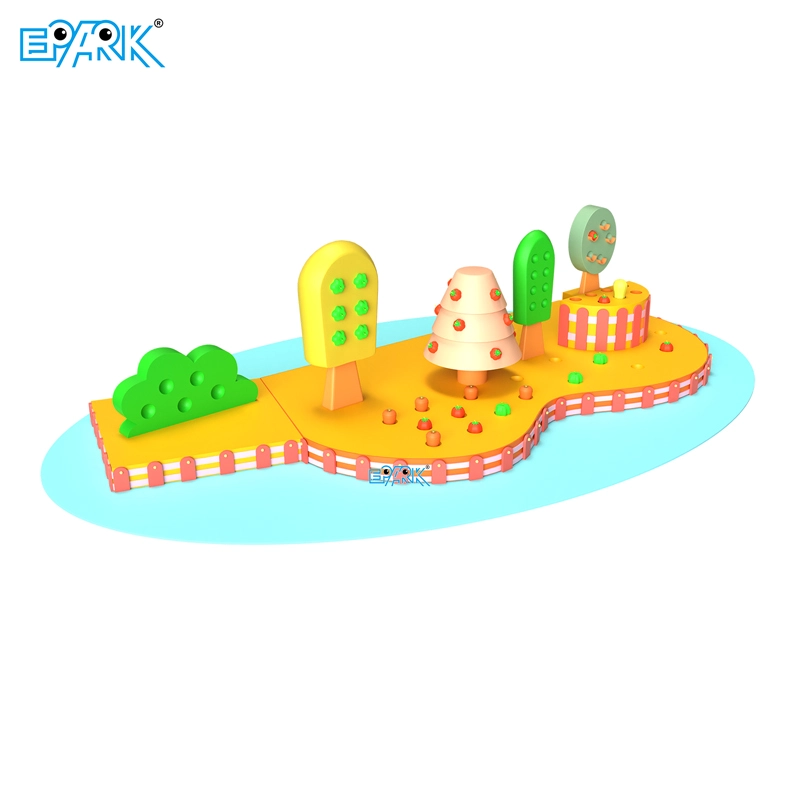
Gross motor skills are improved through large movements, while fine motor skills are enhanced through interactive play elements.
Regular participation in indoor play helps children develop better body control and spatial awareness.
Encouraging Active Lifestyles
A well-designed indoor playground encourages children to stay active in a fun and engaging way. Unlike passive screen time, indoor play promotes movement and exploration.
Health benefits include:
- Improved cardiovascular fitness
- Stronger muscles and bones
- Better flexibility and balance
Indoor play areas provide a consistent environment where children can stay active regardless of weather conditions.
Building Strength and Confidence
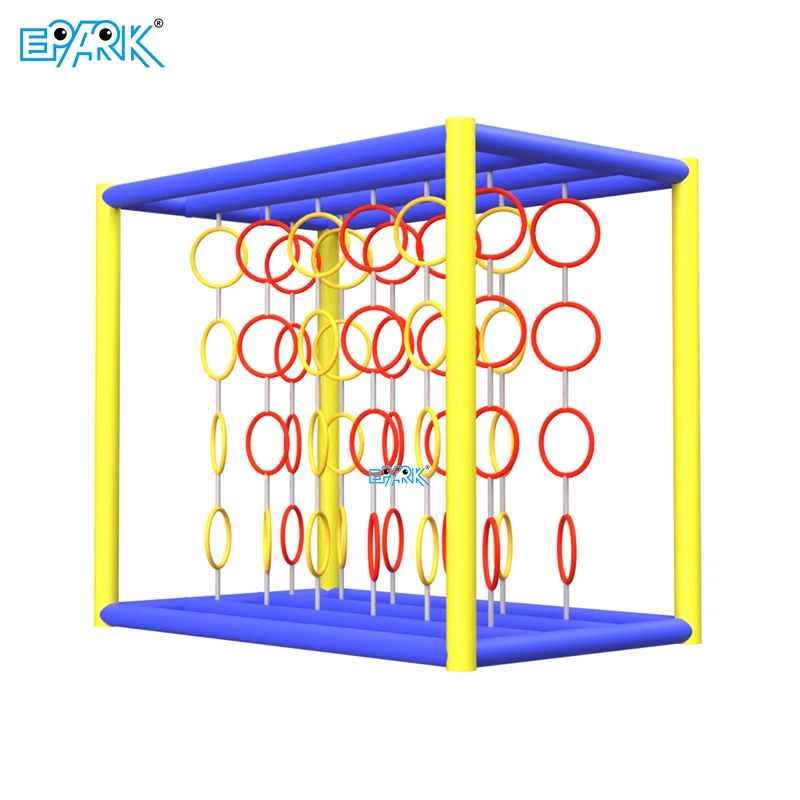
Climbing structures and obstacle courses help children build strength and endurance. These activities also improve agility and balance.
As children overcome challenges, they gain confidence. This positive reinforcement encourages them to explore new activities and develop a growth mindset.
Cognitive Benefits of Indoor Play
Boosting Creativity and Imagination
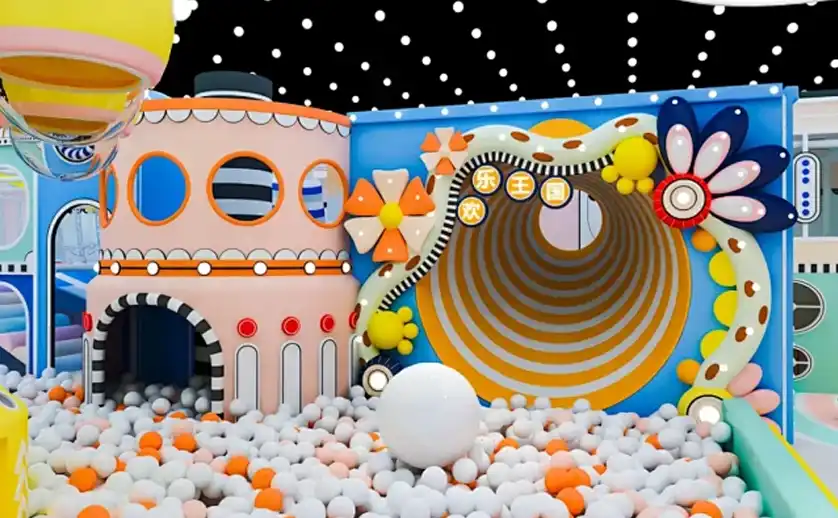
Modern indoor play environments often include themed zones that encourage imaginative play. Children can engage in role-playing activities that simulate real-life situations.
This type of indoor play supports creativity and helps children develop problem-solving skills. It also encourages independent thinking.
Supporting Learning Through Play
Play-based learning is widely recognized in early childhood education. Indoor playground environments provide hands-on experiences that enhance understanding.
Children learn concepts such as cause and effect, spatial relationships, and logical thinking through interactive play equipment.
This approach improves memory retention and increases engagement compared to traditional learning methods.
Enhancing Sensory Development
Indoor play areas often include sensory-rich features such as textures, colors, and interactive elements. These stimulate children’s senses and support brain development.
Sensory play is especially important during early childhood, as it helps build neural connections and supports cognitive growth.
 Emotional and Social Benefits
Building Confidence and Independence
An indoor play area allows children to explore independently. They can choose activities, take risks, and learn from their experiences.
Successfully completing challenges builds self-confidence and resilience. These qualities are essential for personal development.
Improving Social Skills
Indoor playgrounds create opportunities for children to interact with peers. Shared play experiences encourage communication and teamwork.
Children learn how to:
- Share and cooperate
- Take turns
- Resolve conflicts
These social skills are critical for school and future relationships.
Internal Link Suggestion: Read our blog on Top 10 Indoor Playground Equipment Manufacturers.
Supporting Emotional Well-Being
Indoor play helps children release energy and manage stress. A positive play environment contributes to emotional stability and happiness.
Regular play sessions can improve mood and reduce anxiety, especially in structured indoor environments.
Benefits for Families and Communities
Encouraging Family Interaction
Indoor play areas provide a space where families can spend quality time together. Parents can participate or supervise while children play.
This strengthens family bonds and creates meaningful shared experiences.
All-Weather Play Solution
Indoor playgrounds eliminate weather-related limitations. Children can enjoy physical activity year-round, regardless of external conditions.
This consistency is beneficial for both development and business operations.
Business and Educational Value
Enhancing Educational Environments
Schools and daycare centers benefit from integrating indoor play areas. These spaces support play-based learning and improve student engagement.
Children are more active, focused, and motivated in environments that combine learning and play.
Strong Revenue Potential
Indoor playground businesses offer multiple income streams:
| Revenue Stream | Description |
|---|---|
| Entry Fees | Daily or hourly access |
| Membership Plans | Recurring revenue |
| Events | Birthday parties and group use |
| Food & Retail | Additional income sources |
This diversified model supports long-term profitability.
Flexible a nd Custom Solutions
Indoor play areas can be customized for different industries, including malls, schools, and family entertainment centers.
Internal Link Suggestion: Explore our one-stop indoor playground solutions for turnkey projects.
Key Design Elements for Effective Indoor Play Areas
Safety Standards and Certifications
Safety is essential in any indoor playground project. Equipment must meet international standards:
| Standard | Region | Focus Area |
|---|---|---|
| ASTM F1918 | USA | Soft play safety |
| EN 1176 | Europe | Playground safety |
| ISO 9001 | Global | Quality management |
Using certified materials ensures safety and long-term durability.
Age-Based Zoning
Dividing play areas by age group improves safety and user experience. Toddlers require softer and simpler equipment, while older children need more challenging features.
Multi-Functional Play Equipment
Modern indoor playground equipment combines physical, cognitive, and social elements. This maximizes engagement and developmental value.
 Conclusion
Indoor play areas play a critical role in supporting children’s development. They provide a balanced environment that promotes physical health, cognitive growth, and social interaction.
For parents, choosing an indoor playground is an investment in their child’s future. For schools and businesses, it is a strategic decision that enhances engagement and long-term value.
Encouraging children to participate in indoor play regularly leads to healthier, happier, and more well-rounded individuals.
Call to Action
Ready to build a high-quality indoor play area or indoor playground?
Contact us today for a custom indoor playground solution
Get expert support from design to installation
Start your project and grow your business now