Introduc tion
In today’s digital age, children are spending more time on screens and less time being physically active. This shift has made parents and educators increasingly concerned about children’s health and development. As a result, the role of the indoor playground has evolved significantly.
Modern indoor playgrounds are no longer just entertainment venues. They are carefully designed environments that combine physical activity, cognitive development, and social interaction. For families, they provide a safe and engaging place for children to grow. For investors and operators, they represent a scalable and profitable business opportunity.
If you are planning to invest in an indoor playground business, understanding these new trends is essential for long-term success.
The Evolution of Indoor Playgrounds
From Simple Play Areas to Experience Centers
Traditional indoor playground setups mainly focused on slides, ball pits, and basic climbing structures. While these features provided fun, they lacked deeper developmental value.
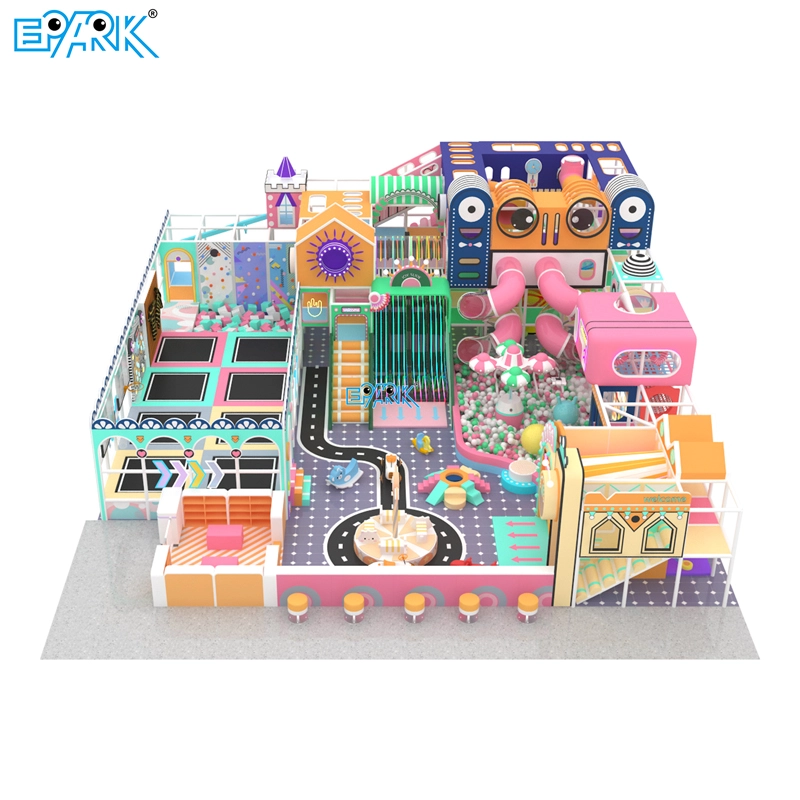
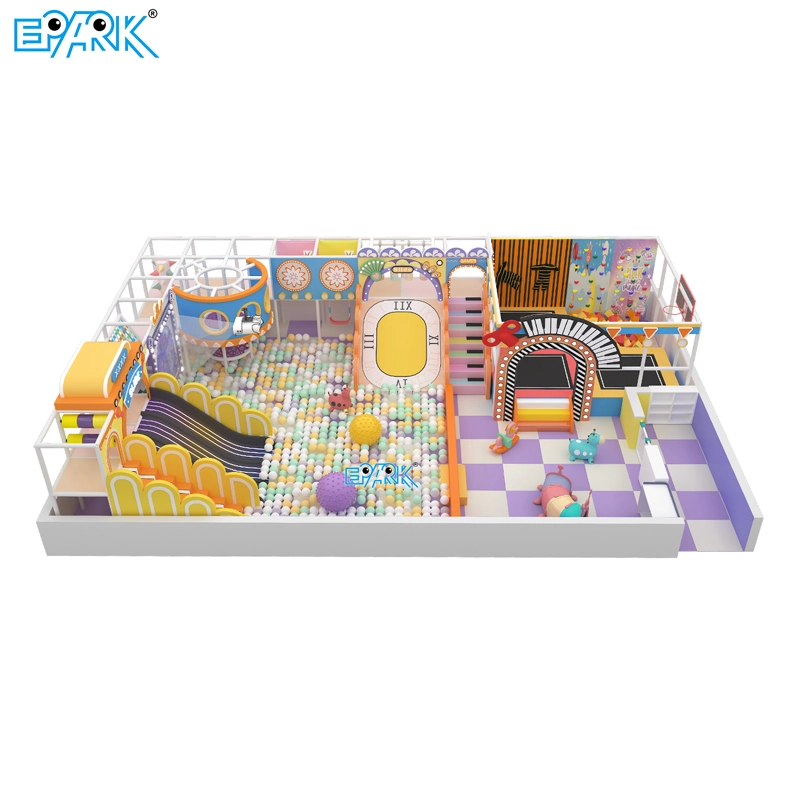
Today’s indoor playground is designed as an experience center. It integrates storytelling, themed zones, and interactive elements that encourage children to explore and learn while playing.
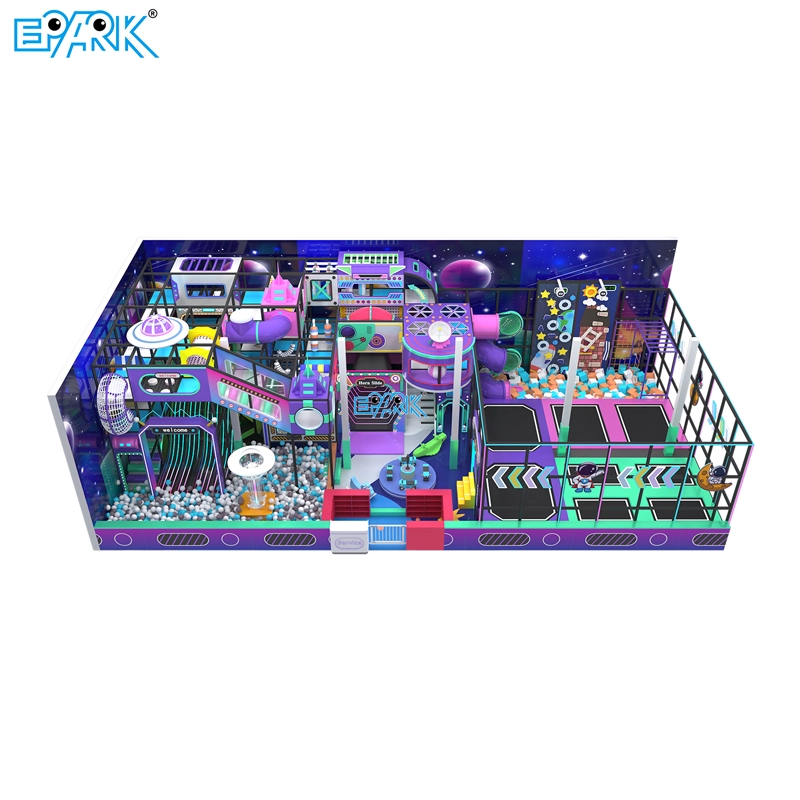
For example, themed play zones such as jungle adventures or space exploration areas create immersive experiences. These designs increase engagement and encourage repeat visits, which is critical for business growth.
Internal Link Suggestion: How Many Square Meters Does Your Indoor Playground Need?
Integration of Technology and Interactive Play
Technology has become an essential component of modern indoor playground equipment. Interactive projection games, motion-sensing walls, and digital play systems create a hybrid experience that blends physical and digital play.
These features not only attract children but also appeal to parents looking for educational value. From a business perspective, this enhances customer retention and increases overall revenue potential.
 Physical Benefits of Indoor Playgrounds for Children
Improving Motor Skills and Coordination
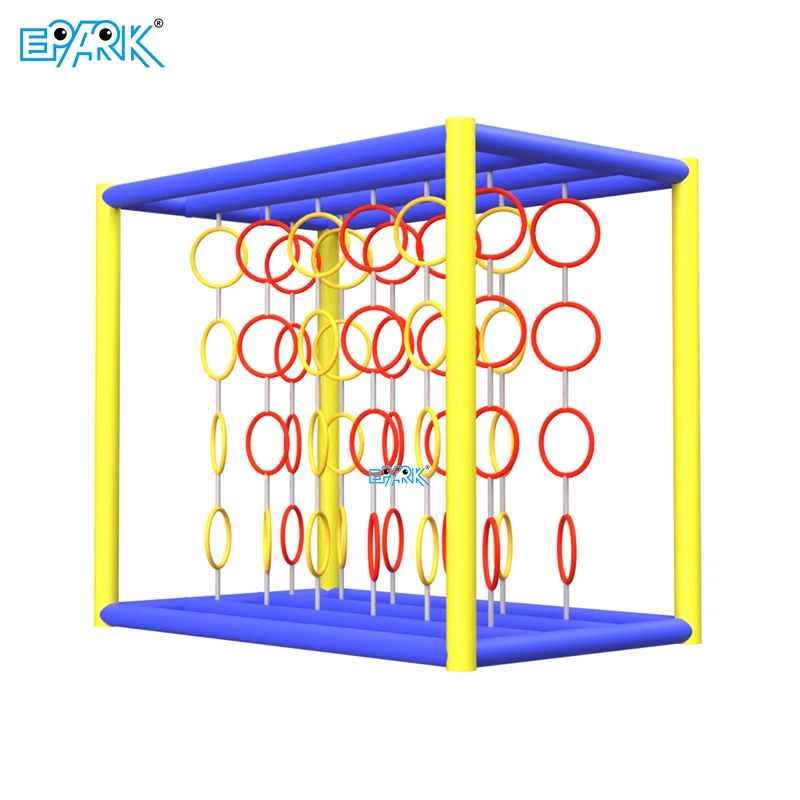
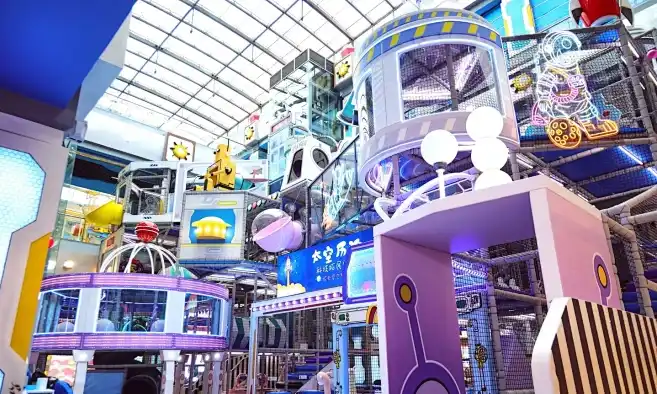
A well-designed indoor playground includes equipment such as climbing walls, rope courses, and obstacle tracks. These elements help children develop both fine and gross motor skills.
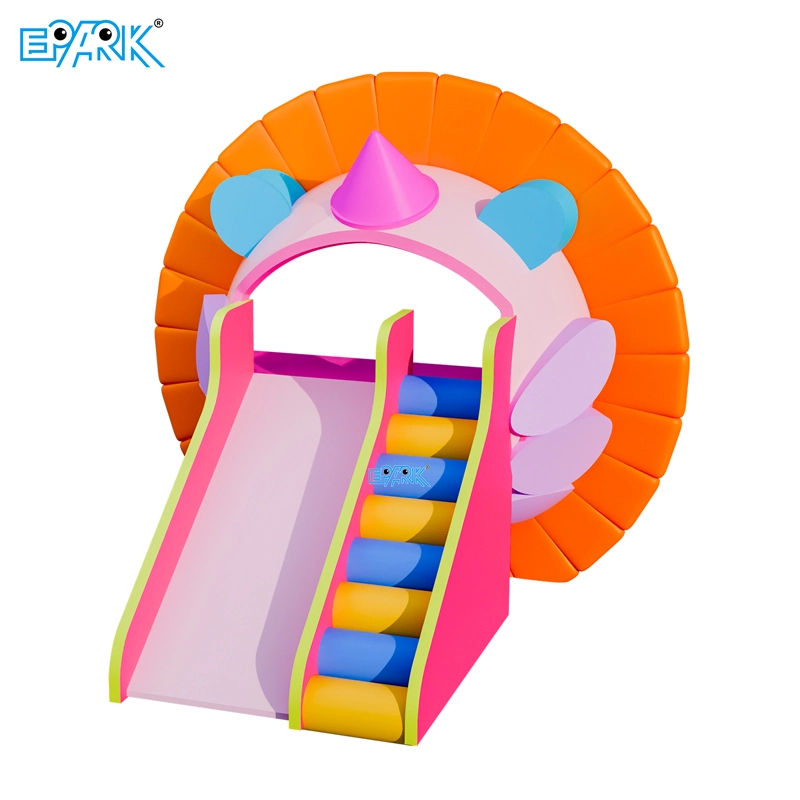
Activities like climbing and balancing improve coordination, strength, and spatial awareness. For toddlers, soft play areas provide a safe space to practice movement and build confidence.
Encouraging Active and Healthy Lifestyles
Indoor playgrounds play a vital role in promoting physical activity. Unlike traditional exercise, play-based movement feels natural and enjoyable for children.
Key health benefits include:
- Improved cardiovascular fitness
- Stronger muscles and bones
- Better flexibility and balance
By encouraging regular activity, indoor playground environments help reduce the risks associated with sedentary lifestyles.
Cognitive and Emotional Development Through Play
Enhancing Creativity and Imagination
Modern indoor playground designs often include role-play zones, interactive games, and themed environments. These features stimulate creativity and allow children to explore different scenarios.
For instance, pretend-play areas like mini cities or supermarkets encourage problem-solving and imaginative thinking. This type of play is essential for cognitive development.
Building Confidence and Independence
Children naturally face challenges while playing in an indoor playground. Whether climbing higher or navigating obstacles, these activities build confidence.
Over time, children develop independence and resilience. They learn how to make decisions, overcome fears, and adapt to new situations—skills that are crucial for personal growth.
Social Interaction and Communication Skills
Encouraging Teamwork and Social Play
Indoor playground environments are designed to promote interaction. Group play areas encourage children to communicate, share, and collaborate.
Through these activities, children develop:
- Communication skills
- Teamwork abilities
- Emotional intelligence
These social skills are essential for success in both school and life.
Inclusive Play for All Children
A modern indoor playground is often designed with inclusivity in mind. Equipment can accommodate children of different ages and abilities, ensuring that everyone can participate.
Inclusive design not only improves user experience but also expands the customer base for business owners.
Internal Link Suggestion: How to Start an Indoor Playground Business?
 Benefits of Indoor Playgrounds for Adults and Families
A Space for Relaxation and Family Bonding
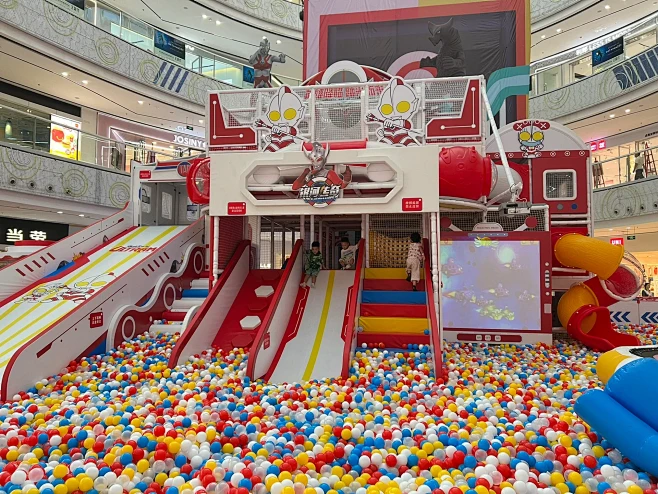
Indoor playgrounds are not just for children. They provide a comfortable environment where parents can relax while their kids play safely.
Many facilities include seating areas, cafés, and Wi-Fi, enhancing the overall experience for families.
Fitness and Stress Relief for Adults
Some modern indoor playgrounds include fitness zones, climbing walls, and obstacle courses designed for adults. These features allow parents to stay active while spending quality time with their children.
This trend not only improves customer satisfaction but also increases the overall value of the facility.
Business Value of Indoor Playground Investment
Multiple Revenue Streams
An indoor playground business offers diverse income opportunities. Below is a typical revenue model:
| Revenue Stream | Description |
|---|---|
| Entry Fees | Standard ticket sales |
| Membership Plans | Recurring revenue model |
| Birthday Parties | High-margin event packages |
| Food & Beverage | Additional on-site income |
| Retail Sales | Toys and merchandise |
This diversified structure ensures stable and scalable revenue.
Market Differentiation and Competitive Advantage
A modern indoor playground stands out by offering unique experiences. Custom design, high-quality equipment, and strong branding help attract and retain customers.
Operators who invest in innovation and user experience are more likely to succeed in competitive markets.
Key Features of a High-Quality Indoor Playground
Advanced Play Equipment
Modern indoor playground equipment includes:
- Rope courses
- Ninja obstacle tracks
- Interactive climbing walls
These features enhance engagement and increase customer satisfaction.
Safety Standards and Certifications
Safety is critical in any indoor playground project. High-quality equipment should comply with international standards:
| Standard | Region | Focus Area |
|---|---|---|
| ASTM F1918 | USA | Soft play safety |
| EN 1176 | Europe | Playground equipment safety |
| ISO 9001 | Global | Quality management systems |
Choosing certified suppliers ensures long-term reliability and trust.
Custom Design and One-Stop Solutions
Every indoor playground project is unique. Customization allows operators to optimize space, target audience, and business goals.
A professional supplier should offer:
- Concept planning
- Equipment production
- Installation and after-sales support
Internal Link Suggestion: OEM & ODM Playground Solutions.
Conclusion
Modern indoor playgrounds have transformed into multifunctional spaces that support children’s development in every aspect. From physical fitness to cognitive growth and social interaction, their value goes far beyond simple entertainment.
For parents, choosing the right indoor playground means investing in their child’s future. For investors and operators, it represents a high-demand business with strong growth potential.
As the industry continues to evolve, focusing on quality, safety, and innovation will be the key to long-term success.