Table of Contents
Introduction
Early childhood is a crucial stage in human development, where physical growth, emotional stability, and cognitive abilities develop rapidly. During this period, play is not just entertainment—it is a key learning mechanism that shapes how children interact with the world.
Among all early learning tools, soft play toys and soft play systems in indoor playground environments have become one of the most effective developmental solutions. Unlike traditional play structures, they provide a safe, structured, and highly interactive environment for toddlers and young children.
Modern parents and indoor playground operators increasingly choose soft play equipment because it combines safety, education, and entertainment. It also supports multiple development areas such as movement skills, sensory learning, and social interaction.
Related reading: Toddlers Soft Play Benefits for Indoor Playground and FEC Projects
What Are Soft Play Toys?
Definition and Core Concept
Soft play toys are specially designed play structures made from soft materials such as EVA foam, PU leather, and high-density sponge. They are widely used in indoor playground systems, daycare centers, and family entertainment centers (FECs).
The main purpose of soft play is to create a safe exploration environment where children can climb, crawl, jump, and interact without risk of injury. Unlike metal or hard plastic playground equipment, soft play focuses on safety-first engineering.
Common Soft Play Equipment Types
Soft play systems include a wide range of interactive structures:
| Equipment Type | Function | Development Focus |
|---|---|---|
| Soft Blocks | Building & stacking | Creativity & motor skills |
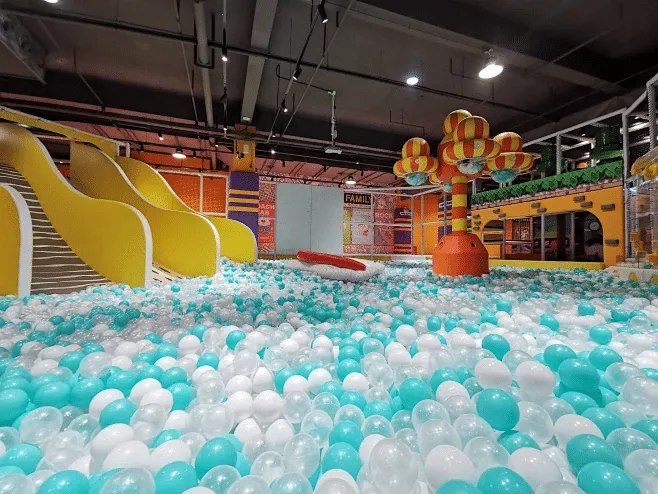
| Ball Pit (Soft Play Ball Pool) | Sensory exploration | Sensory development |
| Soft Slides | Safe sliding movement | Balance & coordination |
| Crawling Tunnels | Movement navigation | Spatial awareness |
| Foam Climbing Structures | Physical challenge | Strength & confidence |
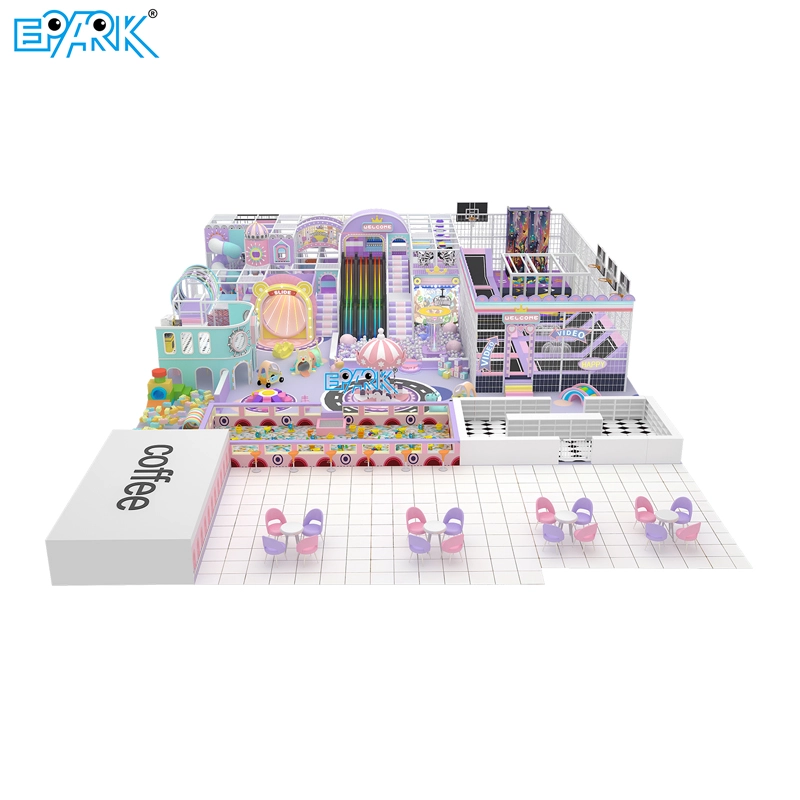
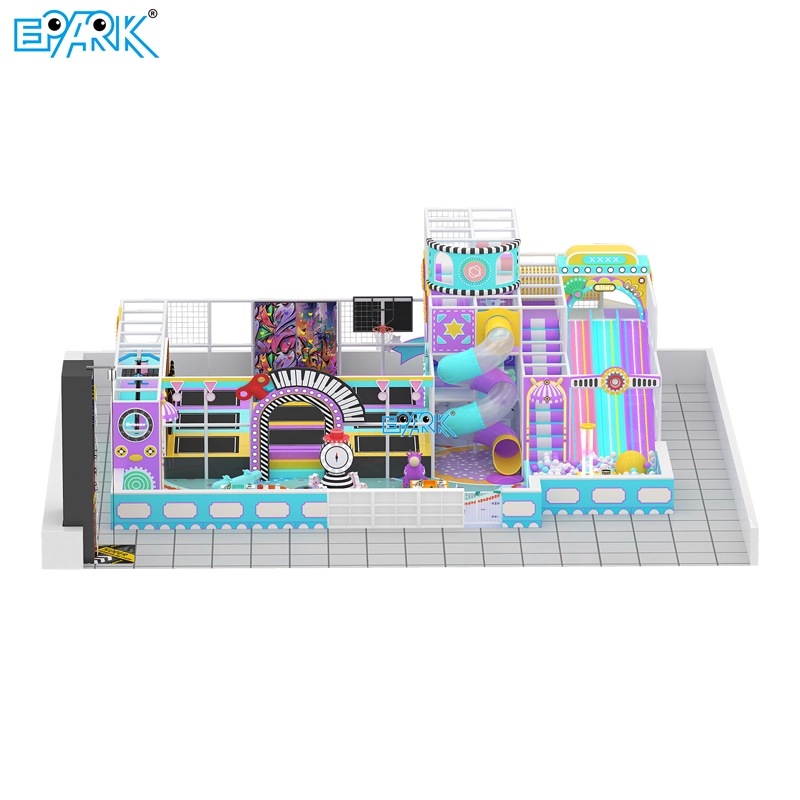
These elements are commonly found in modern indoor playground equipment designs, especially in commercial entertainment spaces.
Internal link: Explore Soft Play Equipment
 Why Soft Play Toys Are Important for Early Childhood Development
Physical Development Benefits
One of the biggest advantages of soft play toys is physical development. Activities such as climbing, crawling, and sliding help strengthen core muscles and improve coordination.
In an indoor playground environment, children naturally engage in full-body movement. This improves:
- Gross motor skills
- Balance and posture control
- Muscle strength and flexibility
Compared to screen-based activities, soft play provides active physical engagement, which is essential for healthy growth.
Cognitive Development Through Soft Play
Soft play systems also contribute significantly to cognitive development. When children interact with obstacle courses or ball pits, they are constantly solving small challenges.
For example:
- Choosing how to climb a foam structure improves decision-making
- Navigating tunnels enhances spatial awareness
- Building with soft blocks encourages logical thinking
These experiences build early problem-solving skills that support future academic learning.
Emotional and Psychological Growth
Soft play environments are designed to create a stress-free experience. Children can explore freely without fear of injury, which helps build emotional confidence.
Key psychological benefits include:
- Increased self-confidence
- Reduced anxiety during exploration
- Improved emotional regulation
- Sense of achievement after completing challenges
A well-designed indoor soft play area helps children gradually develop independence and resilience.
Social Skills Development
Soft play is often shared, making it ideal for developing social interaction skills. In group environments, children learn to communicate and cooperate naturally.
Common social benefits include:
- Sharing and turn-taking
- Teamwork in group activities
- Communication improvement
- Early friendship building
This is especially important in preschool and kindergarten environments where social learning is a core objective.
Soft Play vs Traditional Playground Equipment
Many parents and investors compare soft play systems with traditional outdoor playgrounds. The differences are significant in terms of safety and usability.
| Feature | Soft Play Toys (Indoor Playground) | Traditional Playground |
|---|---|---|
| Material | Foam, PVC, soft padding | Metal, wood, plastic |
| Safety Level | Very high | Medium–low |
| Age Suitability | 1–8 years | 5+ years |
| Environment | Indoor controlled space | Outdoor exposed |
| Maintenance | Low | Medium–high |
From a safety and design perspective, soft play clearly offers a more controlled and child-friendly environment.
Age-Based Guide for Soft Play Selection
Different age groups require different types of soft play equipment to maximize development.
1–3 Years Old (Toddlers)
At this stage, children are just beginning to explore movement. The focus is on safety and sensory stimulation.
Recommended equipment:
- Soft blocks
- Small crawling tunnels
- Mini ball pit (soft play ball pool)
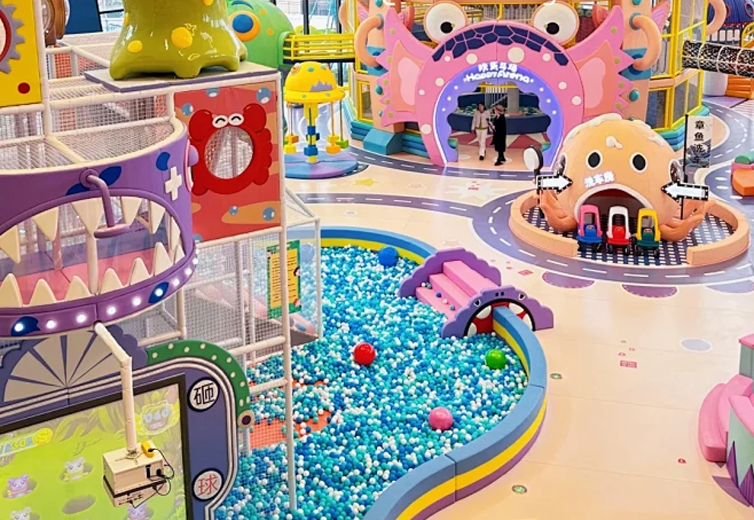
Ball pits are especially effective for sensory development, helping toddlers understand texture, movement, and spatial awareness.
3–5 Years Old (Preschoolers)
This age group is more active and social. They benefit from more structured indoor playground soft play systems.
Recommended equipment:
- Soft slides
- Medium obstacle courses
- Interactive climbing zones
At this stage, soft play helps improve coordination and early teamwork behavior.
5–8 Years Old (Early School Age)
Older children need more challenging structures to stay engaged.
Recommended equipment:
- Large climbing systems
- Themed soft play zones
- Advanced obstacle courses
These setups improve strength, endurance, and problem-solving abilities.
 Why Soft Play Is Important for Commercial Indoor Playgrounds
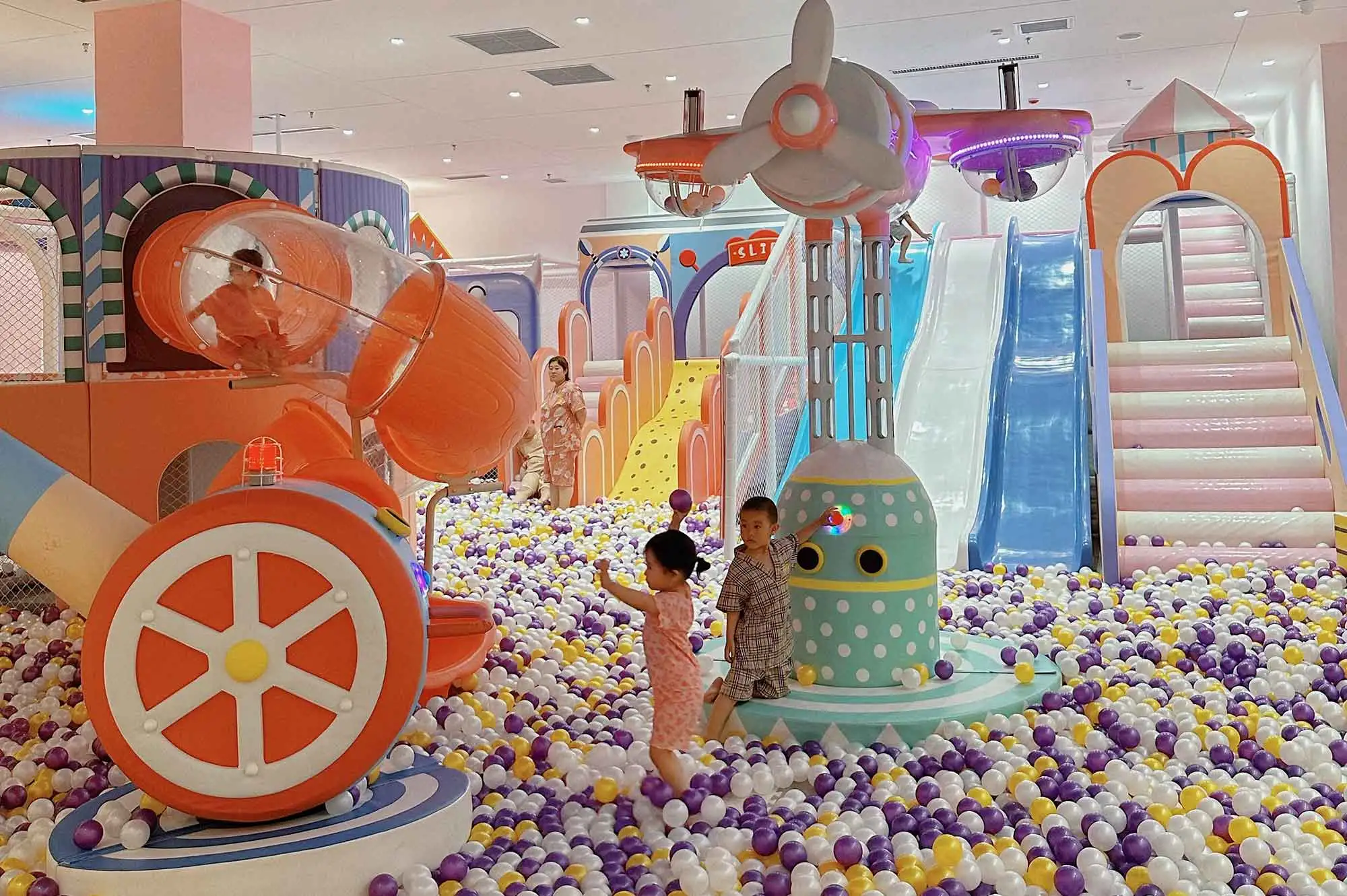
From a business perspective, soft play equipment plays a major role in modern indoor playground projects and family entertainment centers (FECs).
Key commercial advantages include:
- Increased customer dwell time
- Higher repeat visitation rates
- Strong family engagement
- Low operational maintenance cost
- High ROI for entertainment businesses
Soft play areas are often the core attraction in shopping malls and indoor playground businesses because they attract families with young children.
Internal link: Custom Indoor Playground Solutions
Key Factors When Choosing Soft Play Equipment
When investing in a soft play indoor playground system, quality and safety should always come first.
Important factors include:
- Safety certifications (EN71 / ASTM compliance)
- High-density foam durability
- Custom design capability
- Easy installation and maintenance
- Manufacturer experience and project support
A professional supplier ensures both safety performance and long-term commercial success.
Conclusion
Soft play toys are not just entertainment tools—they are essential developmental systems for early childhood growth. Within a safe indoor playground environment, they support physical, cognitive, emotional, and social development in a structured way.
From a parenting perspective, soft play encourages healthy and active growth. From a business perspective, it provides a stable and profitable investment model for indoor entertainment projects.
As modern families and commercial operators continue to prioritize safety and learning, soft play systems will remain a core component of the global indoor playground industry.
Call to Action
Looking to build a high-quality indoor playground or soft play project?
We are a 14-year experienced manufacturer of soft play equipment and indoor playground systems, providing complete turnkey solutions worldwide.
We offer:
- Custom soft play design
- Indoor playground layout planning
- Full production & quality control
- Global installation support
Contact us today for a free design proposal and quotation within 24 hours.
Build a safe, engaging, and profitable soft play indoor playground system with a trusted factory partner.